Finnish clean technology company Hycamite has joined a €17 million research programme aimed at developing the next generation of fossil-free steel production. The three-year Future Sustainable Electric Steel Mill (FutSteel) project is led by the University of Oulu in partnership with Nordic steel producer SSAB and brings together leading industrial companies and research organisations.
The initiative seeks to replace conventional blast furnace production with electricity- and hydrogen-based steelmaking technologies. The long-term objective is to significantly reduce carbon emissions from an industry that currently accounts for around seven per cent of global greenhouse gas emissions.
Methane-based hydrogen could reduce costs
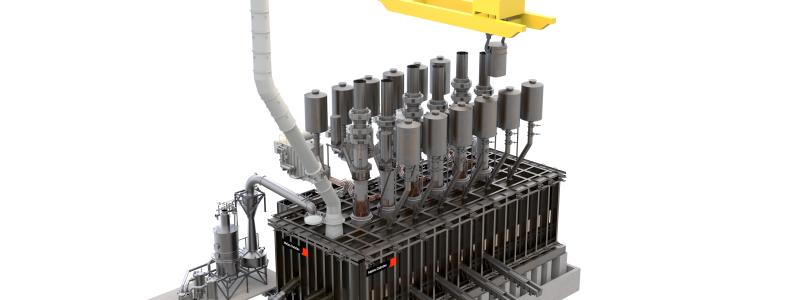
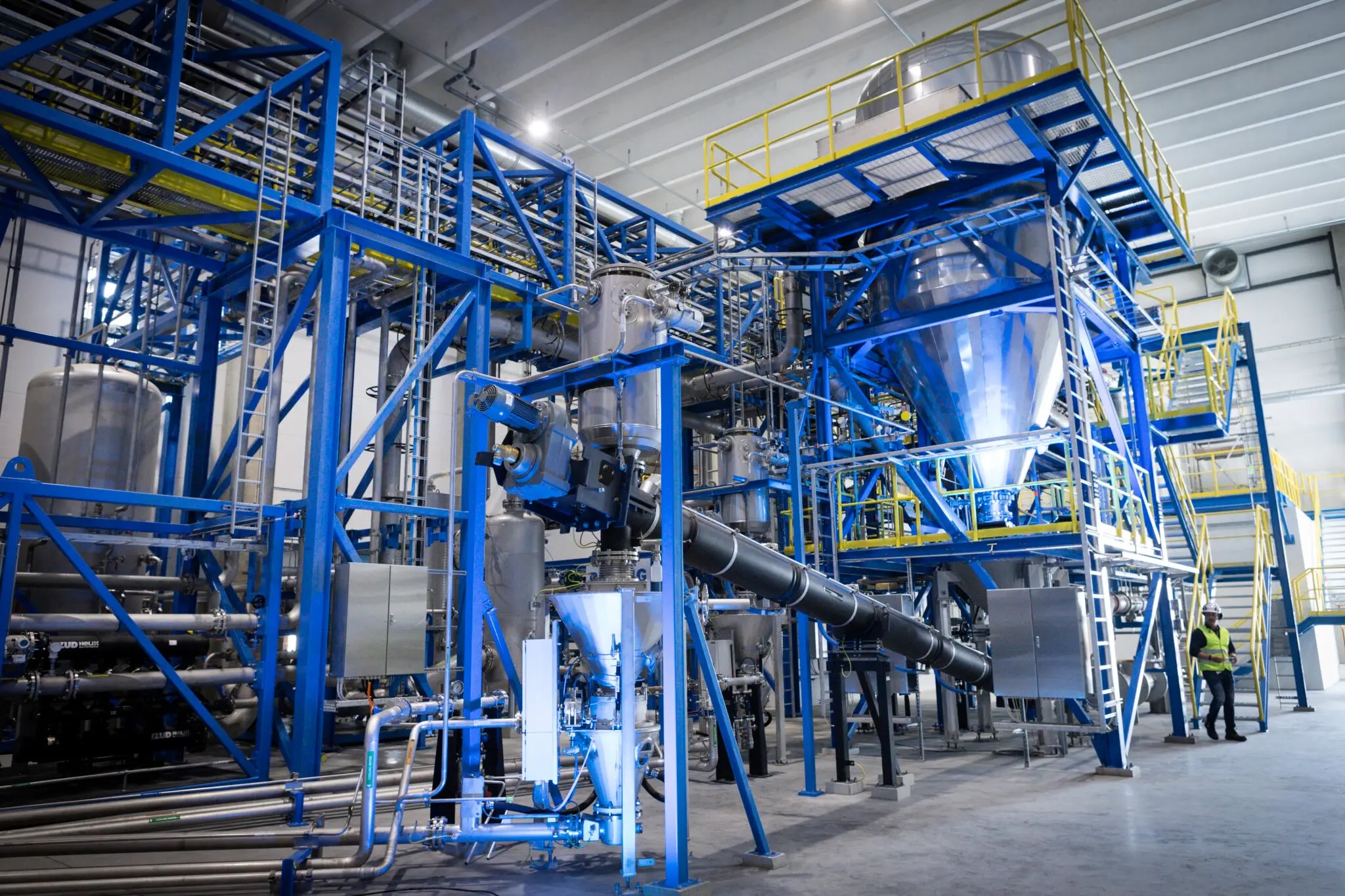
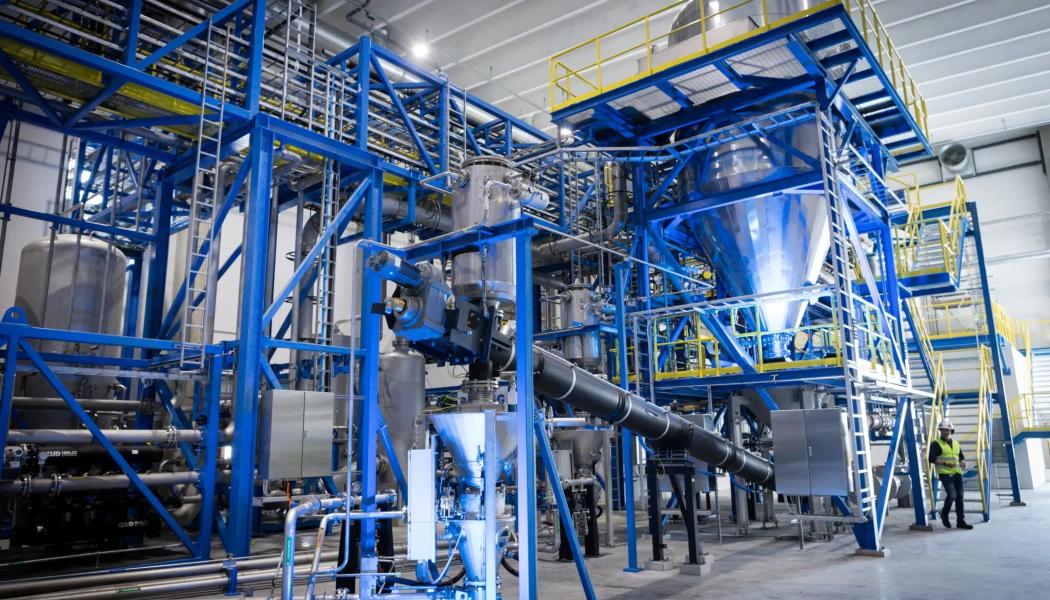
Hycamite is contributing its methane-splitting technology, which produces clean hydrogen and solid carbon instead of generating hydrogen through water electrolysis.
According to the company, the process requires only a fraction of the energy consumed by conventional electrolysis while enabling large-scale hydrogen production for heavy industry.
“When hydrogen is produced from methane molecules, production costs can be reduced significantly. At the same time, we can rapidly supply the volumes required by the steel industry,” said Matti Malkamäki, CEO of Hycamite, in a company statement.
Chief Operating Officer Laura Rahikka added that the company's process uses only about one-eighth of the energy required by electrolysis.
- In addition, a large share of the energy demand can be met by utilising waste heat and other energy streams already available at steel plants, she said.
Electric steelmaking at the core
The FutSteel project will develop an integrated steel production chain based on electric arc furnace technology combined with modernised hot rolling processes.
The ambition is to create a more energy-efficient and lower-emission alternative to conventional blast furnace production, which still dominates global steel manufacturing.
Alongside Hycamite and SSAB, the project includes research organisations VTT Technical Research Centre of Finland and Åbo Akademi University, as well as industrial partners Coolbrook, Ovako, Otanmäki Mine, Strategic Resources, Titanor, Carbo Culture, Convion and Nordkalk.
Supporting Europe's industrial transition
The project highlights the growing cooperation between Finland and Sweden in developing fossil-free industrial technologies. By combining innovative hydrogen production with next-generation steelmaking processes, the partners aim to strengthen Europe's competitiveness while reducing dependence on fossil fuels and supporting the continent's supply of strategic raw materials.
If successful, the technologies being developed within FutSteel could significantly improve the energy efficiency of steel production while reducing electricity demand—one of the major challenges facing the transition to low-carbon steel manufacturing.
Sources: Yle, Hycamite, University of Oulu and SSAB.