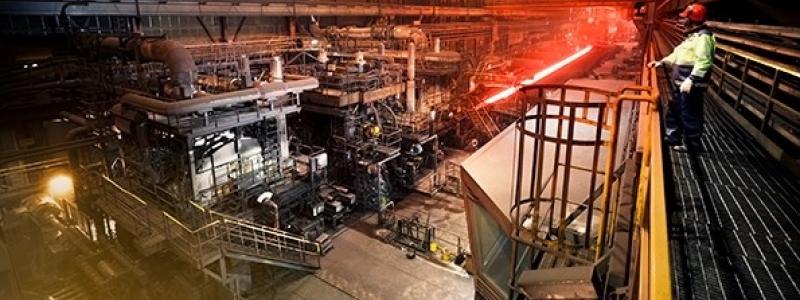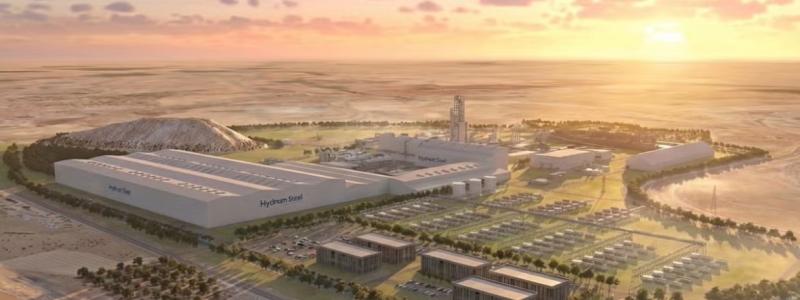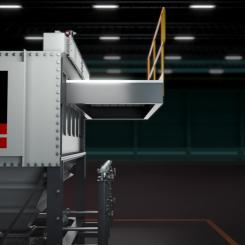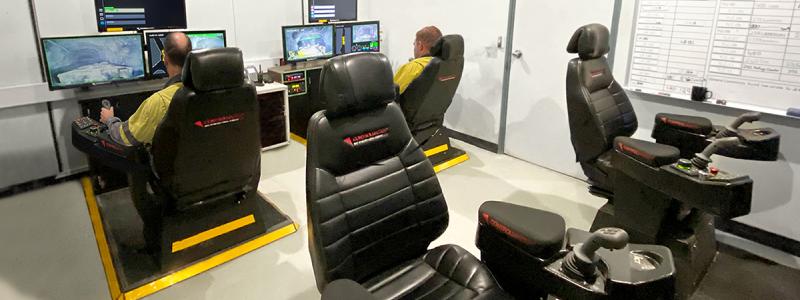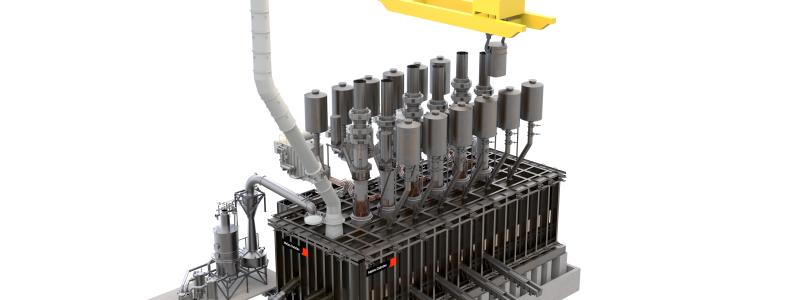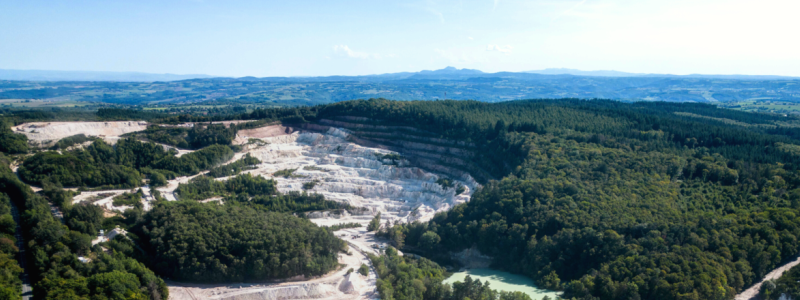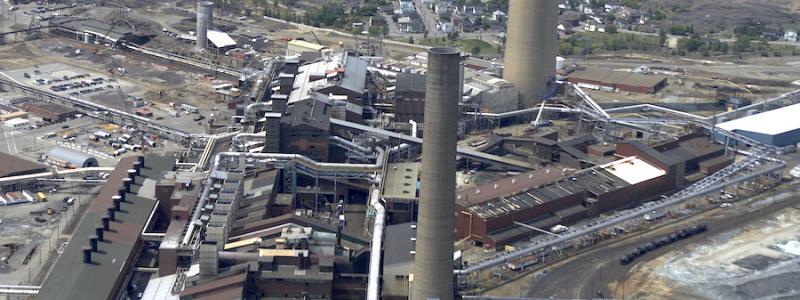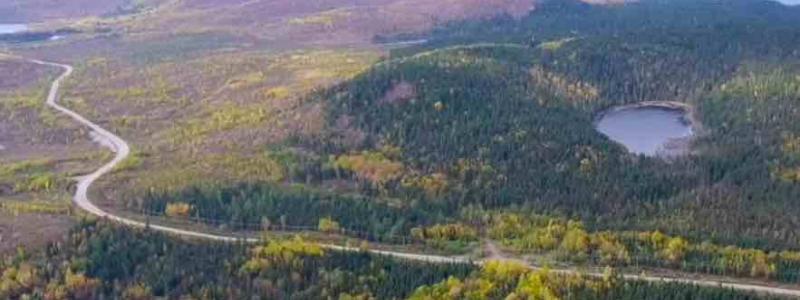
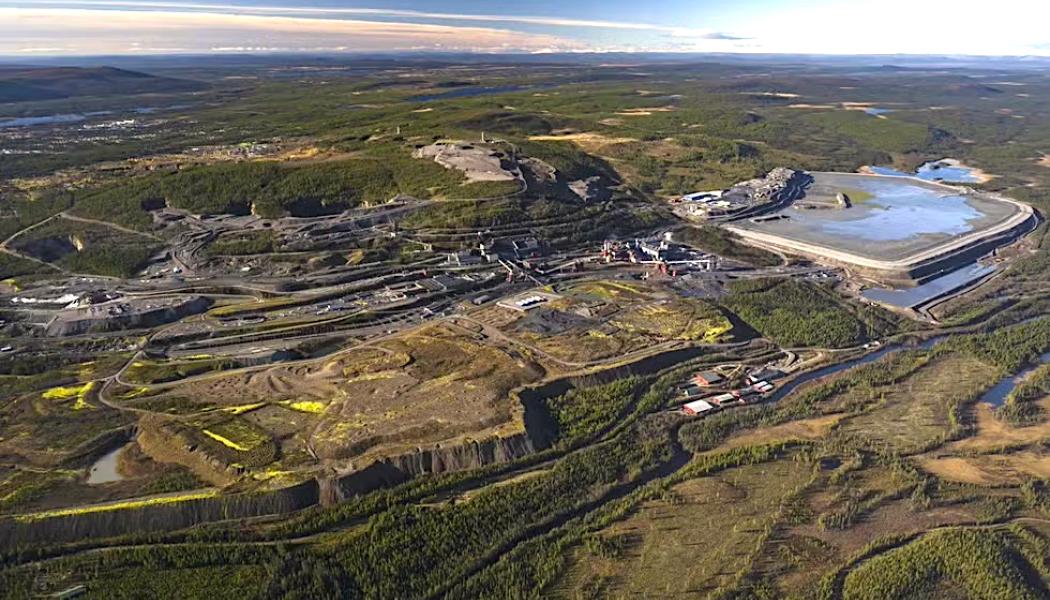
Swedish mining company LKAB has received an environmental permit covering both the continued expansion of its mining operations in Gällivare and the construction of a demonstration plant for fossil-free sponge iron production.
The decision marks a significant milestone in LKAB’s long-term strategy to move further up the value chain by processing more of its iron ore in Sweden while helping to reduce emissions from steel production.
Part of the HYBRIT Hydrogen Initiative
LKAB is one of the founding partners behind the HYBRIT initiative, alongside steelmaker SSAB and energy company Vattenfall.
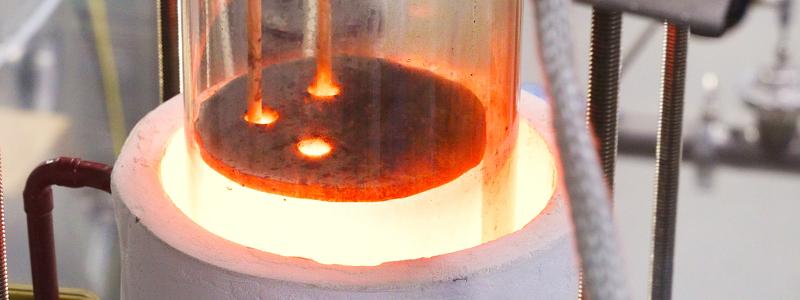
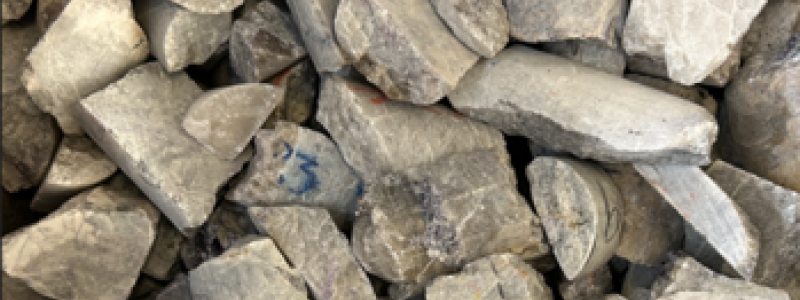
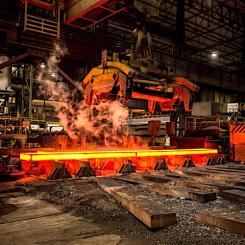
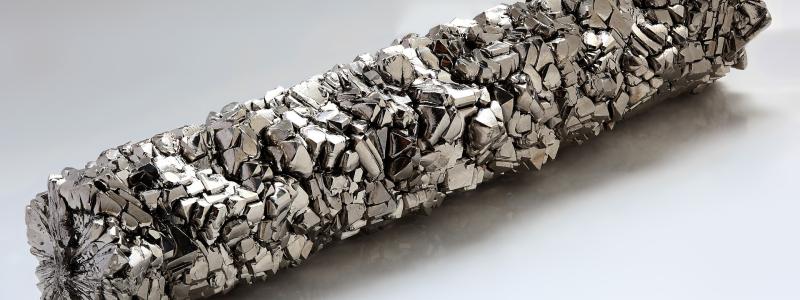
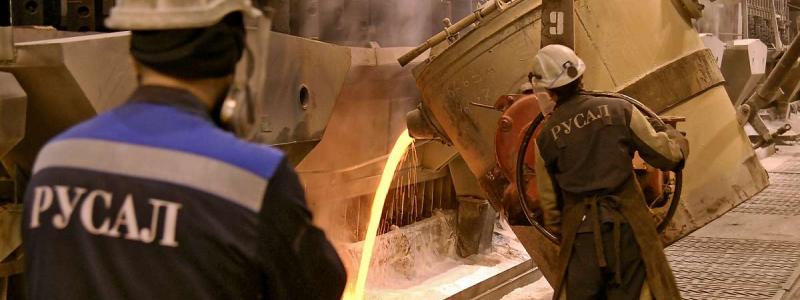
The project uses hydrogen instead of coal to reduce iron ore into direct reduced iron (DRI), commonly known as sponge iron. The material can then be used in electric arc furnaces to produce steel with substantially lower carbon emissions than conventional blast furnace production.
The technology is widely viewed as one of the most promising pathways for decarbonising the global steel industry, which remains one of the largest sources of industrial carbon dioxide emissions worldwide.
Previous Delays
As early as 2024, LKAB warned that lengthy permitting processes had delayed plans for a larger direct reduction facility in Gällivare.
According to earlier project information, the proposed plant was expected to require approximately 500 MW of electrolyser capacity to produce the hydrogen needed for the reduction process.
The company has not yet confirmed whether the demonstration facility will retain the same power requirements or whether the timeline for a final investment decision and commercial operation has changed following the permit approval.
Northern Sweden Offers Competitive Energy Conditions
Gällivare is increasingly viewed as one of Europe’s most attractive locations for large-scale hydrogen production.
Sweden’s electricity market is divided into four pricing zones, with the two northernmost regions often benefiting from significantly lower power prices than southern Sweden and much of continental Europe.
Strong hydroelectric and wind power generation, combined with relatively modest local electricity consumption, has created a surplus of low-carbon electricity, helping to keep energy costs competitive.
For hydrogen-based projects, where electricity represents the highest operating cost, access to affordable and reliable power is a critical advantage.
Growing Cluster of Green Industrial Projects
Northern Sweden has emerged as a major destination for investments in low-carbon industry.
In Boden, about 200 kilometres south of Gällivare, steel producer Stegra is constructing an integrated green steel facility that will include 740 MW of electrolyser capacity. The project is among the largest hydrogen-based industrial developments currently underway in Europe.
Together with LKAB’s plans and the broader HYBRIT initiative, these investments are strengthening northern Sweden’s position as one of Europe’s leading regions for fossil-free iron and steel production.
Important Step Towards Future Investments
While the environmental permit does not automatically trigger construction of the demonstration facility, it removes one of the most significant regulatory obstacles facing the project.
For LKAB, the decision provides greater flexibility as the company continues its transition from exporting iron ore to producing higher-value processed materials.
If fully implemented, the project could make Gällivare one of the first locations in the world to produce fossil-free sponge iron at industrial scale using hydrogen.
Fact Box
HYBRIT at a Glance
- Founded by LKAB, SSAB and Vattenfall.
- Uses hydrogen instead of coal to reduce iron ore.
- Produces low-carbon direct reduced iron (DRI).
- Aims to significantly reduce emissions from steelmaking.
- Operates a pilot facility in Luleå.
- Gällivare is expected to play a key role in future commercial production.
Source: LKAB, HYBRIT.
Fact Check
Direct Reduced Iron (DRI), also known as sponge iron, is an intermediate product used in steelmaking. When hydrogen is used as the reducing agent, water vapour is produced instead of carbon dioxide. The technology is considered a cornerstone of Europe’s strategy to decarbonise heavy industry. However, large-scale production requires substantial amounts of low-cost fossil-free electricity, making access to reliable power a crucial factor in the economic viability of such projects.