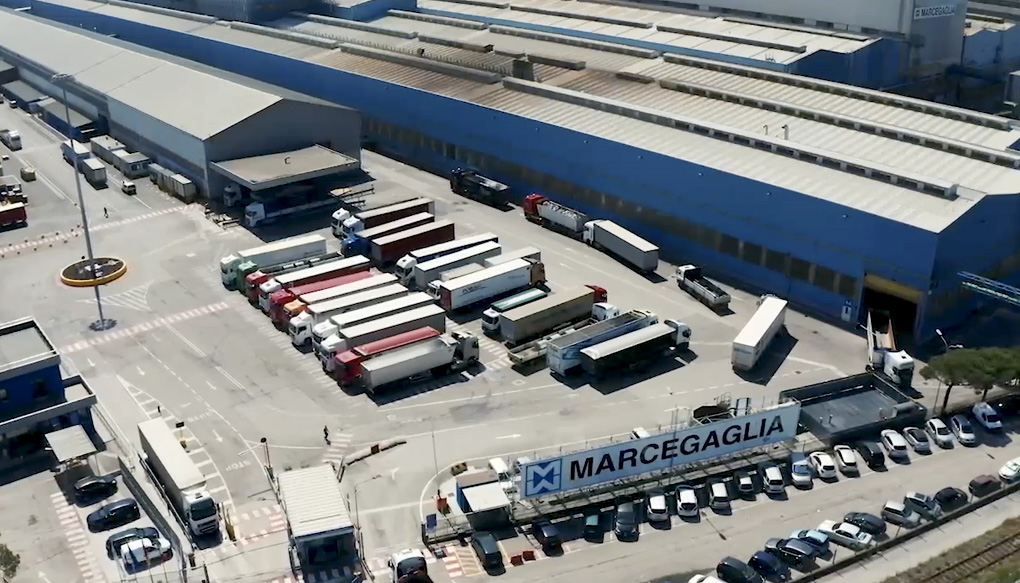



Italian steel and tube producer Marcegaglia is introducing a new pricing model for welded steel tubes. The change follows recent developments in the hot-rolled coil market and is expected to result in higher prices for customers.
The new price list uses a structure similar to the one already applied to steel coil. Prices will consist of a fixed base price and separate extras determined by tube dimensions and other product specifications, Eurometal reports, citing Kallanish.
Under the previous system, customer discounts were calculated on the total value of the product. In the new model, discounts will instead be deducted from the base price, while specification-based extras will remain outside the discount.
The change will allow Marcegaglia to align individual product prices more closely with the cost of manufacturing different types of tubes. At the same time, the final price will become more dependent on the dimensions, steel grades and processing options ordered by the customer.
Full implementation expected shortly
Marcegaglia has already published the new price list. According to market sources, the revised model is expected to be fully implemented in late September or early October, once customers have adapted their ordering and calculation systems.
The list will also include price increases, although Marcegaglia had not determined the final levels at the time of publication. The company is first assessing how the recent increase in hot-rolled coil prices will affect its production costs.
Hot-rolled coil, or HRC, is the principal raw material used to manufacture welded steel tubes. Rising coil prices therefore put immediate pressure on tube producers’ margins, particularly when downstream demand is too weak for the full increase to be passed on to customers.
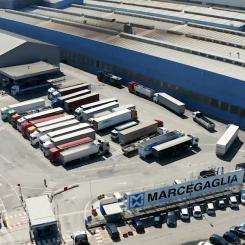
Marcegaglia has also incorporated revised transport costs into the new price list. Freight rates have risen in recent months, while the availability of trucks and drivers has become increasingly limited.
Logistics now account for a growing share of the cost per tonne of steel. Transport bottlenecks are also causing delays throughout the supply chain, affecting steelmakers, tube producers, distributors and end users.
One market source expects rising fuel and freight costs to accelerate the regionalisation of the tube market. As long-distance transport becomes more expensive, proximity to customers will become increasingly important for both delivery reliability and profitability.
Other European producers consider increases
Several other European tube manufacturers are reportedly preparing price increases in response to higher steel and transport costs. The development follows price rises already announced in the hot-rolled coil market.
ArcelorMittal increased its European coil prices in September. The new target price for hot-rolled coil in Southern Europe stands at €790 per tonne delivered, while the corresponding level in Northern Europe is €770 per tonne.
Market sources regard these levels as workable for October and November deliveries. With tube manufacturers now paying well above €700 per tonne ex-works for HRC, pressure to raise finished-product prices is increasing despite continued uncertainty over downstream demand.
The change involves more than a single round of price increases. Industry observers expect the European welded tube market to undergo a broader transformation as trade protection measures and declining imports reshape supply chains.
European producers have previously been able to source competitively priced hot-rolled coil from outside the region. As imported material becomes less readily available, tube manufacturers will increasingly need to compete through quality, processing capabilities, reliable delivery and other value-added services rather than raw-material sourcing alone.
Demand remains subdued
Demand for steel tubes remains weak in Central and Southern Europe. There are still no clear indications of a broad recovery in consumption from construction, engineering and other major customer industries.
Market sentiment has nevertheless improved slightly as import volumes have declined. Many buyers accumulated inventories before changes to the EU import quotas took effect in July and have therefore been able to delay additional purchases during the late summer.
As these inventories are depleted, more buyers are expected to return to the European market in October and November. This could give tube manufacturers a better opportunity to implement the price increases currently under consideration.
The size of any increase will depend on developments in coil prices, freight costs and industrial demand. Marcegaglia’s new model also illustrates how producers are seeking more flexible pricing structures in a market where input costs can change rapidly.
Source: Eurometal and Kallanish.