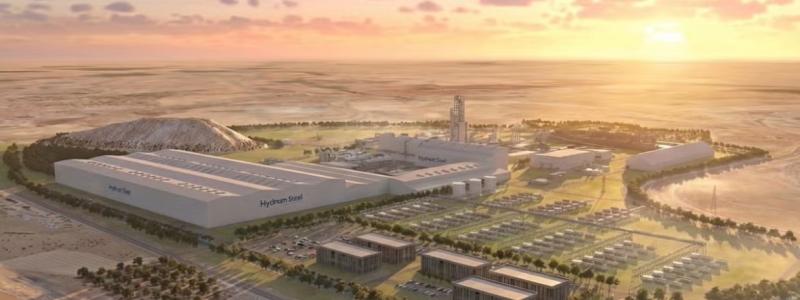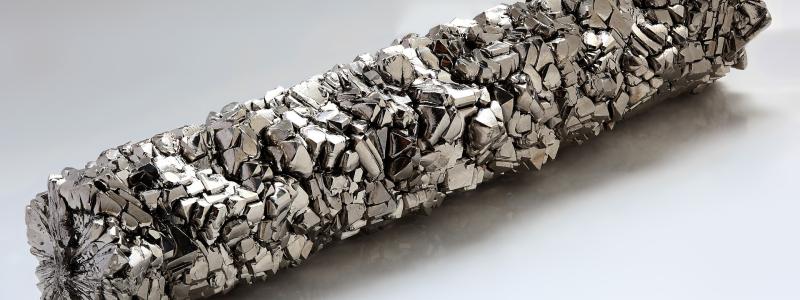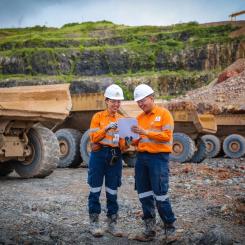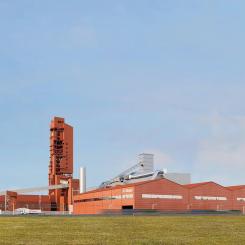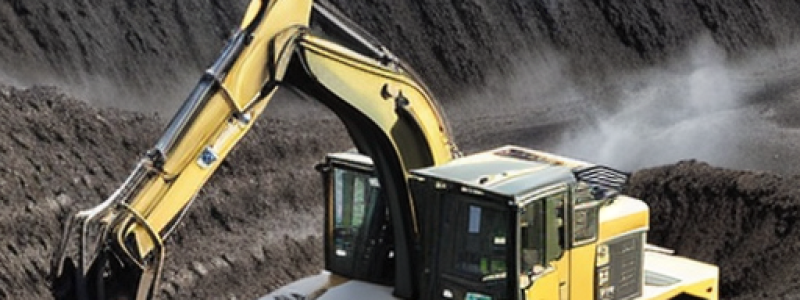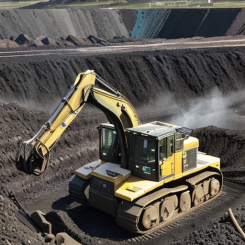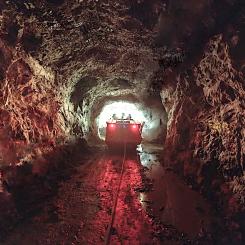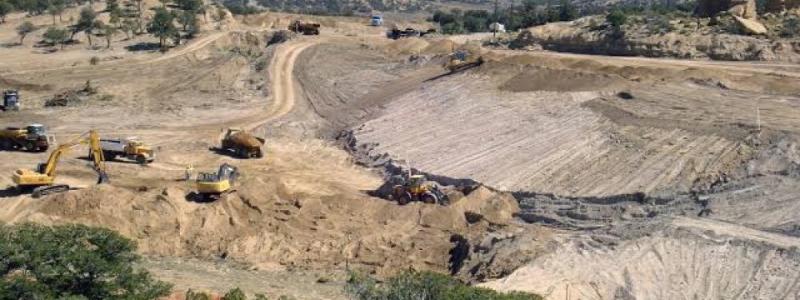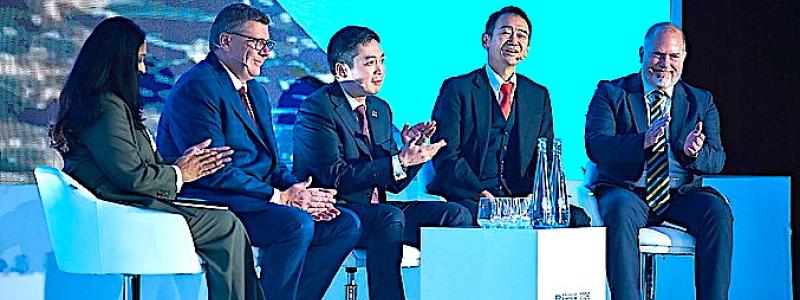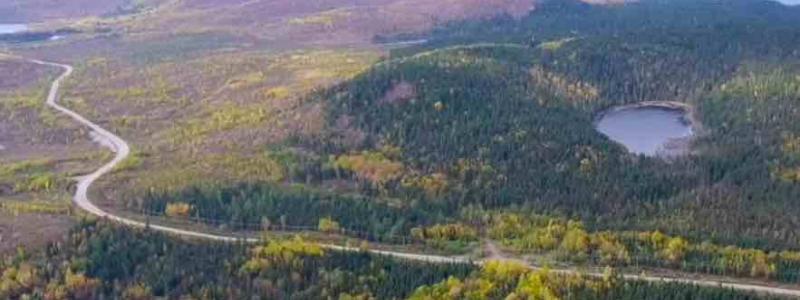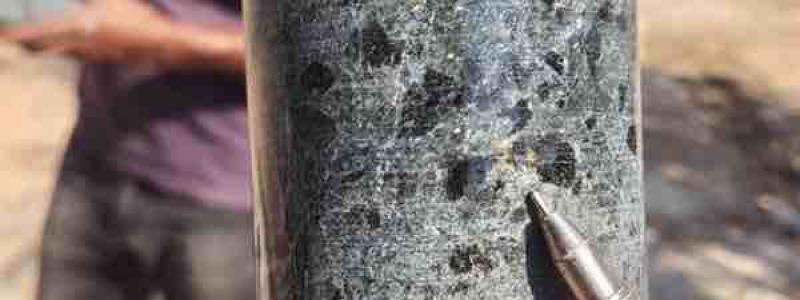
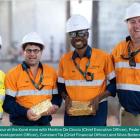
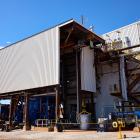
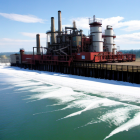
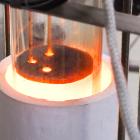

District Metals has filed the technical report for the preliminary economic assessment of the Viken project in Jämtland as Sweden’s new uranium mining legislation enters into force. Photo: Screenshot of Viken project material/District Metals.
Canadian mining company District Metals has filed the technical report for the preliminary economic assessment (PEA) of the Viken Energy Metals Project in Jämtland. The filing coincides with the entry into force of the latest part of Sweden’s reformed uranium mining legislation – a change that could significantly affect the future development of the country’s uranium deposits.
District Metals sees new opportunities after Sweden’s uranium reform
The technical report was filed on the Canadian SEDAR+ reporting platform only a few days after the new Swedish rules took effect on July 15.
The legislative changes mean, among other things, that uranium mining is no longer classified as a nuclear activity and that the municipalities’ special veto over uranium extraction has been removed.
Project includes uranium, vanadium and potash
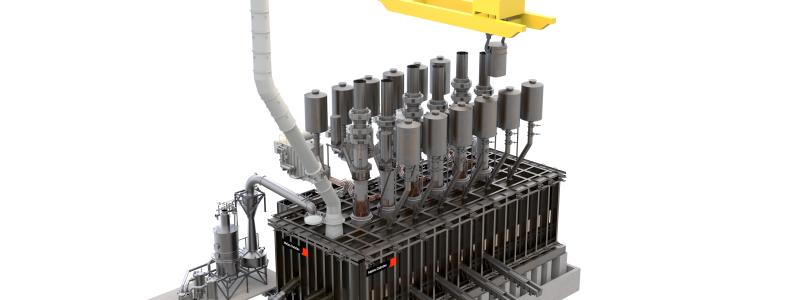
District Metals presented the initial results of the preliminary economic assessment in early June. The study outlines a conventional open-pit mining and processing operation with estimated average annual production of approximately 3.3 million pounds of U₃O₈, equivalent to around 1,270 tonnes of uranium, over an estimated mine life of 13 years.
In addition to uranium, the deposit contains significant quantities of vanadium and potash, which are regarded as strategically important raw materials for the energy transition and industrial production.
A preliminary economic assessment is an early-stage study used to evaluate the potential economic viability of a mining project. It may include both indicated and inferred mineral resources and normally provides a basis for more detailed pre-feasibility and feasibility studies.
According to District Metals, approximately 77 per cent of the proposed mine plan is based on indicated mineral resources, while the remaining 23 percent is based on inferred resources.
When the results were announced, District Metals CEO Garrett Ainsworth described the assessment as an important milestone for the project.
– The study delivers results of global significance and positions Viken among the mining sector’s most compelling critical-mineral development projects, he said.
The technical report was prepared by independent consultancy P&E Mining Consultants Inc. in cooperation with METS Engineering Group Pty Ltd. in accordance with the Canadian NI 43-101 reporting standard.
Legislative reform changes project conditions
Sweden is estimated to have more than one million tonnes of uranium resources contained in alum shale and distributed across three major deposits.
Uranium exploration and mining were prohibited in 2018 following amendments to Sweden’s Environmental Code.
In November 2025, however, the Swedish Parliament voted to repeal the ban. The first part of the legislative reform entered into force at the beginning of 2026, while the supplementary provisions took effect on July 15.
Under the new rules, uranium mining is no longer covered by Sweden’s Nuclear Activities Act. A special municipal approval is also no longer required solely because a deposit contains uranium.
The permitting process will consequently be handled in the same way as other mining activities under the Swedish Minerals Act and environmental legislation.
Several Swedish projects could be affected
The legislative changes are also expected to affect other uranium projects in Sweden.
One of the most closely watched is the Häggån project in Jämtland, which is being developed by Australian company Aura Energy. In addition to uranium, the deposit contains vanadium, nickel, molybdenum, zinc and potash.
Aura Energy has previously stated that the new legislation creates clearer and more predictable conditions for the future development of mining projects in Sweden.
Analysts expect the reforms to increase international interest in Swedish uranium deposits as demand for nuclear fuel and other critical raw materials continues to grow.
Facts: Viken Energy Metals Project
Location: Jämtland County, Sweden
Company: District Metals Corp, Canada
Planned production: Approximately 3.3 million pounds of U₃O₈, equivalent to around 1,270 tonnes of uranium, per year
Estimated mine life: 13 years
Other commodities: Vanadium and potash
Status: Preliminary economic assessment filed on SEDAR+