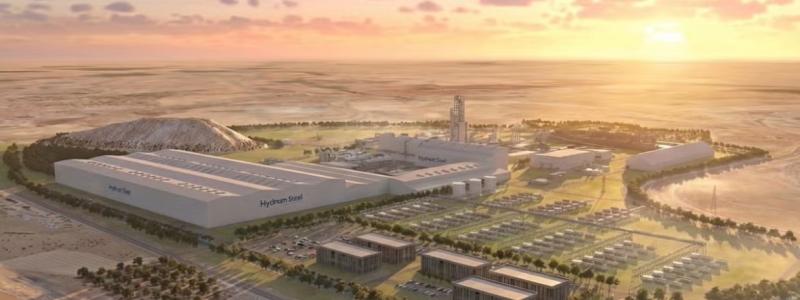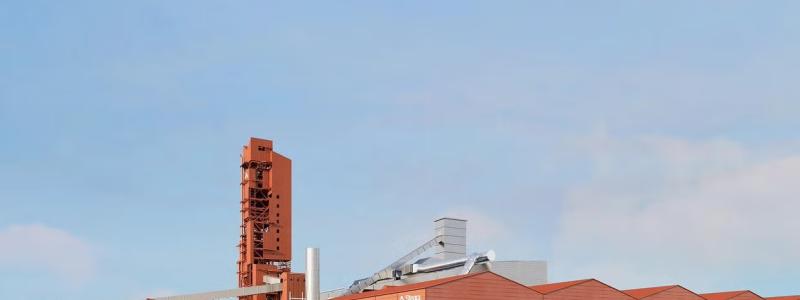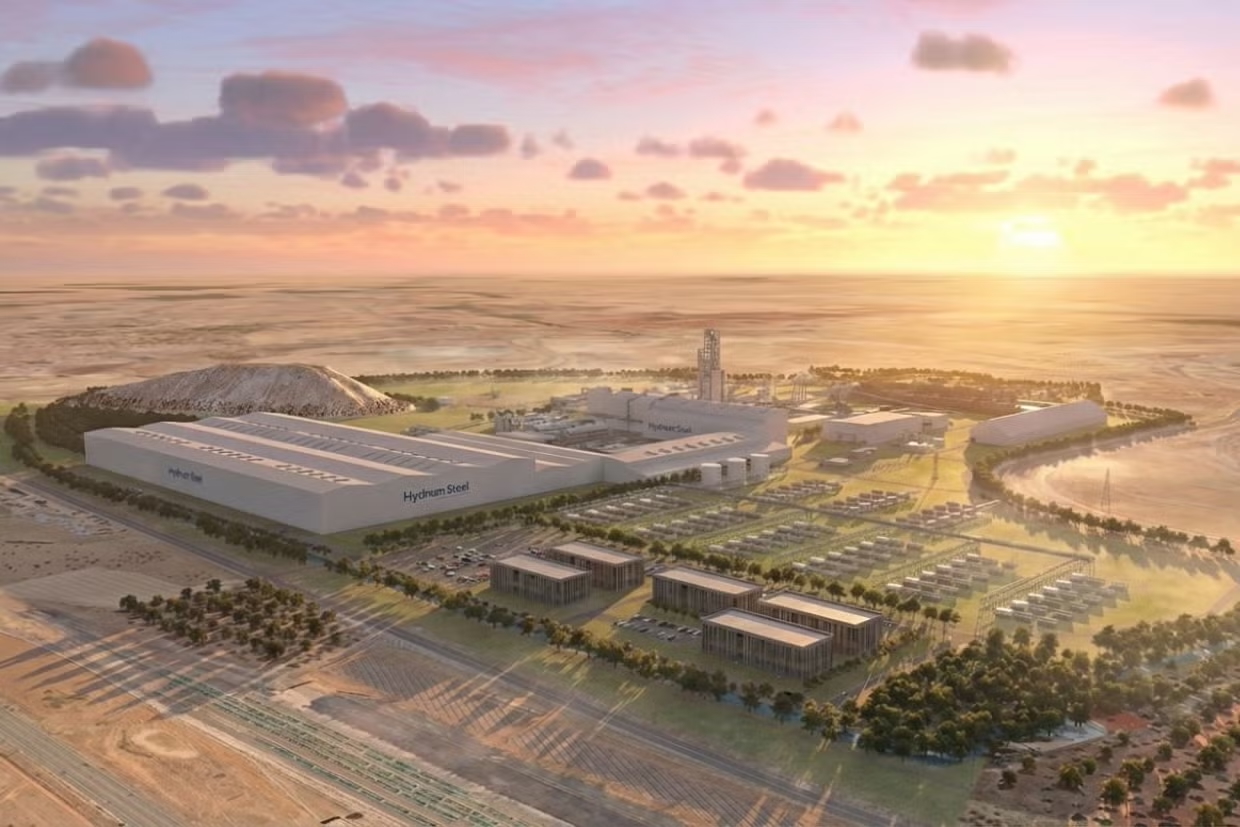
Spanish steel start-up Hydnum Steel is reportedly planning to sell a 50% stake in the company to raise capital for its proposed steel plant in Puertollano. The stake is said to be valued at no less than €150 million.
The company aims to complete the transaction before the end of 2026, according to Bloomberg information reported by industry publication Hydrogen Insight. No prospective buyer has been named, and Hydnum Steel has yet to provide further details about the proposed sale.
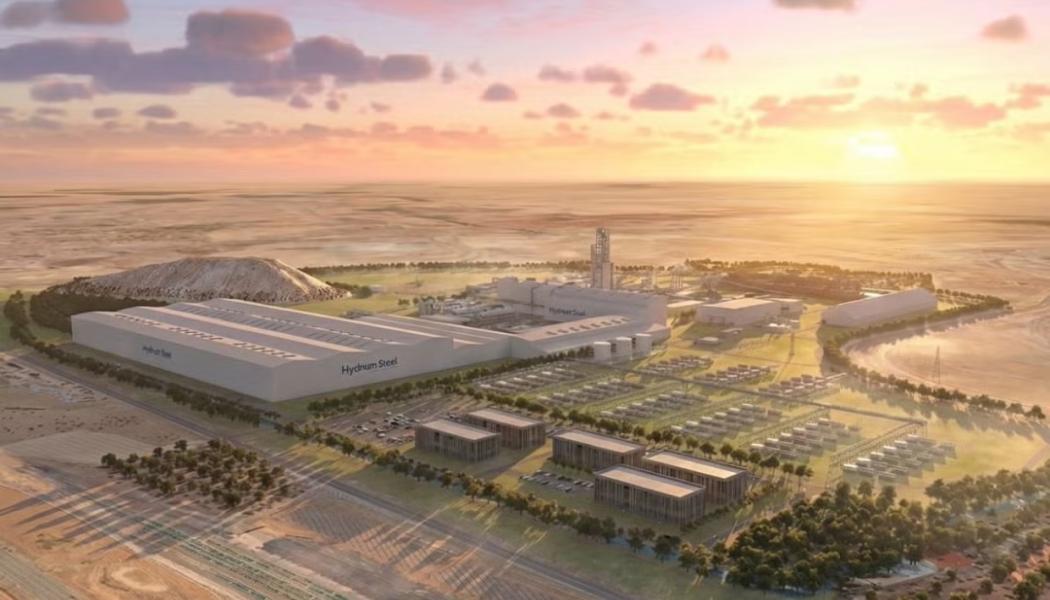
The fundraising effort comes as the company prepares a major industrial project for lower-emission steel production in Castilla-La Mancha in central Spain.
Annual capacity of 2.7 million tonnes planned
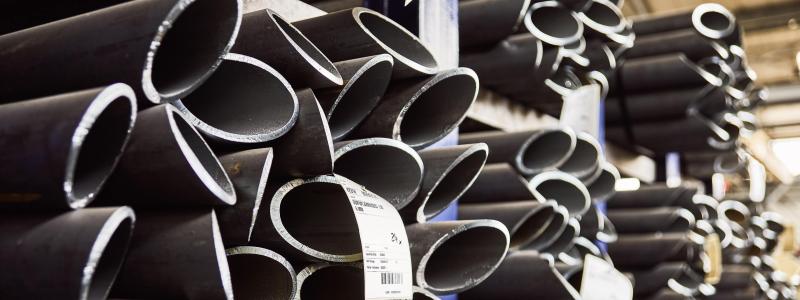
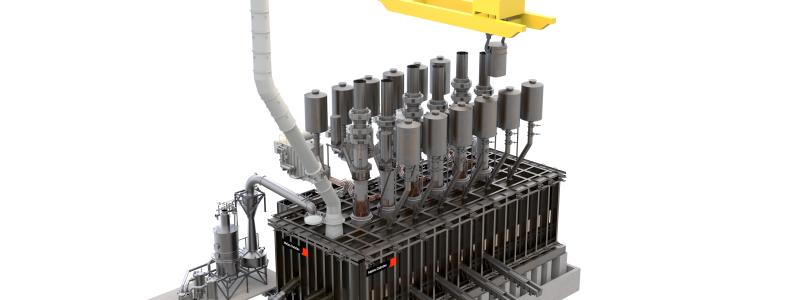
Once fully developed, Hydnum Steel’s proposed plant is expected to have an annual production capacity of 2.7 million tonnes of steel. Production would be based on direct reduced iron, or DRI, combined with electric arc furnaces.
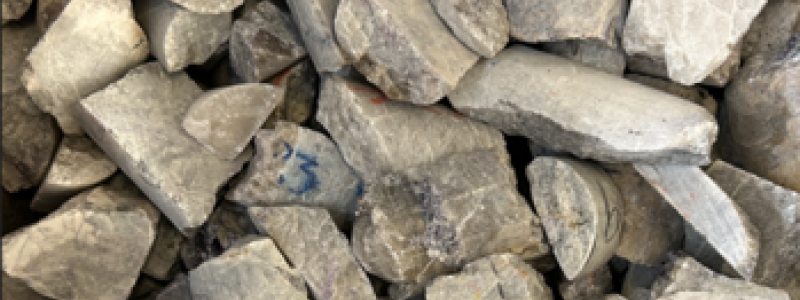
In the DRI process, oxygen is removed from iron ore without melting it in a conventional blast furnace. Natural gas can be used as the reducing agent, but Hydnum Steel intends to gradually shift towards renewable hydrogen. This could reduce reliance on coal and coke, which account for a large share of the steel industry’s direct carbon dioxide emissions.
Hydnum Steel claims that the plant could reduce Scope 1 and Scope 2 emissions by 98% compared with conventional blast furnace-based steelmaking. Scope 1 covers direct emissions from the company’s own operations, while Scope 2 refers to indirect emissions associated with purchased energy.
The 98% figure is the company’s own estimate. The plant’s final carbon footprint will depend on factors including access to renewable electricity and hydrogen, the type of iron feedstock used and the speed at which production can be converted from natural gas to hydrogen.
Project expected to cost more than €1.5 billion
The planned investment is estimated to exceed €1.5 billion. According to previously announced schedules, construction is due to begin during 2026.
Selling half of the company could therefore form an important part of the financing package, although a €150 million capital injection would cover only a relatively small share of the project’s total cost. Large industrial developments of this kind are generally financed through a combination of equity, loans, government support and public guarantees.
In August, Hydnum Steel secured a €150 million investment commitment from Cofides, a financial institution jointly owned by the Spanish state and several banks. According to Hydrogen Insight, it remains unclear whether the proposed sale of the 50% stake is linked to this commitment or represents a separate financing round.
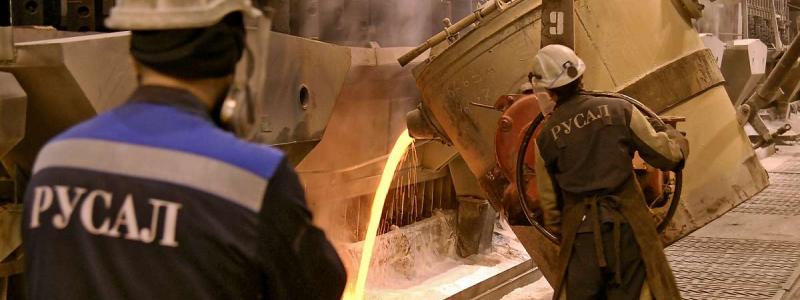
Family-owned engineering company Russula currently controls Hydnum Steel. The company specialises in technology and equipment for the steel industry and operates in several international markets.
High capital requirements challenge new steel projects
The proposed transaction highlights the substantial funding requirements facing Europe’s emerging hydrogen- and DRI-based steel projects. The technology can reduce emissions considerably but requires major investment in production facilities, electricity networks, and access to large volumes of competitively priced renewable power.
Renewable hydrogen also remains significantly more expensive than coal and natural gas in many parts of Europe. The project’s financial viability will therefore depend on factors including energy prices, public support, long-term supply and purchase agreements, and customers’ willingness to pay a premium for steel with a lower carbon footprint.
For Hydnum Steel, a new shareholder could offer more than an additional source of capital. An industrial or financial partner could also contribute technical expertise, stronger creditworthiness and access to prospective customers.
The reported plan to sell as much as half of the company nevertheless illustrates the scale of the resources required to take the project from the planning stage to construction and commercial operation.
Hydrogen Insight has contacted Hydnum Steel for further information about the sale process and its relationship to the Cofides investment commitment. The company had not provided additional details at the time of publication.
Sources: Bloomberg and Hydrogen Insight. Information concerning the plant’s planned capacity and estimated emissions reductions was provided by Hydnum Steel.