
A large majority of residents in the Finnish mining municipality of Sodankylä support both existing and planned mining projects, according to a new public opinion survey. While mining is widely viewed as a key driver of jobs and economic growth, many residents also want stricter environmental safeguards to protect waterways, biodiversity and the region's traditional reindeer husbandry.
The survey, commissioned by the Municipality of Sodankylä and conducted by research company Taloustutkimus, shows that around 70 per cent of respondents support the municipality's mining projects overall.
Among respondents familiar with the individual projects, the existing Kevitsa mine enjoys the support of 69 per cent, while the planned Ikkari project receives the strongest backing at 73 per cent. The proposed Sakatti mine is supported by 63 per cent of respondents, and 64 per cent are generally in favour of mineral exploration.
Mining seen as crucial for the local economy
Residents largely associate mining with employment, business activity and the municipality's long-term competitiveness. At the same time, the survey highlights widespread concern over the industry's environmental footprint.
The greatest concerns relate to potential impacts on water resources, biodiversity and reindeer husbandry—issues that have long dominated discussions surrounding new mining developments in northern Finland.
Among those who oppose the projects, most say they could still accept them if all regulatory permits are granted and strict environmental conditions are met. Opposition remains strongest towards the Sakatti project.
Municipal Manager Jari Rantapelkonen says the findings broadly confirm what local decision-makers had expected.
"Residents accept mining, but they also expect environmental issues to be addressed with the utmost seriousness," he says.
Rantapelkonen was surprised, however, that only 82 per cent of respondents said they were familiar with the Sakatti project despite years of public debate. By comparison, 96 per cent said they were familiar with the long-established Kevitsa mine.
"We clearly need to provide even more information about these projects," he says.
Protected mire remains a controversial issue
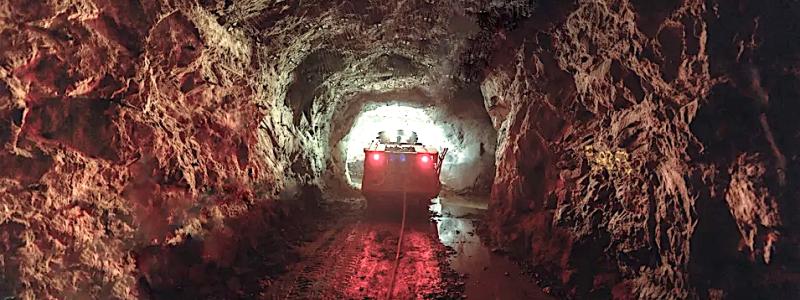
One of the most debated aspects of the Sakatti project is that part of the planned underground mine would extend beneath the protected Viiankiaapa mire. The survey did not directly ask respondents whether they support mining beneath a protected conservation area.
Earlier this year, however, the Finnish Association for Nature Conservation published a separate survey indicating that a majority of supporters of every political party oppose mining beneath Viiankiaapa.
At the same time, uncertainty over the future of Boliden's Kevitsa nickel mine has increased concerns within the municipality. In May, the company announced plans to close the mine in 2034 and to lay off 77 employees as the first step in the closure process.
The announcement has raised concerns among residents, as Kevitsa has long been one of Sodankylä's largest employers and an important contributor to the local economy.
Meanwhile, the Regional Council of Lapland has applied to the Finnish Government for an exemption permit that would allow the Sakatti project to proceed beneath the protected mire. Such an exemption requires the project to be considered an overriding public interest and that no reasonable alternative exists.
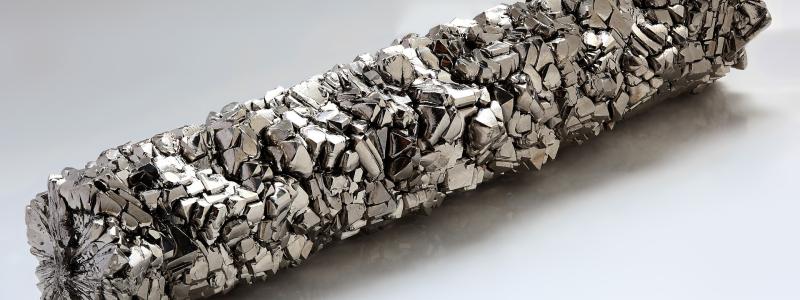
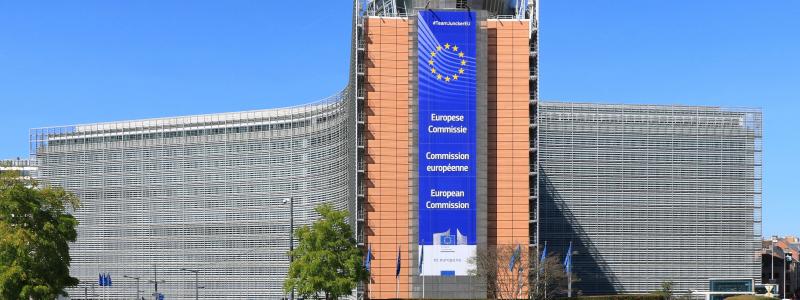
The project has also gained strategic significance after the European Commission designated Sakatti as one of Europe's Strategic Projects under the Critical Raw Materials Act. The proposed mine is expected to produce copper, nickel and cobalt—three metals regarded as essential for Europe's electrification, battery manufacturing and green transition.
The survey was conducted during April and May among 591 residents aged 15 and over. The results have already been presented to the Finnish Government, with Municipal Manager Jari Rantapelkonen personally submitting the findings to Finnish Prime Minister Petteri Orpo.
Source: Yle