
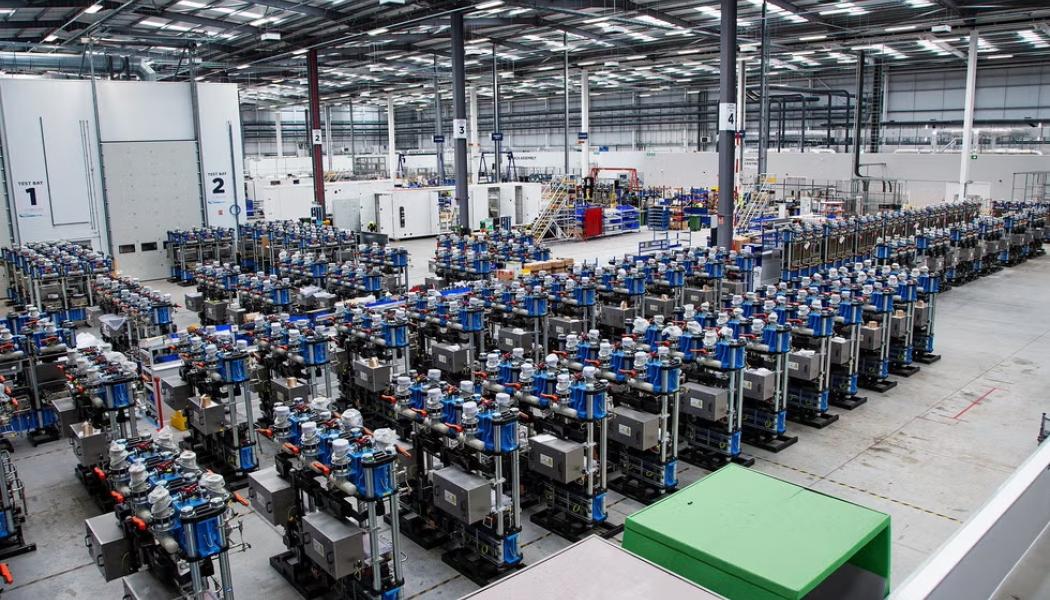
The British electrolysis manufacturer ITM Power has entered into a strategic partnership with the German industrial company Rheinmetall. The aim is to establish a European network of decentralised e-fuel production facilities, primarily intended for military use.
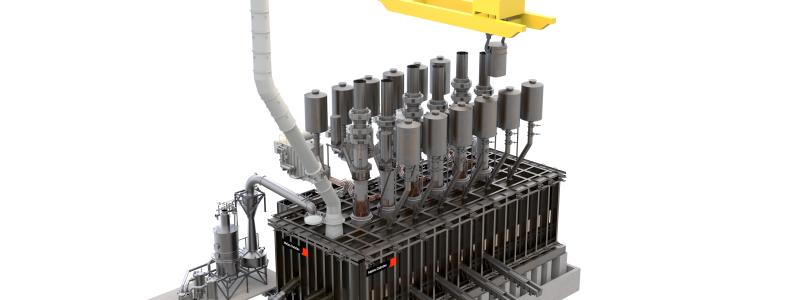
The initiative forms part of the Giga PtX project, which envisions the construction of hundreds of smaller plants across Europe. Each unit is planned to have an electrolysis capacity of up to 50 megawatts and produce synthetic fuels such as diesel and aviation fuel.
According to ITM Power, the collaboration combines its electrolysis systems with Rheinmetall’s expertise in Power-to-X technologies.
– By combining Rheinmetall’s Power-to-X capabilities with our electrolysis systems, we are bringing together expertise and capacity, the company stated, according to Recharge News.
UK first in phased deployment
The project will initially focus on the United Kingdom as the first step in a broader European rollout. Each plant is expected to produce between 5,000 and 7,000 tonnes of fuel annually.
Giga PtX was launched in 2024 by Rheinmetall, together with the e-fuel developer Ineratec. The goal was to reduce dependence on fossil fuels while limiting additional strain on power grids.
German companies Sunfire and Greenlyte have previously been selected as technology suppliers. However, how responsibilities will now be divided remains unclear.
Energy security concerns intensify
The background to the project is growing concern over disruptions in global fuel supply chains. Conflicts in the Middle East and risks linked to critical shipping routes such as the Strait of Hormuz have increased pressure on European countries to secure domestic fuel production.
ITM Power CEO Dennis Schulz highlighted the strategic importance of fuel supply.
– Reliable access to fuel is essential for military capability. Decentralised production can provide a more resilient structure than traditional supply chains, he said, according to Hydrogen Insight.
At the same time, the International Energy Agency has warned that Europe could face a shortage of aviation fuel. Current reserves cover only around six weeks of demand, leaving the system vulnerable to supply disruptions.
However, significant challenges remain. E-fuel production requires large amounts of electricity and is still considerably more expensive than fossil alternatives. This raises questions about economic viability and scalability, particularly in energy systems already under pressure.
Source: Recharge News / Hydrogen Insight
Fact check
E-fuels are produced using electrolysis to generate hydrogen, which is then combined with carbon dioxide. The process is energy-intensive and depends on a stable electricity supply, limiting both cost efficiency and scalability.