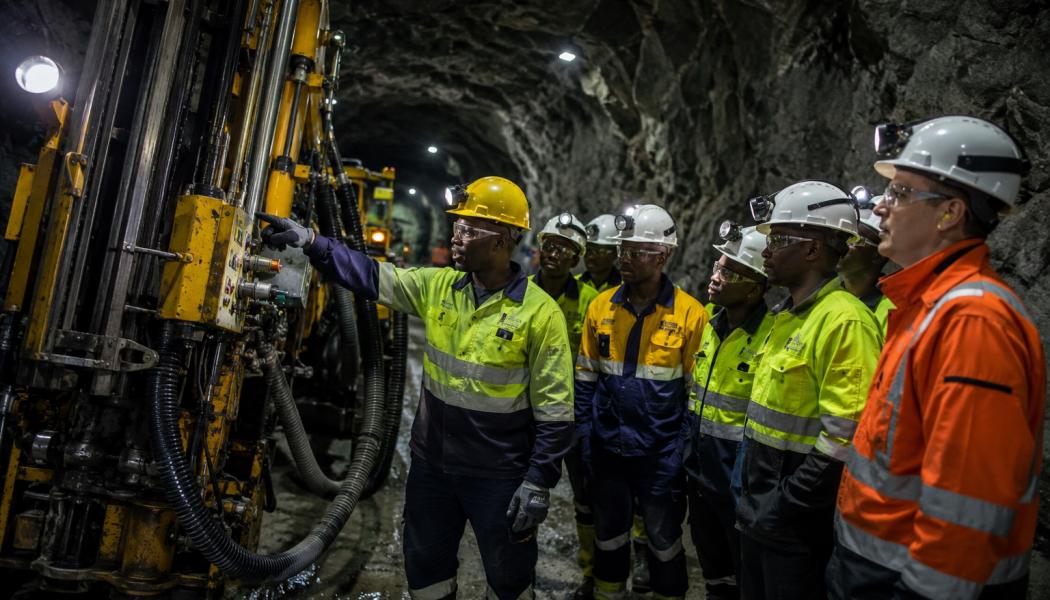
An unusual training project is currently underway deep in the forests of northern Finland, aiming to support the development of Tanzania’s growing mining industry. Around 25 teachers from the Tanzanian vocational education institute VETA are undergoing intensive training in Finland so that they can begin teaching hundreds of students mining technology in their home country as early as next year.
The training is part of the Ujuzi na Arija project, funded through the European Union’s Global Gateway programme. The Finnish education company REDU Edu and the Geological Survey of Finland (GTK) are responsible for the training, while Tanzania’s VETA and consulting company ASNL are participating on the African side.
Practical training in Sodankylä and Rovaniemi
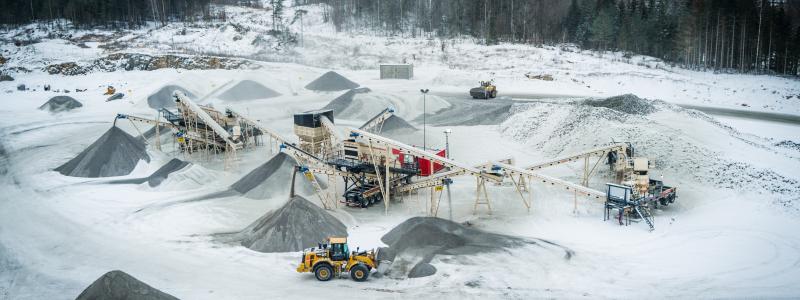
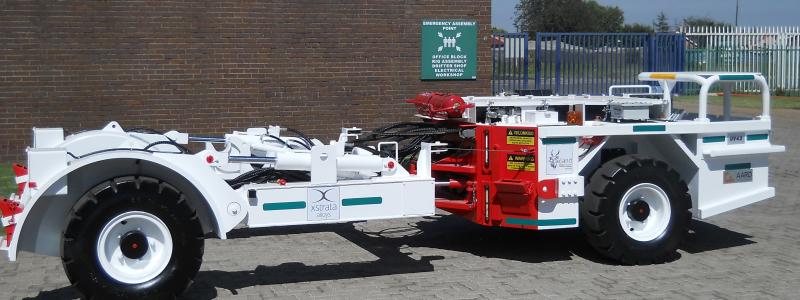
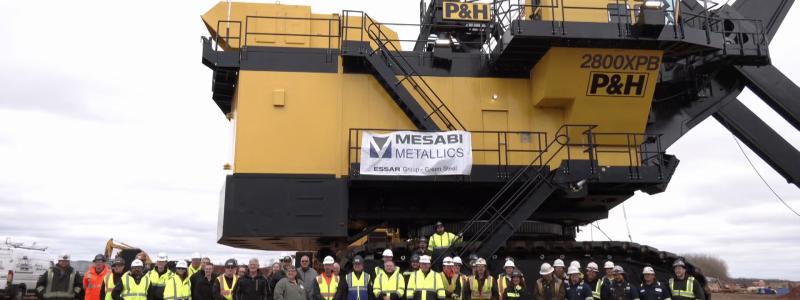
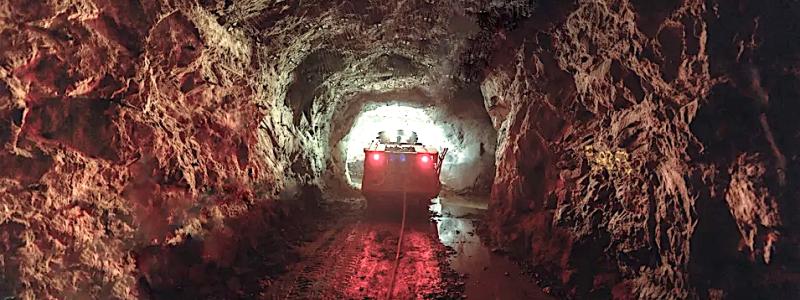
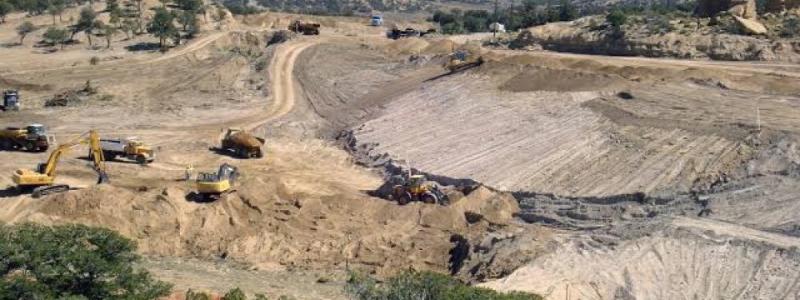
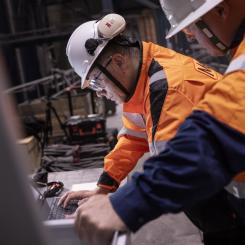
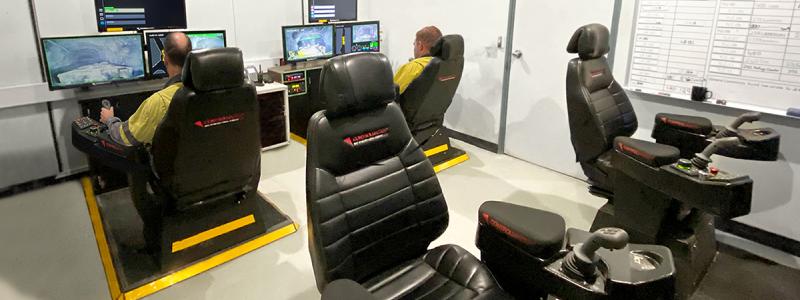
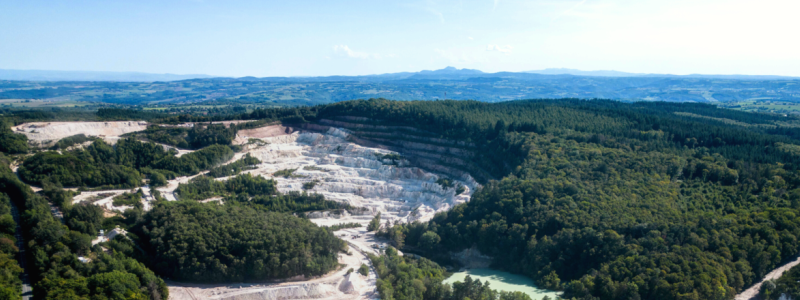
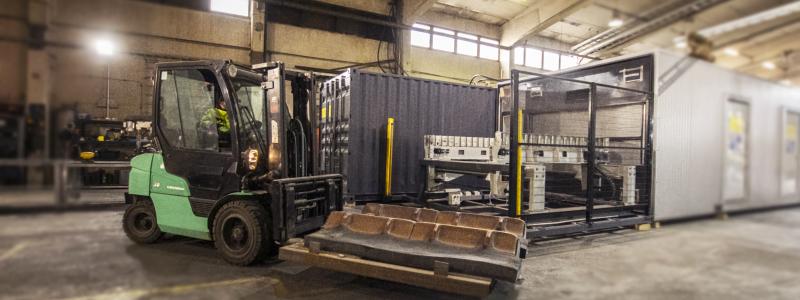
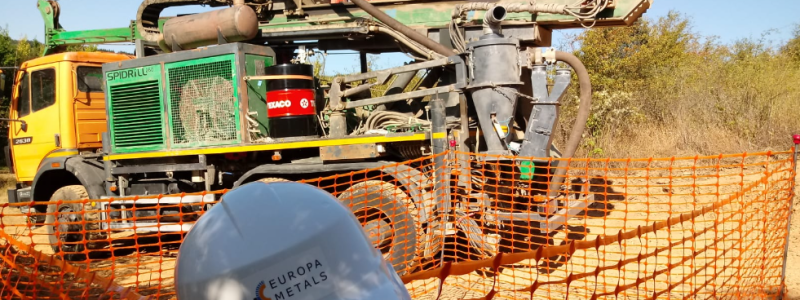
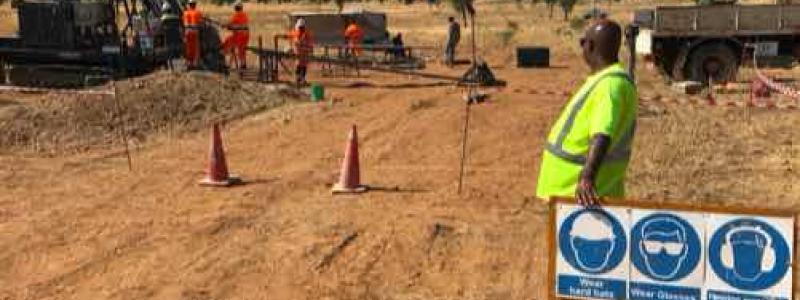
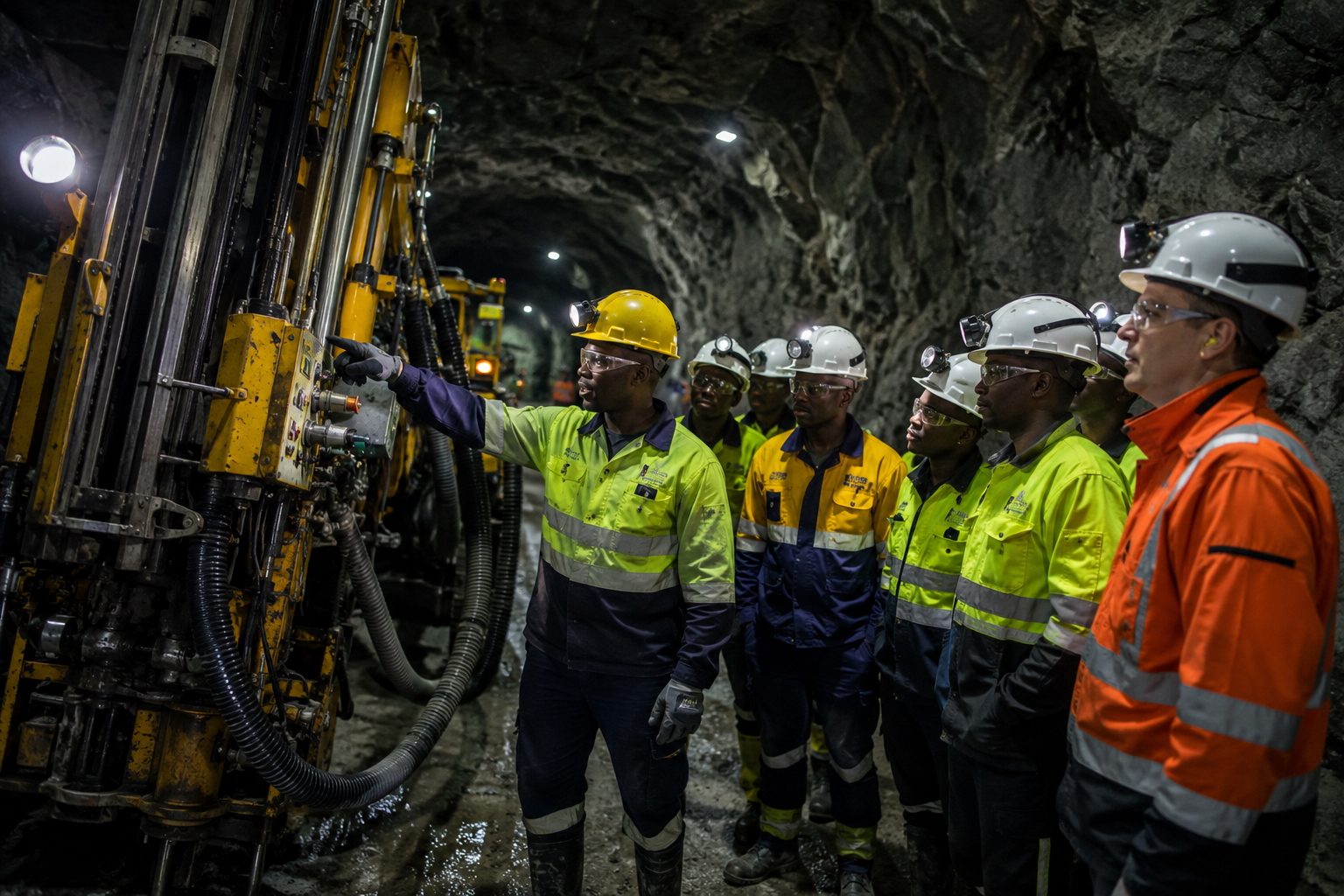
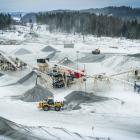
Over five weeks, participants receive hands-on training in different aspects of mining operations. In Sodankylä, training takes place at a small open-pit site, where participants learn to operate drilling equipment and gain basic knowledge of blasting and ore extraction. In Rovaniemi, the focus is on machinery maintenance and earthmoving operations.
Most of the participating teachers have backgrounds in welding, metalwork and electrical engineering, but have little or no previous experience in mining.
According to Janne Laine, training planner at REDU Edu, the emphasis is on fundamentals and safety.
- We cannot train fully qualified miners in five weeks. Therefore, we focus on the essentials while further training continues in Tanzania in close cooperation with mining companies, he says.
The programme will continue in Tanzania later this year, with Finnish instructors taking part in the next phase.
The goal is to train 400 students
The aim is for around 400 Tanzanian students to begin studying mining technology next year. The project also includes the development of a national mining curriculum, something Tanzania currently lacks.
The initiative comes as interest in East Africa’s mineral resources continues to grow. Tanzania possesses significant deposits of metals and minerals required for the energy transition, electronics manufacturing and defence industries.
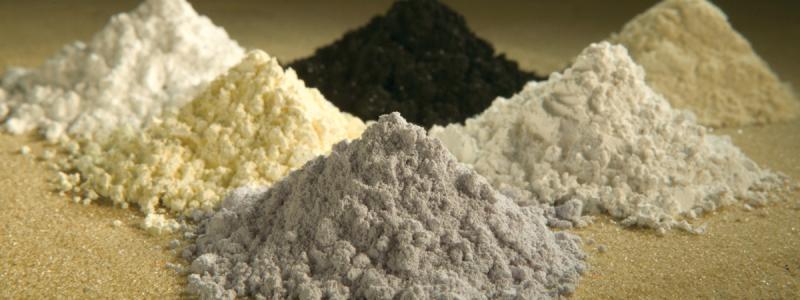
Earlier this year, a Chinese company working with the Tanzanian government reportedly identified a major deposit of the rare earth elements neodymium and praseodymium, materials widely used in electric motors and permanent magnets.
Europe seeks stronger ties with Africa
According to project coordinator Heli Kivisaari at GTK, the cooperation is about more than skills development. It is also intended to build long-term partnerships between Europe and African countries.
European companies have increased their involvement in Africa’s mining sector in recent years through training programmes, laboratory projects and support for mining legislation. The European Union has also established strategic raw materials partnerships with several African countries, including Namibia, Zambia and the Democratic Republic of Congo.
However, Pekka Suomela, chief executive of the Finnish Mining Association, notes that building a strong mining culture takes time.
- A short training programme alone cannot create the expertise and culture required by the mining industry. Much more is needed, he says.
Finnish expertise to be exported
A key element of the Finnish training programme is occupational safety and environmental responsibility. According to REDU Edu, the objective is to transfer the practices developed within the Nordic mining industry.
The project reflects growing demand for critical raw materials such as lithium, cobalt and rare earth elements. Europe aims to reduce its dependence on China while creating opportunities for European and Nordic companies to participate more actively in the development of Africa’s mineral resources.
Source: Yle, REDU Edu, Geological Survey of Finland (GTK)
Fact box:
The Ujuzi na Arija project is funded through the EU’s Global Gateway programme. Its objective is to establish Tanzania’s first structured mining education programme and train approximately 400 students. Finland and Tanzania are already cooperating through GTK and Tanzania’s geological authorities on mineral resource mapping.