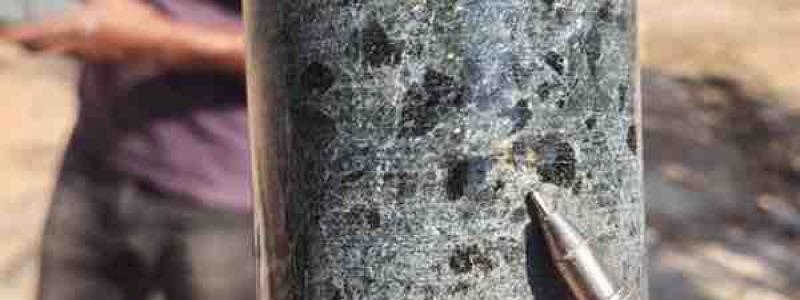
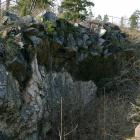

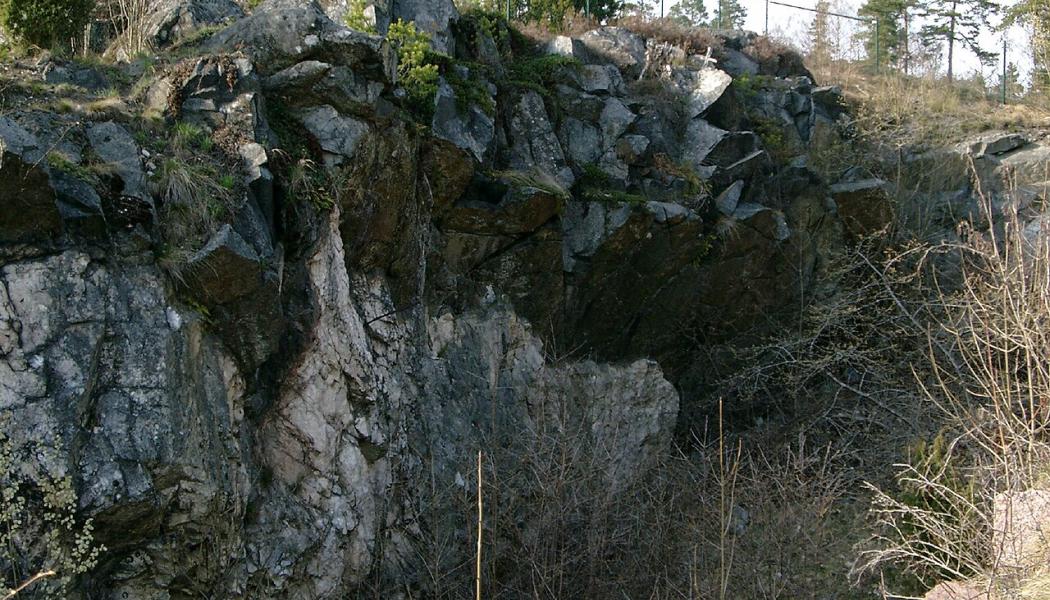
IMC Rare Earths Ltd announced two high-grade yttrium-rich discoveries at its Itarantim ionic adsorption clay rare earth project in Brazil. The results include a shallow, 7-meter intersection at Block H and a 13-meter intersection at Block D that remained mineralized when drilling stopped. The findings are exploration-stage results; further drilling and metallurgical work are required to establish their extent and commercial potential.
"Yttrium accounts for more than a third of the rare earth oxides in the Block H interval," said Frank Scolaro, Chief Executive Officer and Chair of IMC Rare Earths. "This discovery could shape the product we ultimately seek to produce, adding yttrium to the group of rare-earth metals at Itarantim, alongside dysprosium and terbium. Yttrium is used in semiconductor equipment, aerospace components, lasers and advanced ceramics, making these discoveries relevant to efforts to diversify critical-mineral supply chains. Our job now is to establish how far these zones extend and confirm their extraction performance through further testwork."
Next Steps:
Block H: infill and step-out drilling to define the extent, thickness and continuity of the shallow, high-grade yttrium zone, with ammonium sulfate leach testing on all mineralized samples.
Block H starts just 2 meters below surface. 7 meters at 2,052 ppm yttrium oxide, including 3 meters at 2,836 ppm. The peak sample reached 3,099 ppm.
Block D: diamond drilling to test the full yttrium-enriched zone beneath the hill, below the reach of auger drilling, together with step-out drilling around AD-00403 to expand the yttrium-rich and magnet rare earth domains. Block D remains mineralized at the end of the hole. 13 meters at 1,287 ppm yttrium oxide, including 9 meters with an estimated 84% yttrium extraction.
Representative material will be collected for metallurgical testwork at ANSTO in Australia, and leach testwork on this material will provide a direct measure of yttrium extraction from the high-grade zones.
Block H Discovery:
At Block H, hole AD-00555 intersected 7 meters grading 2,052 ppm yttrium oxide (Y2O3) from only 2 meters below surface, including 3 meters at 2,836 ppm and a peak one-meter sample of 3,099 ppm. Yttrium oxide accounted for 36% of total rare earth oxides (TREO) across the interval, compared with a median of approximately 10% in the Itarantim drilling database. Six samples exceeded the ALS leach-solution measurement limit for yttrium; corresponding extraction percentages are estimates derived from measured extraction of other heavy rare earths, not direct yttrium assay measurements.
Block D Discovery:
At Block D, hole AD-00403 returned 13 meters at 1,287 ppm Y2O3 from 14 meters depth, including 3 meters at 2,464 ppm, and ended in mineralization at 27 meters. Within that interval, 9 meters averaged 982 ppm Y2O3 with an estimated 84% yttrium extraction. The broader 13-meter interval also contained 1,457 ppm magnet rare earth oxides (MREO). A deeper diamond hole is planned to test mineralization beneath the hill beyond the reach of existing auger drilling.
Two separate zones contain some of the highest yttrium grades in a database of more than 870 drill holes; follow-up drilling and extraction testing are planned.
Cautionary statement regarding exploration results: The potential quantity and grade of the Block H and Block D yttrium zones are conceptual in nature. There has been insufficient exploration to estimate a mineral resource in these areas, and it is uncertain whether further exploration will result in the estimation of a mineral resource. Estimated yttrium leach extractions are not assay results and are subject to confirmation.