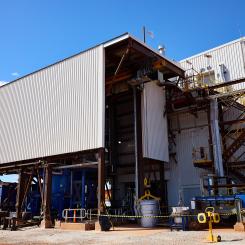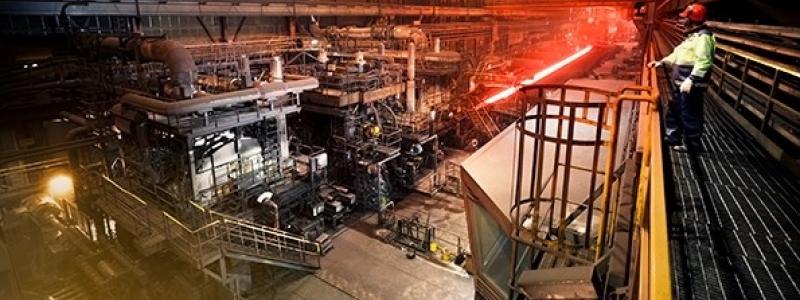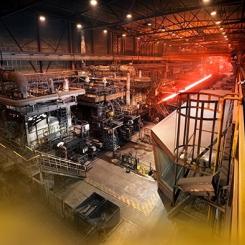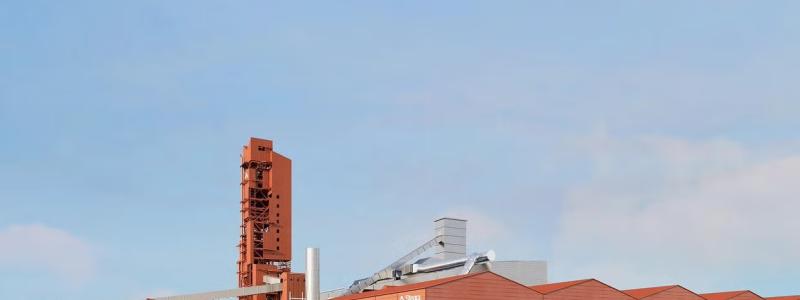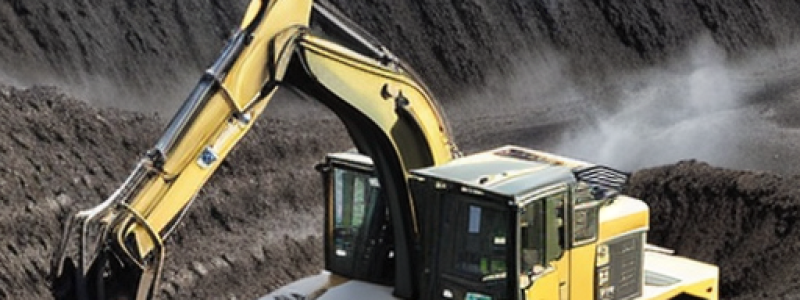
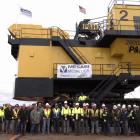

Thyssenkrupp is approaching an agreement on revised public funding conditions for its new steel plant in Duisburg. The facility was designed for a rapid transition to hydrogen but is now expected to rely mainly on natural gas during its initial years because competitively priced clean hydrogen remains unavailable.
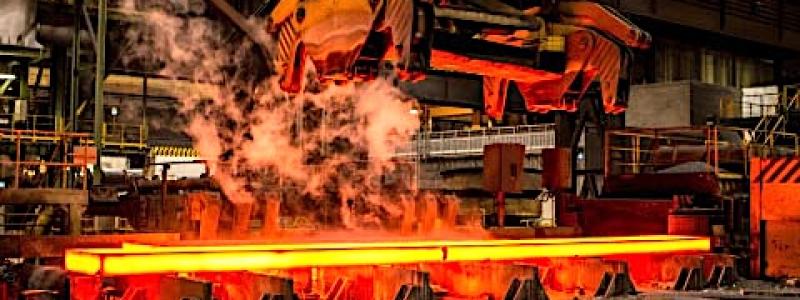
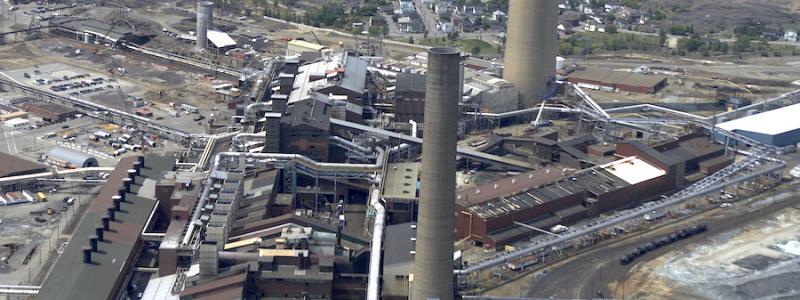
German industrial group Thyssenkrupp is in advanced talks with the federal government to revise the conditions attached to approximately €2 billion in public funding for a new direct reduction plant in Duisburg.
The project is estimated to cost around €3 billion and forms the centrepiece of Thyssenkrupp’s plan to reduce emissions from Europe’s largest integrated steelmaking complex. Germany’s federal government and the state of North Rhine-Westphalia are together providing roughly two-thirds of the financing.
According to Reuters, much of the support was originally conditional on the plant gradually increasing its use of clean hydrogen. Thyssenkrupp has since been forced to postpone this part of the project after hydrogen prices proved substantially higher than the company had anticipated.
The European Commission has now approved the proposed amendment under EU state-aid rules. This allows the German government to revise the funding decision so that payments can continue even if hydrogen is not used on a large scale during the plant’s first years of operation.
From coal to gas – and eventually hydrogen
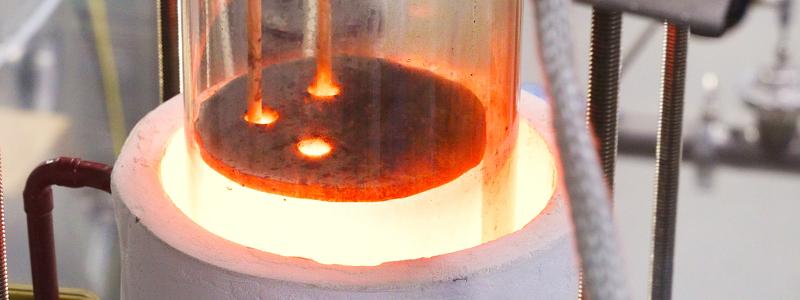
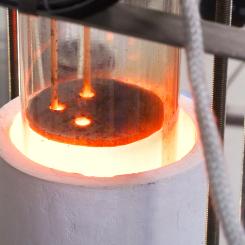
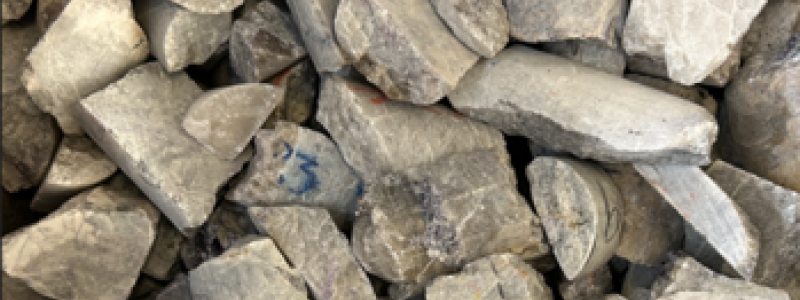
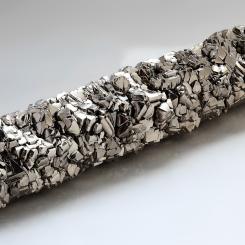
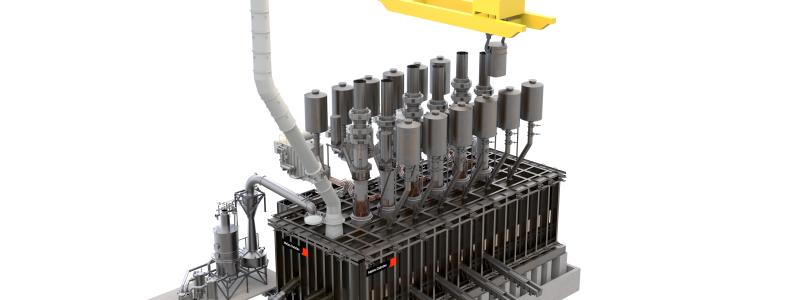
Direct reduced iron, or DRI, is produced by removing oxygen from iron ore with a reducing gas instead of using coke in a conventional blast furnace. The process can operate with natural gas, hydrogen or a mixture of both.
Natural gas still produces carbon dioxide, but emissions are significantly lower than those from coal-based blast-furnace production. When renewable hydrogen is used, the main by-product from the reduction process itself is water vapour.
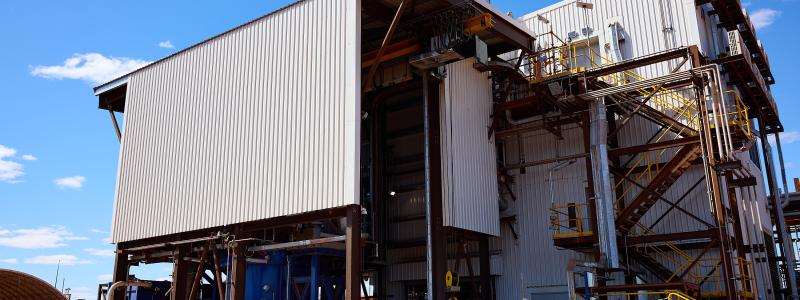
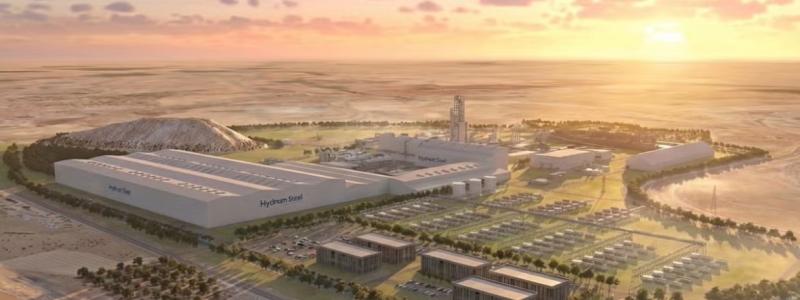
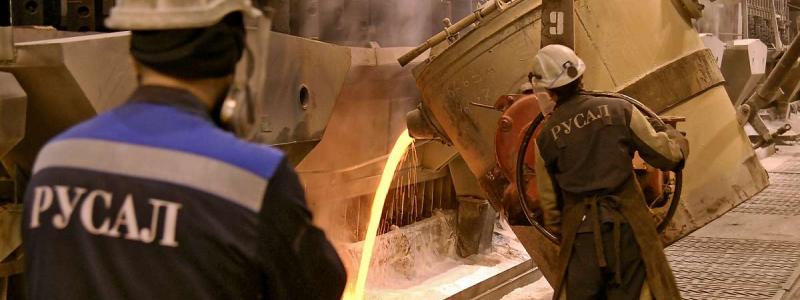
The new Duisburg facility is designed to operate entirely on hydrogen. It will have the capacity to produce approximately 2.5 million tonnes of direct reduced iron annually, corresponding to around 2.3 million tonnes of hot metal after further processing.
Thyssenkrupp says that using natural gas in the direct reduction process can cut greenhouse gas emissions by more than 60 per cent compared with a conventional coal-fired blast furnace. The original plan for a rapid transition to hydrogen would have delivered substantially larger reductions over time.
The project therefore remains a major industrial decarbonisation investment. Production will not, however, be emissions-free while natural gas remains the principal reducing agent.
Hydrogen procurement process suspended
Thyssenkrupp launched a tender in 2024 for supplies of both green and blue hydrogen. The plan called for deliveries of 104,000 tonnes in 2028 and 143,000 tonnes annually between 2029 and 2035. The requested volume would then have increased to 151,000 tonnes in both 2036 and 2037.
Green hydrogen is produced by splitting water through electrolysis powered by renewable electricity. Blue hydrogen is generally made from natural gas, with part of the resulting carbon dioxide captured and stored.
The procurement process was later put on hold because the prices offered were considerably higher than Thyssenkrupp’s original assumptions. The problem reflects wider conditions in the European hydrogen market, where many production facilities and pipeline projects have been delayed while developers wait for binding purchase agreements, financing and clearer regulations.
According to Hydrogen Insight, the original support package included an initial grant of €550 million. The remaining funding was conditional on Thyssenkrupp progressively increasing hydrogen use and reaching 100 per cent by 2037.
Under the revised conditions, payments could continue even if the plant initially operates mainly on natural gas. A detailed timetable for switching to hydrogen has not yet been disclosed.
– We are very pleased that the European Commission has approved the planned amendment to the funding rules currently in force and has already confirmed that they are fully compliant with EU state-aid law, Thyssenkrupp Chief Financial Officer Axel Hamann said, according to Reuters.
He added that the federal government can now implement the amendment and adjust the individual funding decisions accordingly.
A significant test for Europe’s steel industry
Thyssenkrupp maintains that its long-term ambition to use hydrogen remains unchanged. The company is preparing a new hydrogen tender in consultation with the authorities responsible for the funding, but has not yet disclosed expected volumes or delivery dates.
The revision illustrates how Europe’s plans for climate-neutral steelmaking are being squeezed by the gap between political objectives and the actual cost of energy and hydrogen. Steelmakers must invest in new production systems several years before a sufficiently large hydrogen market and the necessary infrastructure are available.
The revised agreement could allow Thyssenkrupp to complete the plant and achieve substantial near-term emissions reductions by replacing coal with natural gas. At the same time, there is a risk that gas will remain in use longer than planned if renewable hydrogen continues to be expensive or difficult to obtain.
The project will consequently become an important test of whether so-called hydrogen-ready industrial facilities actually convert to clean hydrogen as the market develops. The transition requires more than technically compatible steel plants. It also depends on electrolysers, sufficient supplies of low-carbon electricity, storage facilities, pipelines and long-term supply agreements.
When the European Commission approved the original support package in 2023, the Duisburg project was described as a catalyst for Europe’s hydrogen economy. The revised conditions instead demonstrate that the steel transition may have to proceed in stages: first from coal to natural gas and later, if supply and prices permit, from natural gas to hydrogen.
Sources: Reuters, Hydrogen Insight, the European Commission’s State Aid Register and Thyssenkrupp Steel.