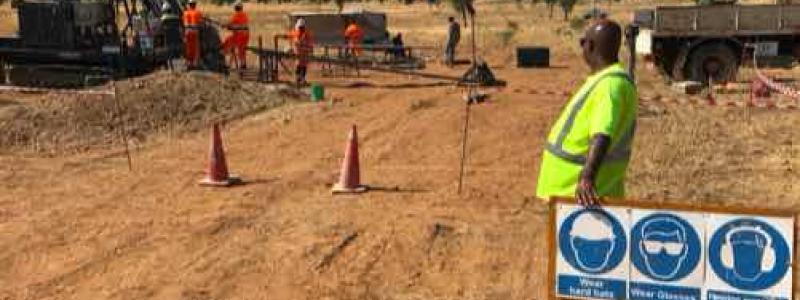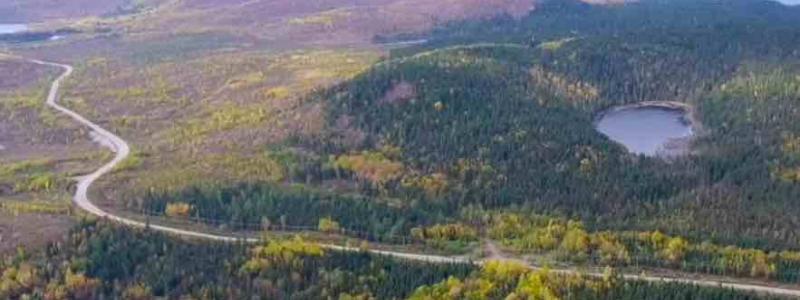
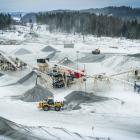
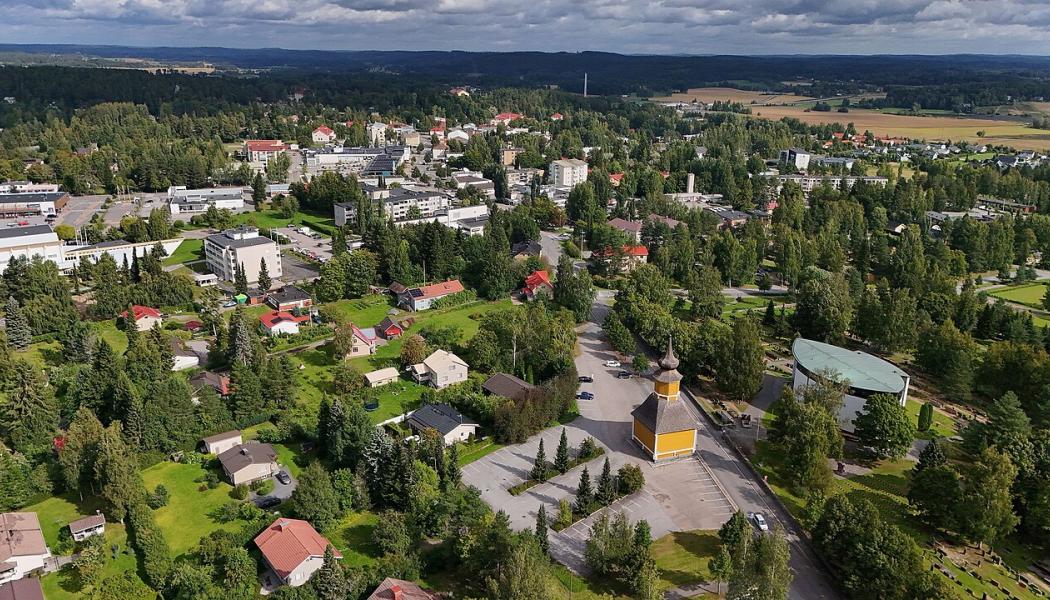
Plans to explore for lithium in the Finnish municipality of Orivesi have triggered strong opposition from both local politicians and residents. Although a future mining project could bring jobs and tax revenue, the municipality wants to stop exploration activities at an early stage.
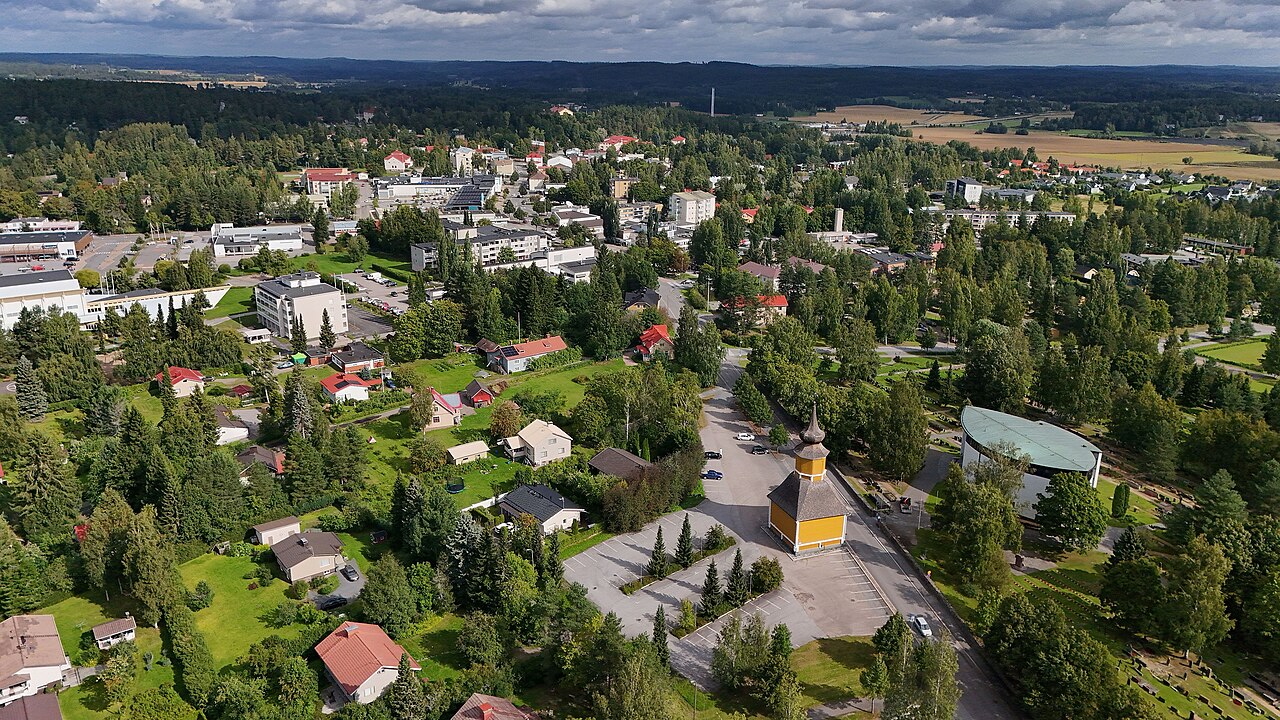
The project is led by the Australian-owned exploration company Battery 3 Finland, which plans to investigate lithium deposits in the village of Eräjärvi.
The company has already received a permit to conduct exploration in one area, while a second permit application is still under review.
However, the municipal leadership in Orivesi, located about 20 kilometres from Tampere, has made its opposition clear.
– The location is not suitable for mineral exploration because the areas are located in the middle of residential areas and the village of Eräjärvi. There is nature, tourism, holiday homes and local livelihoods here, says Orivesi city manager Juha Kuusisto, according to the Finnish broadcaster Yle.
Municipality appeals exploration permit
The municipality already opposed the exploration permit in spring 2025. Despite this, Finland’s mining authority Tukes approved one of the exploration licences in October that year.
Orivesi subsequently appealed the decision to the administrative court in Hämeenlinna. A local environmental association and several private individuals have also filed separate appeals.
Opposition to the project mainly centres on concerns about environmental impacts, particularly on water systems and the surrounding nature.
Speaking in a restaurant in Eräjärvi, local residents Laura Jussila and Miia Sirén describe their concerns.
– The worst outcome would be if the environment changes. Water systems must absolutely not be destroyed. There are also groundwater areas here, says Laura Jussila, an entrepreneur and landowner whose property lies within the planned exploration area.
Miia Sirén hopes the project will not move forward.
– I think it sounds terrible. I am afraid the nature here could suffer serious damage.
Past mining experiences shape opinion
A former gold mine operated by Dragon Mining drew heavy criticism after an illegal waste-disposal site was discovered in 2018. In addition, fish and crayfish populations in the nearby lake Ala-Jalkajärvi were destroyed due to high metal concentrations.
According to city manager Kuusisto, these experiences have contributed to scepticism toward new mining projects.
At the same time, the municipality acknowledges that a potential lithium discovery could bring economic benefits.
Possible job creation and increased tax revenue have been discussed, but local authorities believe the risks to nature and living conditions outweigh the potential gains.
Global demand for lithium is increasing
Demand for lithium has increased rapidly in recent years as the metal is widely used in batteries for electric vehicles, mobile phones and computers.
Finland has become an important area for lithium exploration. In Kaustinen in Central Ostrobothnia, the mining company Keliber recently started lithium extraction.
The ore is expected to be refined in Kokkola, where Europe’s first production of battery-grade lithium chemicals is planned. According to the company, the project has already created around 350 jobs.
Battery 3 Finland says the Eräjärvi area became interesting after earlier studies conducted by the Geological Survey of Finland.
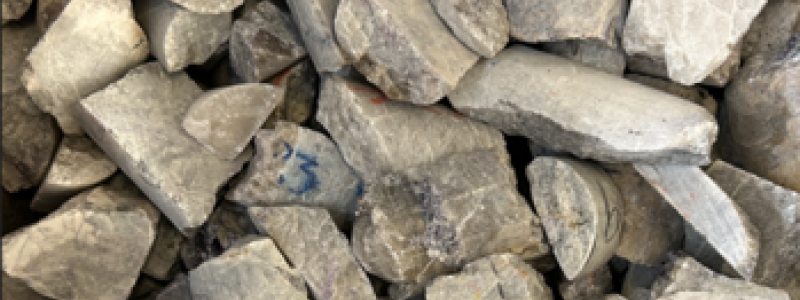
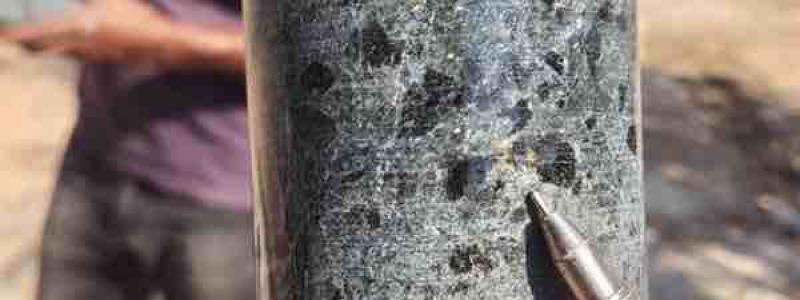
– Previous research indicates the presence of spodumene pegmatite rocks that may contain lithium in potentially interesting concentrations, says company representative Tapani Hyysalo.
At the same time, he emphasises that the company focuses solely on exploration.
– If we identify promising deposits, they will be developed further in cooperation with a mining company.
The municipality has the final say
Under Finland’s current mining legislation, the municipality ultimately decides whether a mine can be built.
– The municipality has the planning monopoly. If the municipality does not want mining activity in its area, a mine will not be built, says Tapani Hyysalo.
Nevertheless, Orivesi wants to halt the process already during the exploration phase.
– If a mine is not wanted, there are no grounds for exploration either, says city manager Juha Kuusisto.
According to the Association of Finnish Local and Regional Authorities, an early and consistent negative stance may strengthen a municipality’s position if disputes later reach the courts.
Source: Yle, interviews and official information.
Fakta:
Lithium is a key raw material used in modern batteries, particularly for electric vehicles and consumer electronics. As global demand increases, exploration for lithium deposits has intensified. At the same time, new mining projects often face local opposition due to concerns about environmental impacts, water resources and nearby communities. Finland hosts several known lithium deposits and is considered an important part of Europe’s emerging battery supply chain