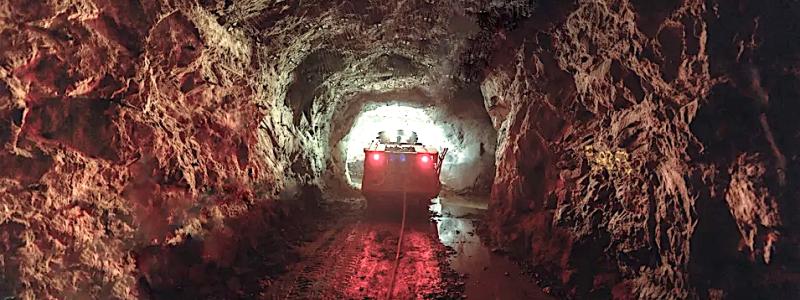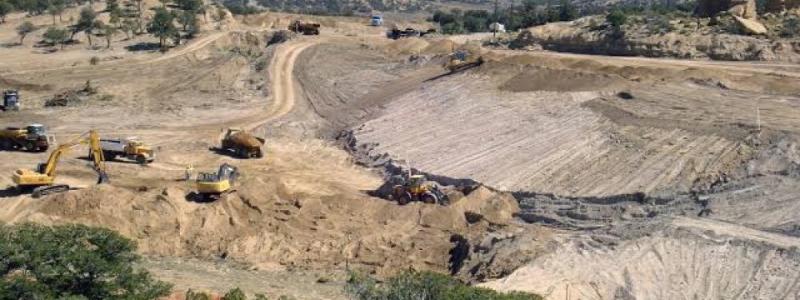

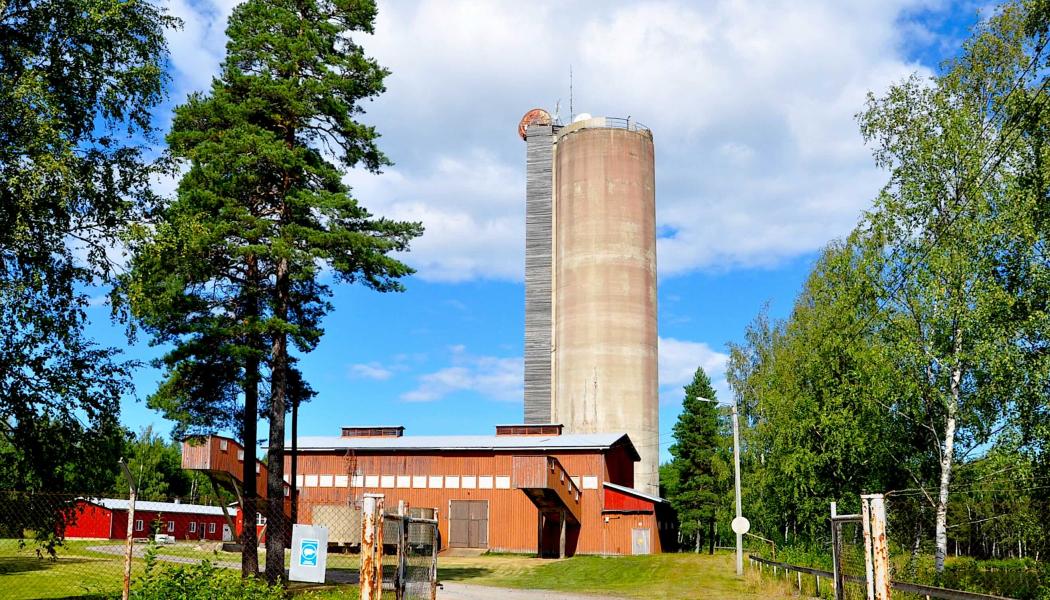
A comprehensive environmental investigation of the abandoned lead mine in Korsnäs in Finland’s region of Ostrobothnia has now been published. The report, which exceeds 300 pages, concludes that the site does not currently pose an immediate risk to human health or the environment. At the same time, the study warns that metal contamination of nearby waters may continue for decades – possibly even centuries.
The findings are based on field studies and monitoring conducted between 2022 and 2024. The research forms part of the KAJAK project, in which Finland’s licensing and supervisory authority examines environmental and health risks linked to abandoned mining waste sites without a responsible operator.
The investigation was carried out by consulting firm Ramboll Finland Oy.
– Based on the results, observations and risk assessment, the area around the former lead mine does not currently cause harm to the environment or human health. There is therefore no urgent need for remediation, says Ramboll Finland project manager Hanna Tolvanen in a press statement.
Heavy metals remain in mine waste
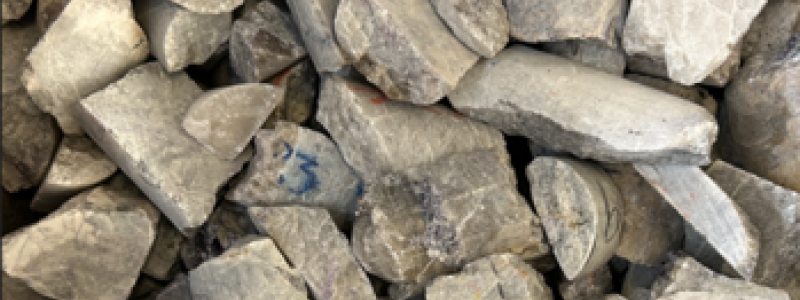
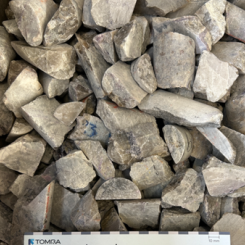
Researchers examined concentrations of heavy metals in mining waste, soil, sediments, surface water and groundwater. Mushrooms growing in the area were also analysed, as well as metal levels in fish living in the water-filled open pit.
In addition, the team measured radioactive radiation from both mining waste and water.
Although the site is not considered an immediate environmental hazard, significant quantities of heavy metals remain in the waste material. For that reason, the report recommends that the current access ban at the mine site should remain in place.
The study also proposes restrictions on picking berries and mushrooms in areas where mining waste is present. On the eastern side of the open pit, there is also a zone at risk of collapse, which should be fenced off to prevent entry.
Metal pollution may persist for decades
According to the risk assessment, the release of metals into nearby surface waters will likely continue at roughly the current level for many decades, and potentially for several hundred years.
Over the long term, mining waste may generate acidic drainage, which could increase the amount of metals transported to the sea through ditches and runoff from the site.
However, the bedrock in the Korsnäs area naturally contains the mineral calcite, which may help neutralise acidic water and reduce the scale of metal pollution.
– The report recommends that monitoring of surface waters in the mining area continues to ensure that environmental conditions remain stable, says Tolvanen.
The investigation also recommends monitoring vegetation development on waste areas where trees have been cleared. According to the report, the overall environmental situation should be reassessed in 2035.
Historic mine still draws industrial interest
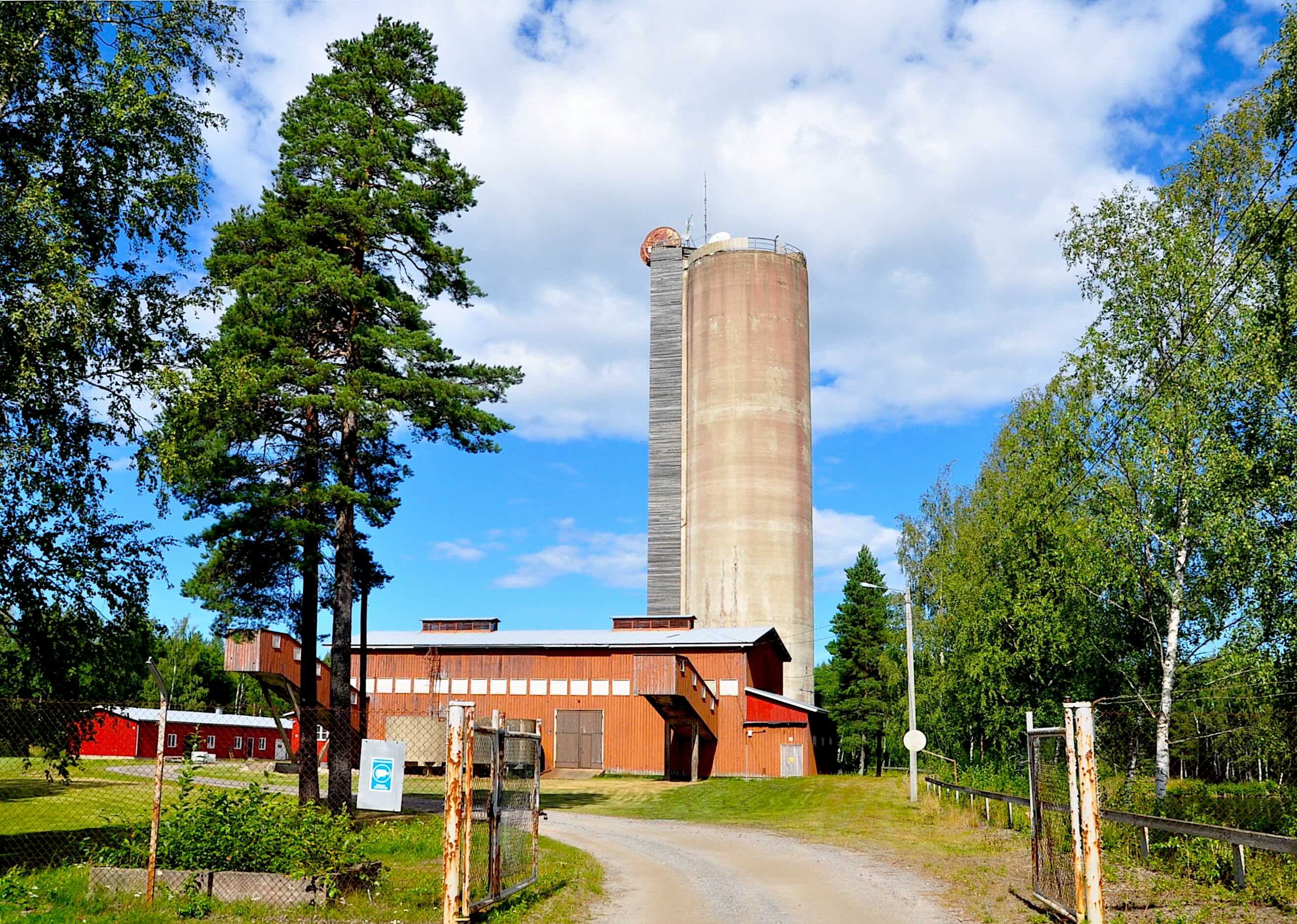
The Korsnäs mine was once Finland’s only lead mine. During the 1960s, the mining company Outokumpu extracted around 100,000 tonnes of raw ore annually. In total, approximately 870,000 tonnes of ore were mined before operations ended.
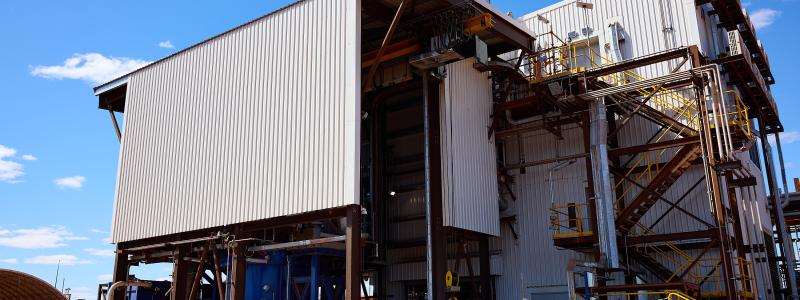
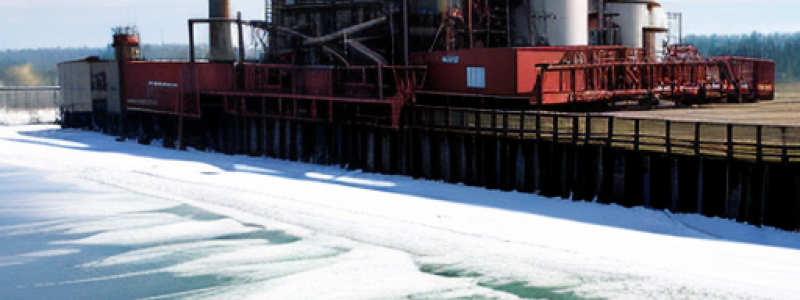
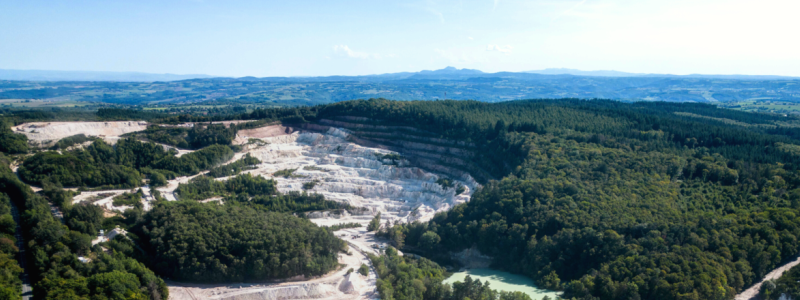
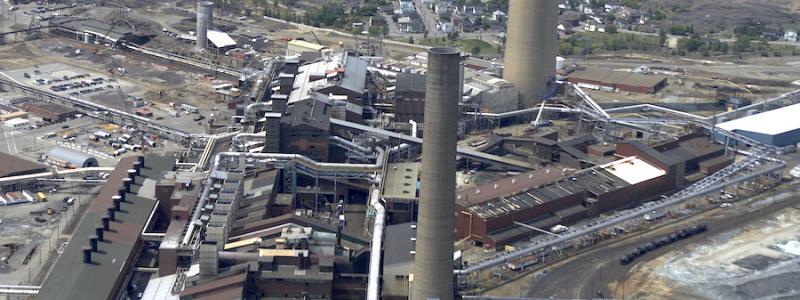
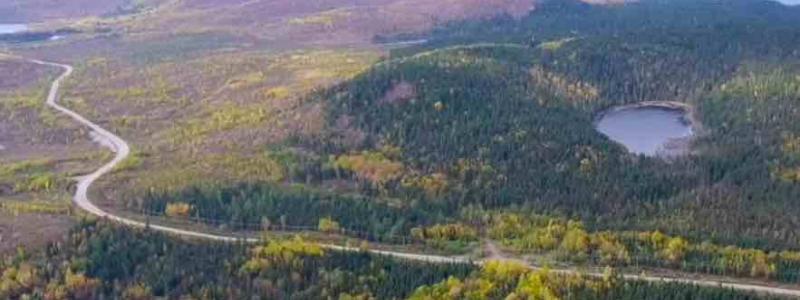
Large quantities of mining waste remain at the site, along with shafts, open pits and abandoned industrial buildings.
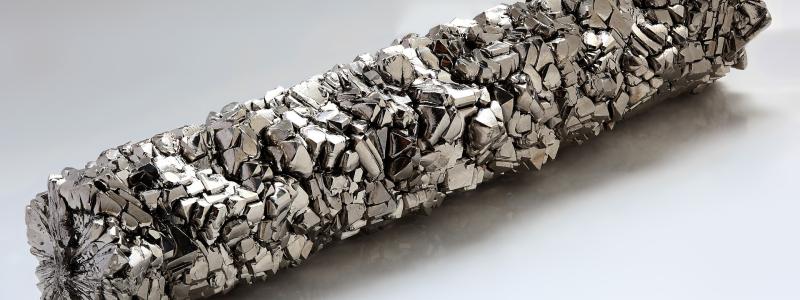
Despite the environmental challenges, the area continues to attract industrial interest. Historical geological data suggest the presence of rare earth elements in the region – raw materials increasingly sought after for electronics, advanced manufacturing and energy technologies.
At the same time, the new report highlights a broader issue facing many countries. Old mines can continue to affect surrounding ecosystems long after operations cease, particularly when large volumes of mining waste remain without a responsible owner.
Such legacy sites often require long-term monitoring and environmental management, as heavy metals can slowly migrate into soils and waterways for decades.
Source: Yle
Fact check:
Finland’s KAJAK project investigates environmental risks at abandoned mining waste sites that lack a responsible operator. Similar legacy problems exist at many historic mines across Europe, where heavy metals may continue leaking into soil and water long after mining activities have ceased.