Finland’s government is allocating €65 million to move the Sokli mining project forward in Savukoski, deep in Finnish Lapland. The money will go to the state-owned mining company Finnish Mineral Group and will be used during the project’s pre-feasibility phase, with the focus on running a test mine between 2026 and 2028.
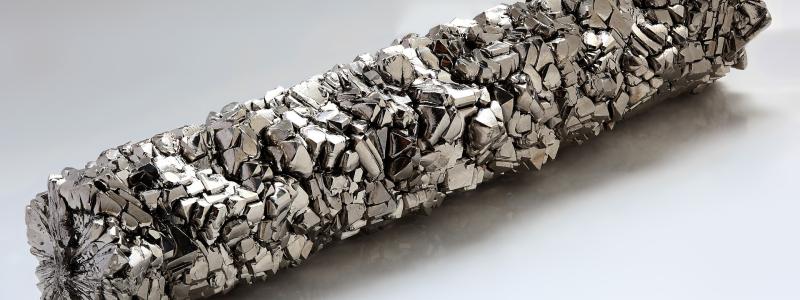
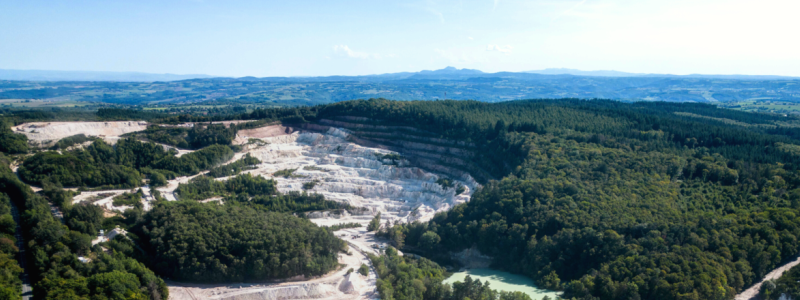
The plan is to examine how phosphate, niobium and rare earth elements could be extracted from the deposit, which lies in a sparsely populated wilderness area near the Russian border. The state’s decision underlines how strategic raw materials have moved higher up the political agenda in both Finland and the EU, even as major questions remain over permits, environmental effects and the long-term economics of the project.
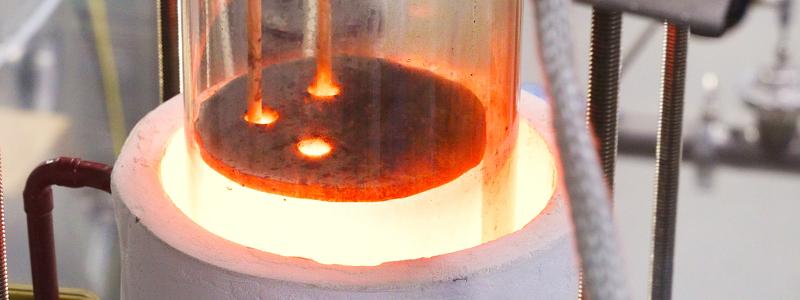
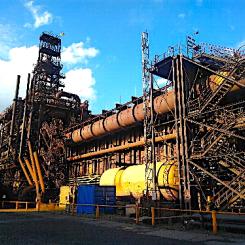
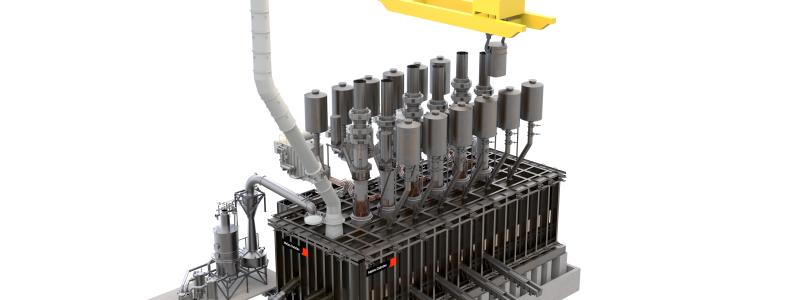
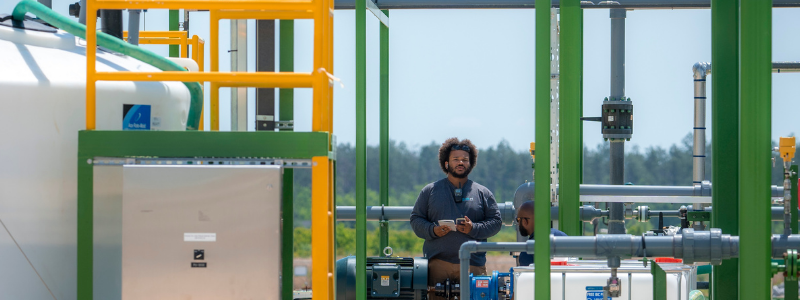
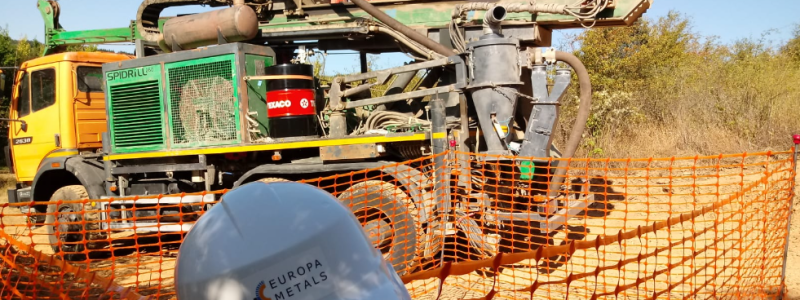
The trial phase is expected to include both a test pit and a pilot concentrator plant. Researchers and engineers will use the operation to determine how the ore can be mined and processed on a larger scale. According to the project plan, the test operation would aim to produce about 15,000 tonnes of phosphate concentrate and 2,500 tonnes of iron concentrate per year. The possibility of producing rare earth elements will also be assessed during the same period.
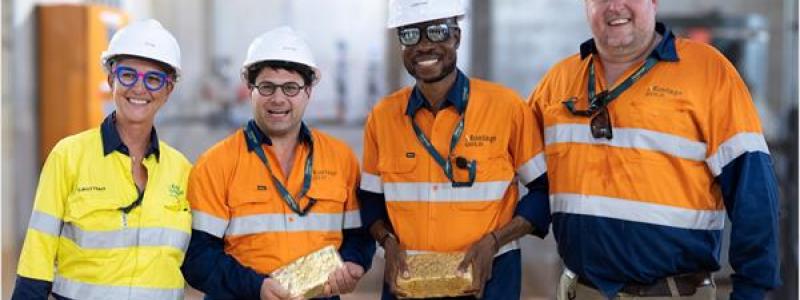
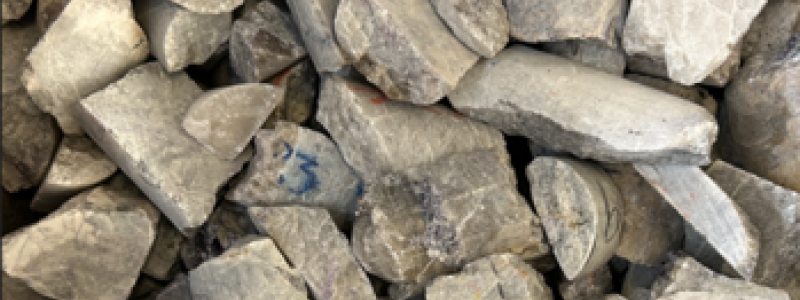
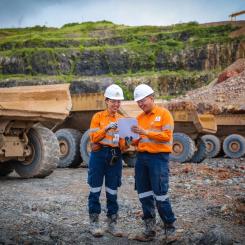
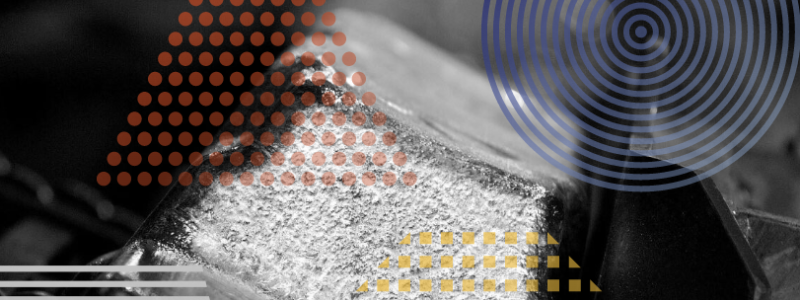
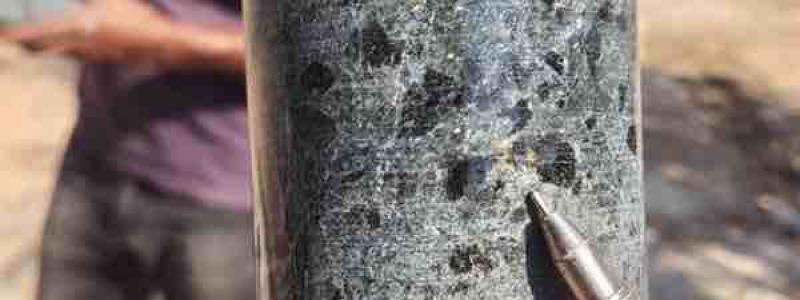
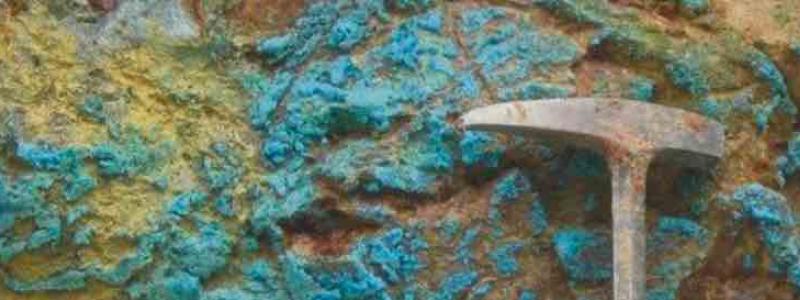
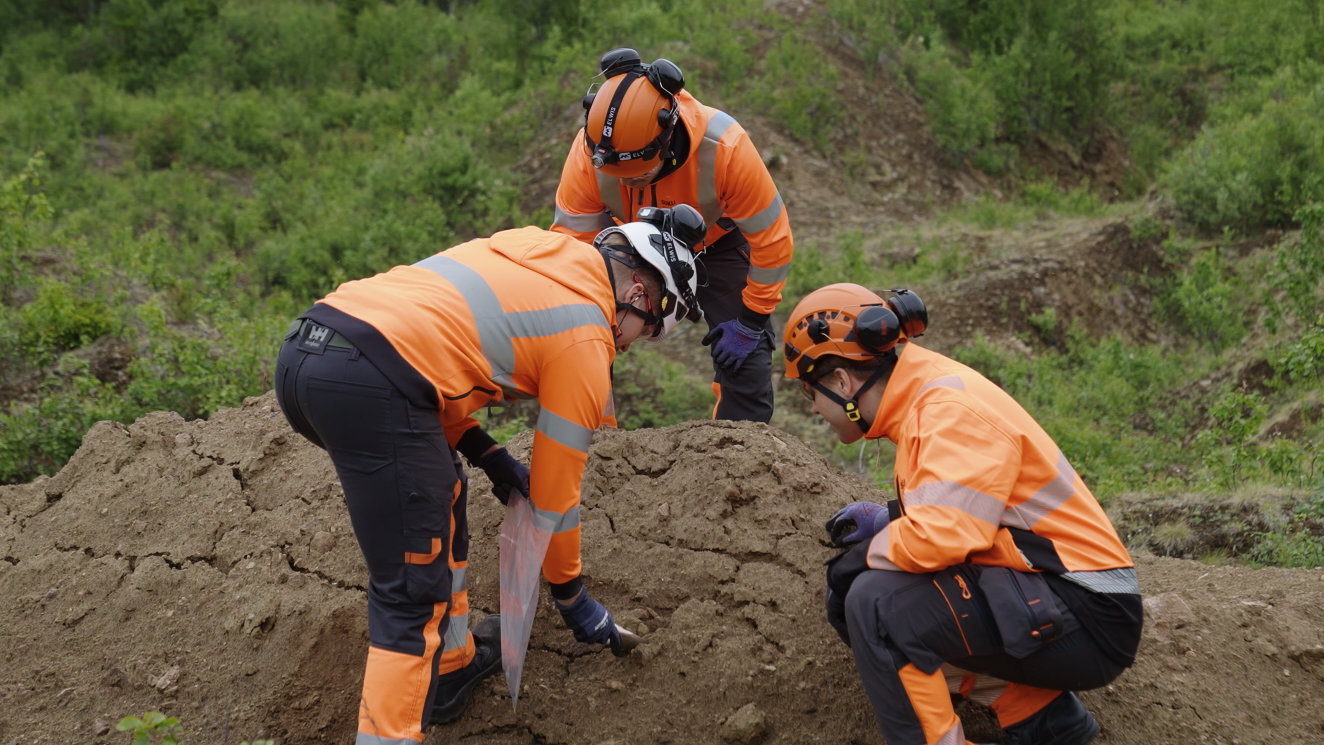
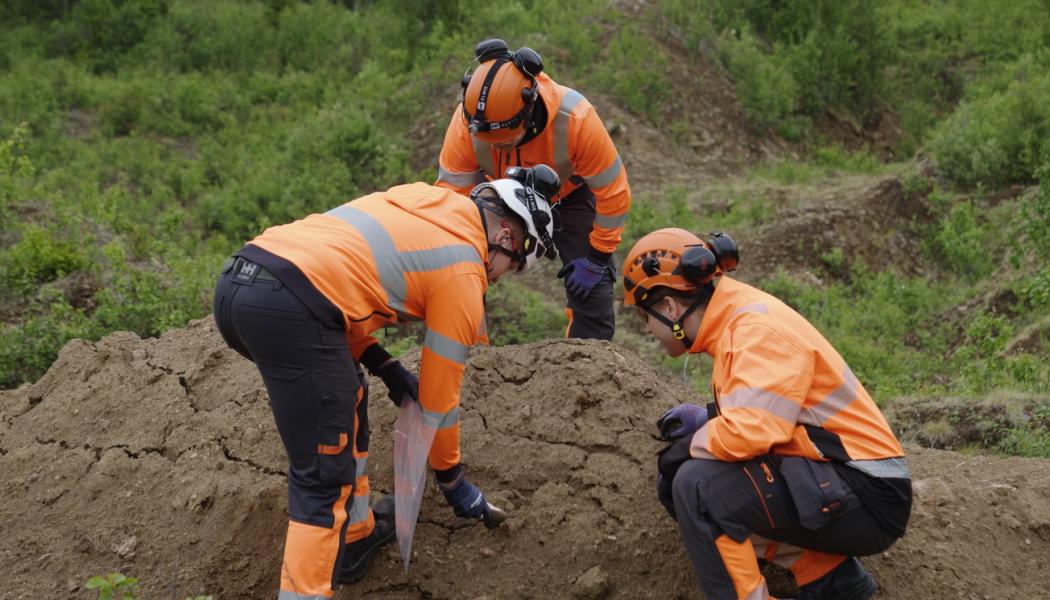
Pasi Heino, project manager at Sokli Oy, and Tuomas Gråsten, project geologist at Finnish Mineral Group, have previously been examining rock samples from the area as part of the wider mapping and evaluation of the deposit.
Test mining still awaits the key permit
Despite the new funding, the project is still waiting for a crucial regulatory decision. Environmental approval for the test operation has not yet been granted, and a decision from Finland’s permitting and supervisory authority is expected during the summer. A full environmental impact assessment for any future commercial mine is also due to begin later this year.
That means the new state money does not remove the biggest uncertainties surrounding Sokli. Mining projects of this scale are often delayed not only by technical and market issues, but also by environmental reviews, legal appeals and infrastructure costs. In Sokli’s case, the remote location adds another layer of complexity. Roads, grid connections and other support systems would require substantial investment before large-scale extraction could begin.
EU raw material strategy adds momentum
Sokli is regarded as one of Europe’s more significant potential deposits of rare earth elements. These materials are used in electronics, magnets, batteries and a wide range of industrial applications. Phosphate is also strategically important, especially for fertiliser production.
“If the project is realised, it could have major significance for the EU’s mineral self-sufficiency,” Finland’s Minister for European Affairs and Ownership Steering, Joakim Strand, said in a statement cited by the original source.
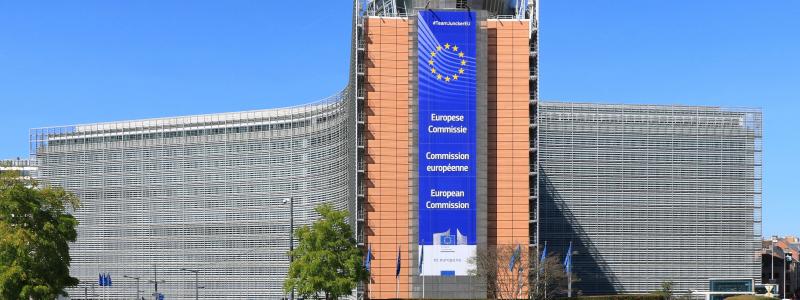
The EU has been trying to reduce its dependence on imported raw materials, particularly from China, which dominates processing and supply chains for several critical minerals. That broader push has revived interest in projects that might previously have struggled to attract political attention or public financing.
Finland’s Minister of Economic Affairs, Sakari Puisto, also highlighted the possible regional effects of the investment.
“The project would strengthen the local economy in Savukoski and across Lapland more broadly,” he said.
According to the minister, the mine project could also lead to new infrastructure in the area, including power networks and roads, which in turn could affect other industries and local business activity.
Long-running project in a sensitive area
The Sokli project has been discussed for decades. The mineral deposit was identified as early as the Soviet era, but development has repeatedly been delayed by economic, technical and environmental concerns. That history is a reminder that a large mineral resource does not automatically become a viable mine.
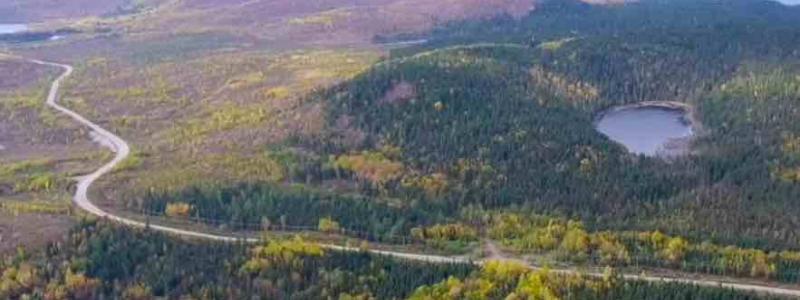
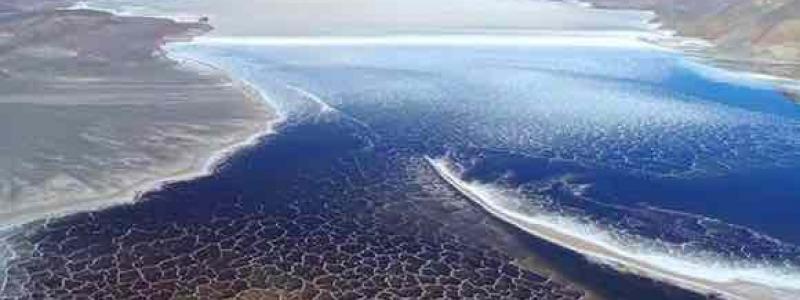
The site is located in a relatively undisturbed wilderness area in eastern Lapland, and any full-scale mining operation could have significant consequences for the natural environment and for reindeer herding. Those concerns are likely to become more prominent as the project moves from exploration and testing to formal impact assessments and permit decisions.
At the same time, pressure is building across Europe to secure access to critical raw materials for industry. That has brought projects such as Sokli back into focus. But the political appeal of domestic mineral supply does not erase the trade-offs. New mines can improve access to strategic materials, yet they also bring environmental risk, high capital costs and long timelines before any commercial return is guaranteed.
Source
Sokli Oy / Yle
Fact check
Rare earth elements are a group of 17 metals used in electronics, magnet technology and industrial processes. Despite the name, many are relatively common in the Earth’s crust, but they are often found in low concentrations and are difficult to extract economically. China currently accounts for a large share of global production and processing.