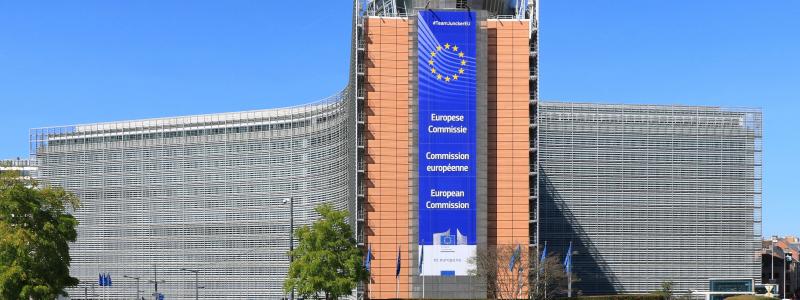
The European Commission has unveiled the long-awaited Industrial Acceleration Act (IAA), proposing a new rule requiring at least 25 per cent of all steel used in publicly funded projects to be classified as low-carbon steel from 1 January 2029.
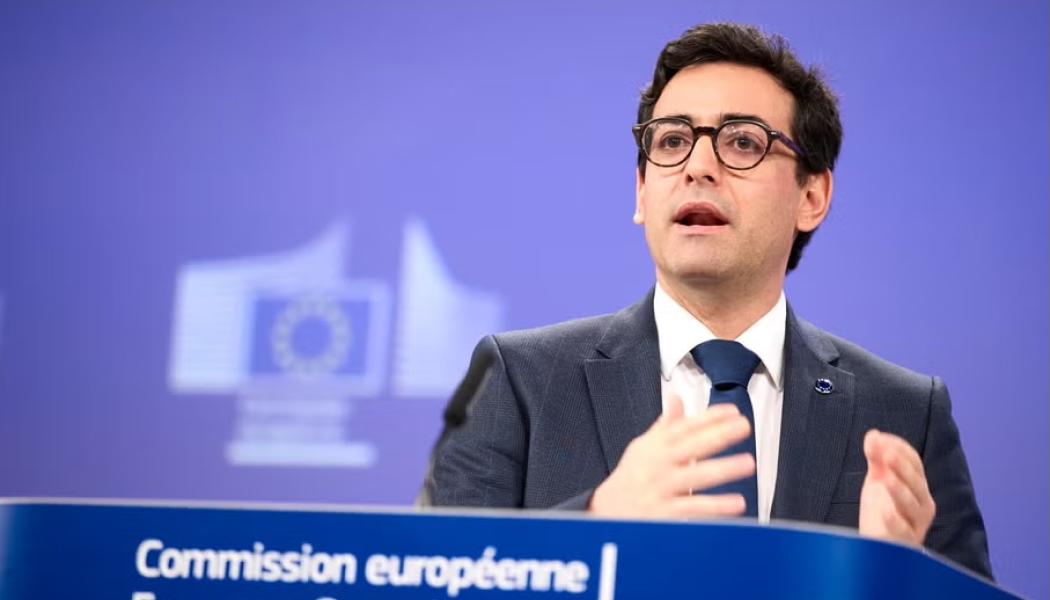
The proposal, presented in Brussels by Stéphane Séjourné, the European Commission’s executive vice-president for prosperity and industrial strategy, must still be approved by both EU member states and the European Parliament before it can enter into force.
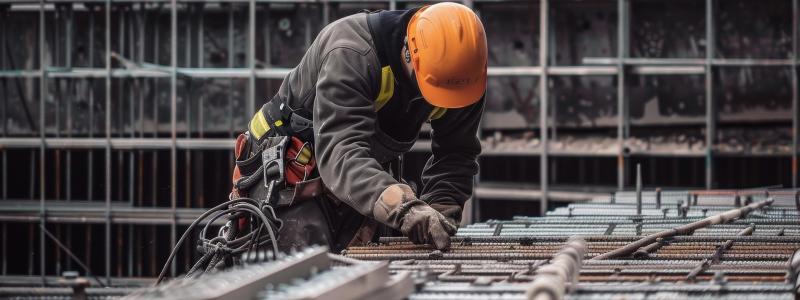
If adopted, the rule would apply to steel used in construction projects, infrastructure and vehicle manufacturing when public procurement or government subsidies are involved.
The measure forms part of the EU’s broader strategy to create so-called “lead markets” for energy-intensive industries such as steel and cement.
Public procurement to create demand
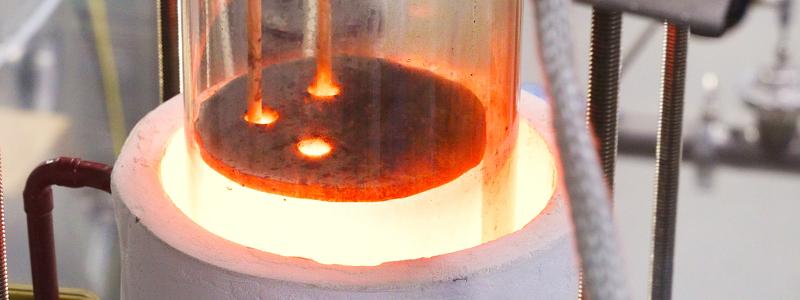
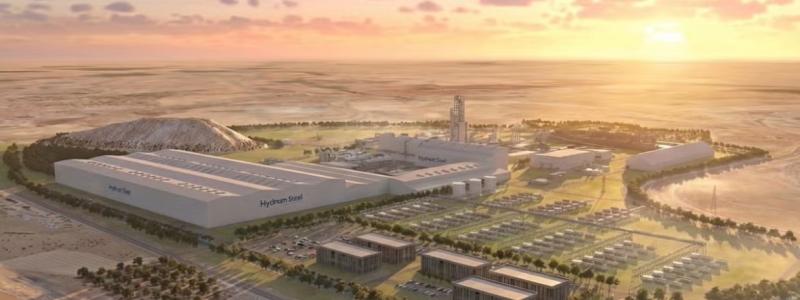
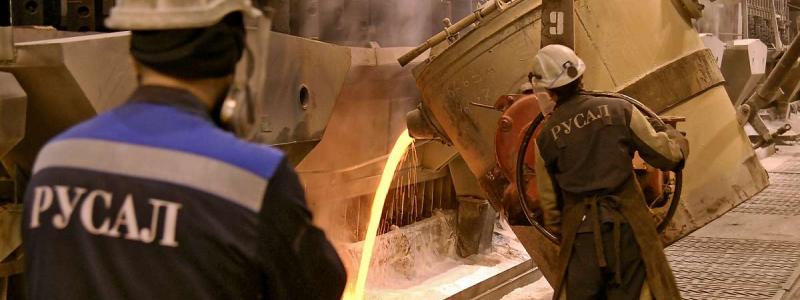
The Commission intends to use public spending as a tool to stimulate demand for materials considered to have lower emissions. Among the technologies that could benefit are steel production methods using hydrogen-based processes.
From 2029 onward, projects receiving state subsidies would also have to ensure that at least 25 per cent of the steel used meets the low-carbon criteria.
In practice, this could affect a range of industrial developments supported by public funds, including facilities linked to hydrogen production or other emerging industrial technologies.
One factor behind the proposal is the so-called green premium in steel production. Steel produced using hydrogen-based direct reduced iron (DRI) technology is currently estimated to be 20 to 30 per cent more expensive than conventional steelmaking methods.
By mandating a minimum level of demand through public procurement, EU policymakers hope to reduce investment risks for companies considering such technologies.
The definition of low-carbon steel is still unclear
A key uncertainty remains – the EU has not yet provided a precise definition of what qualifies as low-carbon steel.
The Commission plans to introduce a new labelling system and methodology to measure emissions from steel production. These rules are expected to be set out in a forthcoming delegated act linked to the Ecodesign for Sustainable Products Regulation.
The framework is likely to distinguish between two main forms of steel production.
– Primary steel is produced from iron ore.
– Secondary steel is produced from recycled scrap.
According to the draft legislation, a higher proportion of recycled material may reduce the emissions threshold required for a product.
– In designing labelling and information requirements based on performance thresholds for different products, such thresholds should take account of the recycled content of the industrial product, with the threshold decreasing as recycled content increases, where relevant, the legislation states.
The final details of these rules could determine which production technologies gain the most advantage from the policy.
Steel industry warns of import risks
The European Commission argues that the Industrial Acceleration Act will strengthen Europe’s industrial base during a period of rising geopolitical and economic uncertainty.
– European industry is facing an unprecedented period of global uncertainty and unfair competition. The provisions of this Act will boost demand and secure resilient supply chains in strategic sectors, said Stéphane Séjourné during the press conference in Brussels.
He also suggested that directing public funds toward domestic production could help support jobs and strengthen economic resilience.
However, parts of the European steel sector have criticised the proposal. The industry association Eurofer pointed out that the new rule does not require the low-carbon steel to be produced within the EU.
– The proposal requires 25 per cent of steel in public procurement and public support schemes to be low-carbon – yet it does not require that this steel be produced in Europe, a spokesperson for Eurofer said.
According to the organisation, this could create unintended consequences for the European steel industry.
– Twenty-five per cent of public procurement represents less than five per cent of the total steel market. Without stronger and clearer demand signals, these measures may not provide the long-term certainty needed for major industrial investments.
– For lead markets to work, the EU must ensure it supports low-carbon steel made in Europe, not produced in third countries.
Source: Hydrogen Insight / European Commission
Fact check:
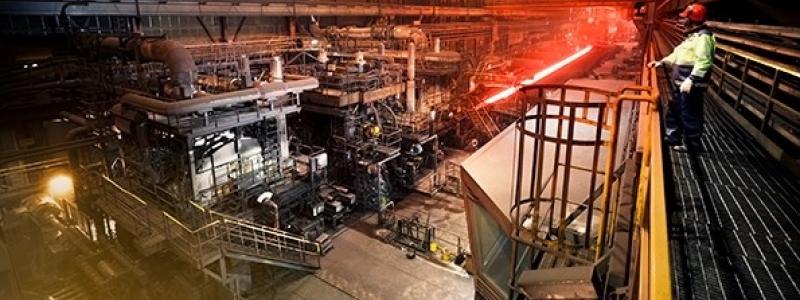
The European Union produces roughly 150 million tonnes of steel each year, and the sector directly and indirectly employs hundreds of thousands of people. Steel production accounts for about 5 to 7 per cent of the EU’s total carbon emissions. Several European steelmakers are exploring hydrogen-based production technologies, but many projects still rely on large subsidies and face uncertain long-term market conditions.