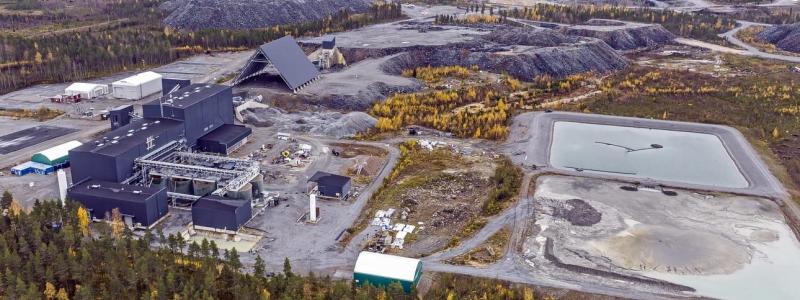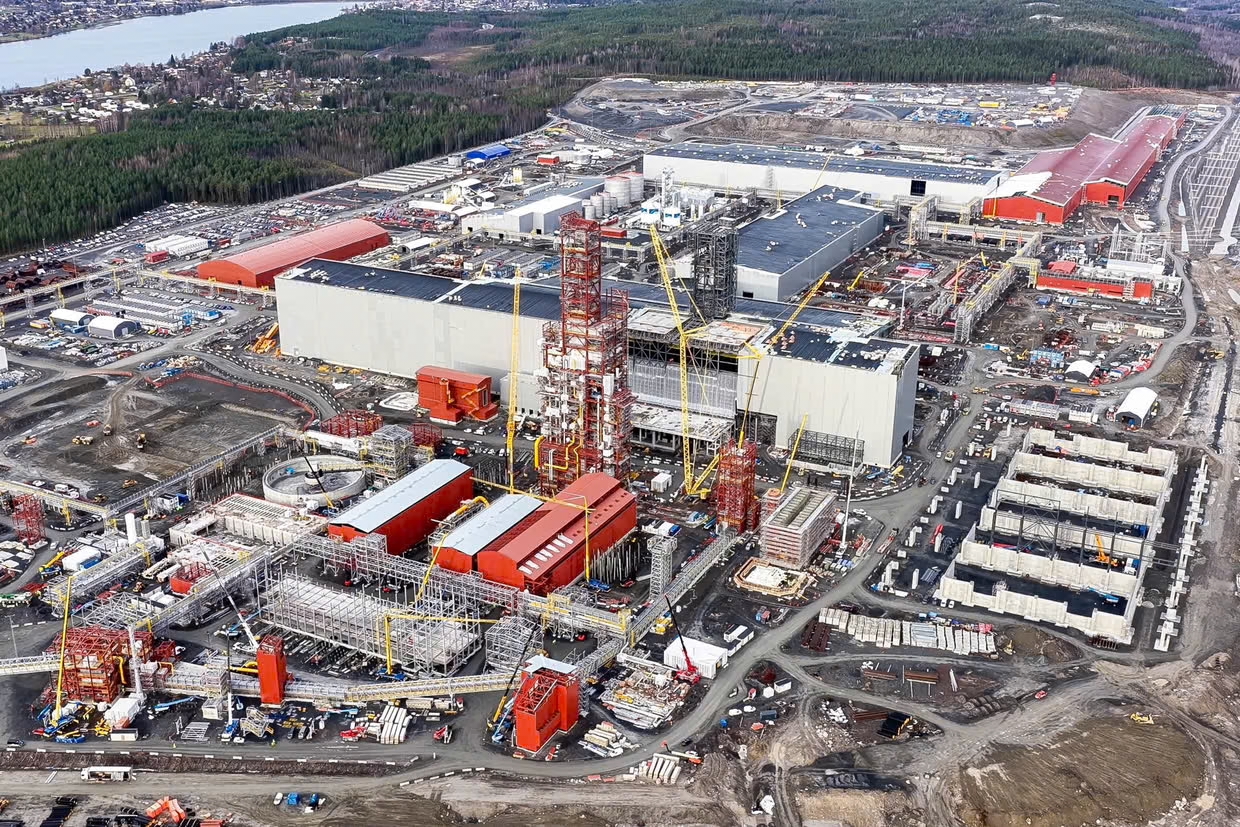
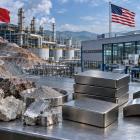
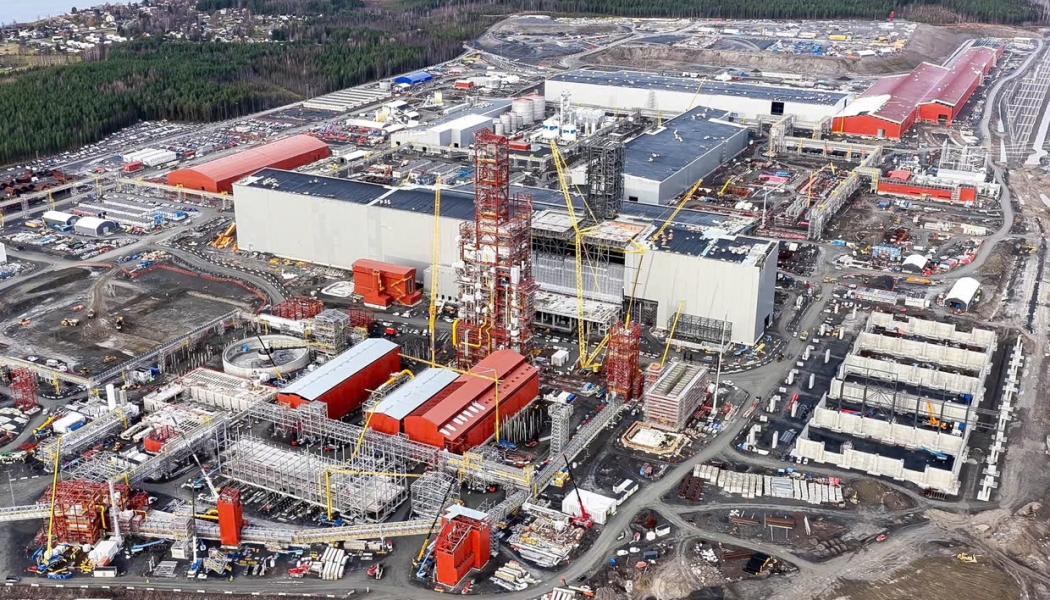
Meta has signed a multi-year agreement to purchase environmental attribute certificates linked to Stegra’s future steel production in Boden, northern Sweden. The deal aims to address emissions in the technology company’s supply chain, including steel used in data centres, without requiring Meta to take physical delivery of the material.
The certificates, known as EACs, will be associated with steel from Stegra’s plant, which remains under construction. In its announcement on November 12, Stegra said the certificates would be verified by an accredited independent third party.
The number of certificates, the corresponding steel volume and the contract value have not been disclosed, according to Hydrogen Insight.
Environmental benefits sold separately
The agreement uses a book-and-claim model, which separates a product’s environmental attributes from the physical material. Meta purchases the right to claim the associated emissions benefit, while another customer can buy and use the steel.
According to Stegra, the physical steel buyer cannot claim the environmental attributes sold with the certificates. This arrangement is intended to prevent the same benefit from being counted twice.
Stegra applies the model to non-prime steel: material that does not meet all standard product specifications. Such output is particularly common during a steel plant’s initial production ramp-up, although it is manufactured using the same process as other steel.
– The market for green steel is still in its early stages, and physical supply has not caught up with demand, Meta’s head of net zero strategy, Devon Lake, told Hydrogen Insight.
Google signed an earlier agreement
The deal follows a similar agreement with Google, announced in September. That contract covers certificates associated with up to 91,000 tonnes of steel from Stegra’s first year of production.
The Boden plant is designed to use renewable electricity to produce hydrogen, replacing coal in the iron ore reduction process. Stegra estimates that this production route can cut emissions by up to 95 per cent compared with conventional blast furnace steelmaking.
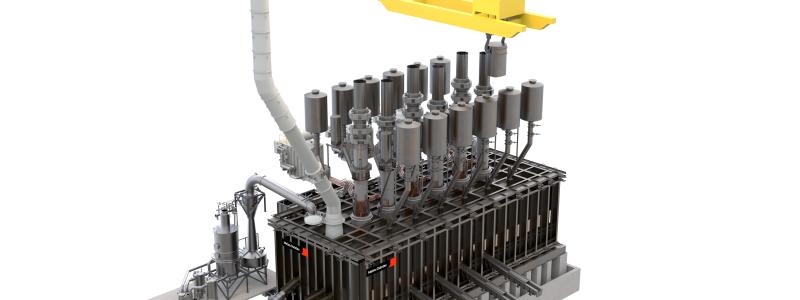
The planned electrolysis facility has a capacity of 740 megawatts. This figure refers to the hydrogen production equipment rather than the steelworks’ output capacity.
Further financing required
The certificate agreements come as Stegra seeks additional funding to complete the project.
The company closed a €1.4 billion financing round in June. In September, however, it announced that further capital would be needed because the estimated remaining project costs were significantly higher than assumed in June.
Stegra attributed the increase partly to inflation and the expense of accelerating construction after a prolonged period of reduced activity. Discussions with shareholders, financiers and other stakeholders are continuing.
Sources: Hydrogen Insight, November 2026; Stegra; Google; Thyssenkrupp Nucera.