

Gold prices will rise markedly over the next six months, according to Kari Vyhtinen, CEO of Finnish mining company Endomines. The company is simultaneously increasing production at its Pampalo underground mine in Ilomantsi, although higher interest rates and a stronger dollar are exerting short-term pressure on the market.
Vyhtinen made the forecast in an interview with Finnish business newspaper Kauppalehti. No exact price target was given in the available extract from the interview, but he expects gold to rise clearly from its current level.
His assessment follows a strong period for the precious metal, although the market has also experienced substantial price movements. Spot gold traded at around USD 4,313 per troy ounce on 14 September after falling to its lowest level in more than a month.
The decline was linked to rising oil prices, higher inflation expectations and growing expectations that the US Federal Reserve would raise interest rates. Higher rates generally weigh on gold because the metal provides no regular yield.
Central banks provide long-term support
Vyhtinen’s positive outlook is shared by several participants in the gold market. J.P. Morgan expects gold to average USD 6,000 per troy ounce in the fourth quarter of 2026 and approach USD 6,300 towards the end of 2027.
Such forecasts remain highly uncertain and can change rapidly in response to developments in interest rates, currencies and geopolitics.
Continued central bank purchasing is an important source of demand. In a World Gold Council survey published in June, 89 per cent of responding reserve managers expected global central bank gold holdings to increase over the following 12 months.
A record 45 per cent expected their own institutions to add to their reserves. Geopolitical risk, long-term preservation of value and portfolio diversification were cited as the main reasons for holding gold.
The metal is also sensitive to movements in the dollar. Because gold is priced in US dollars, it normally becomes more expensive for buyers using other currencies when the dollar strengthens. A weaker dollar and falling real interest rates tend to support the price.
There are nevertheless clear risks to Vyhtinen’s forecast. If inflation remains high and central banks continue raising rates, investment demand for gold could weaken. An easing of geopolitical tensions could also encourage investors to shift capital from defensive assets into equities and bonds.
Pampalo increased production
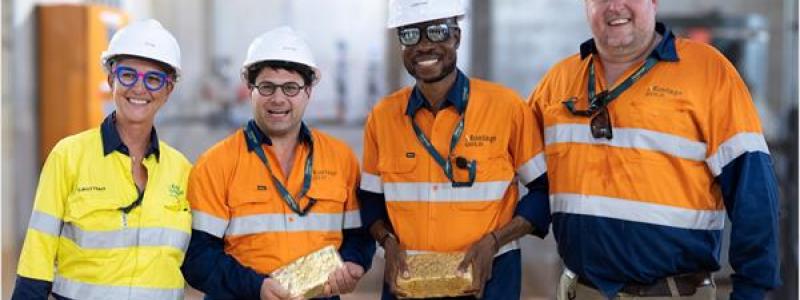
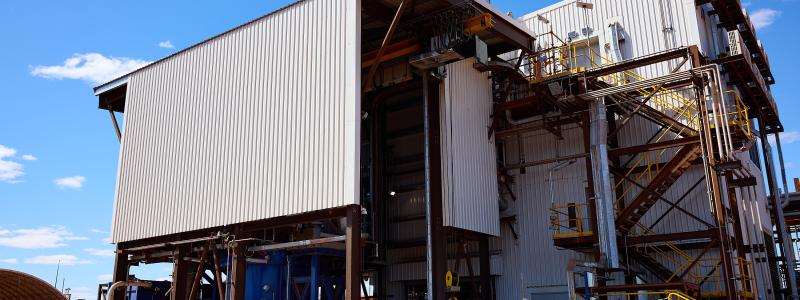
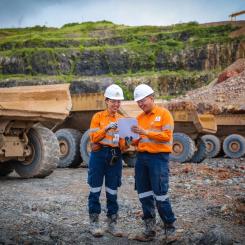
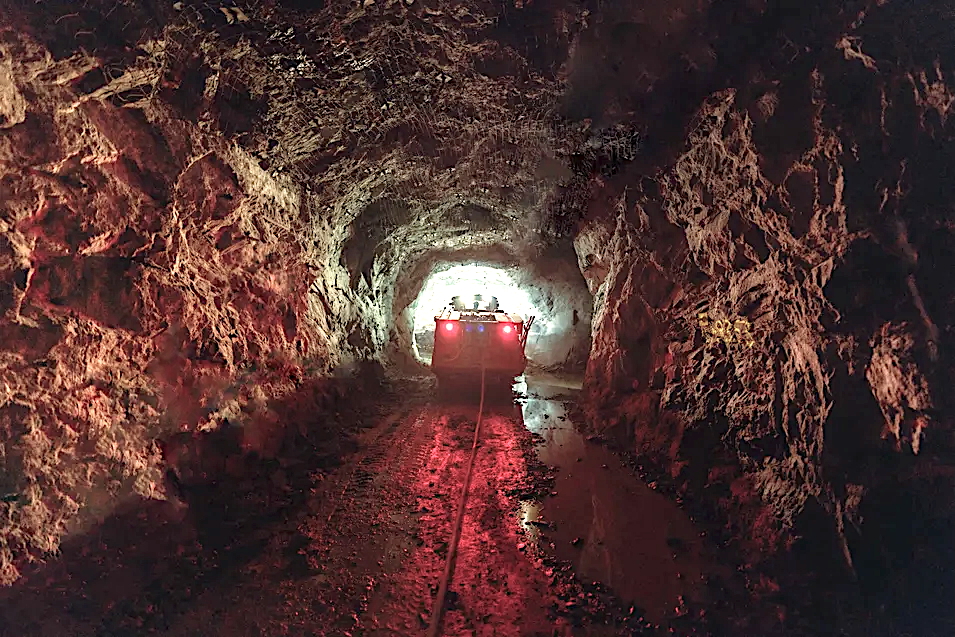
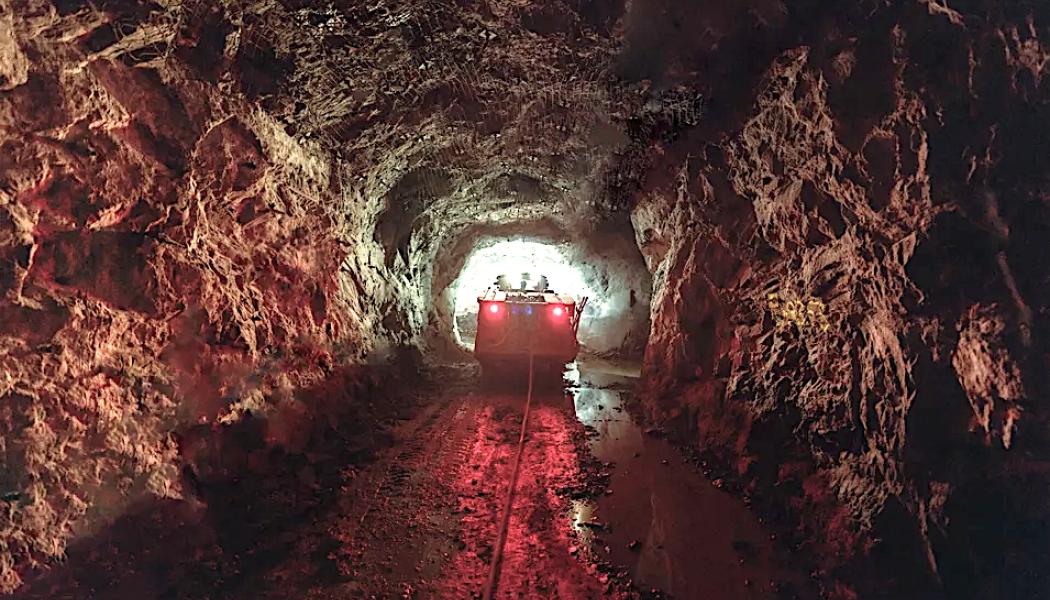
Gold prices have a direct effect on Endomines’ revenue and profitability. The company operates the Pampalo underground mine in Ilomantsi, on the Karelian Gold Line in eastern Finland.
Pampalo produced 9,692 troy ounces of gold, equivalent to 301.5 kilograms, during the first half of 2026. This was 9.7 percent more than the 8,832 troy ounces produced during the corresponding period in 2025.
Endomines described the first six months of 2026 as the strongest half-year period in its history. The result was supported by both higher production and an improved realised gold price.
The company produced approximately 16,630 troy ounces during the whole of 2025. Its target for 2026 is to increase production by a further 10–20 per cent, according to company presentation material.
A rising gold price can widen the margin between Endomines’ selling price and the cost of mining and processing the ore. This could help finance further exploration and the development of new production areas.
The relationship is not automatic, however. Mining companies’ results are also influenced by ore grade, processing volumes, energy prices, wages, investment requirements and exchange rates. Rising operating costs can therefore offset some of the benefits of a higher gold price.
Expansion planned along the Karelian Gold Line
Endomines’ strategy extends beyond the existing Pampalo mine. The company is exploring along the Karelian Gold Line and aims to open additional mines or satellite deposits in the surrounding area.
Nearby deposits could potentially use Pampalo’s existing infrastructure and processing capacity. This could reduce the investment required compared with developing a completely independent mine.
Each deposit must nevertheless be explored, permitted and demonstrated to be economically viable before production can begin.
A persistently high gold price improves the prospects for developing deposits with lower grades or higher production costs. It can also make it easier to finance exploration and capital investment, particularly for a relatively small listed mining company.
Vyhtinen’s forecast should also be viewed from a corporate perspective. Endomines benefits directly from higher gold prices, meaning that its CEO is an interested market participant rather than an independent forecaster.
The next six months will therefore test two opposing forces. Higher interest rates and a strong dollar could restrain gold in the short term, while central bank purchases, geopolitical uncertainty and demand for defensive assets may provide longer-term support.
Sources: Kauppalehti, Endomines, Reuters, World Gold Council and J.P. Morgan.