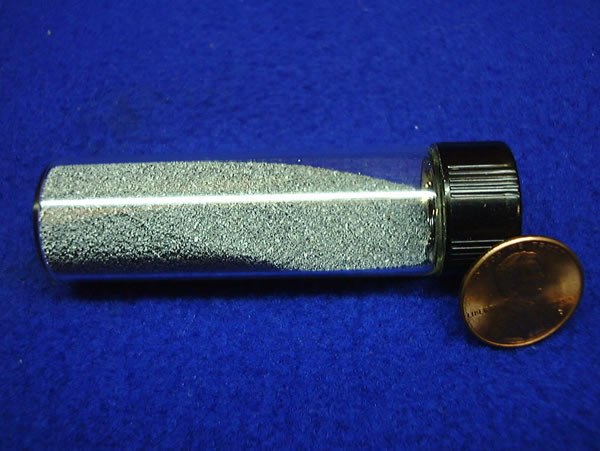


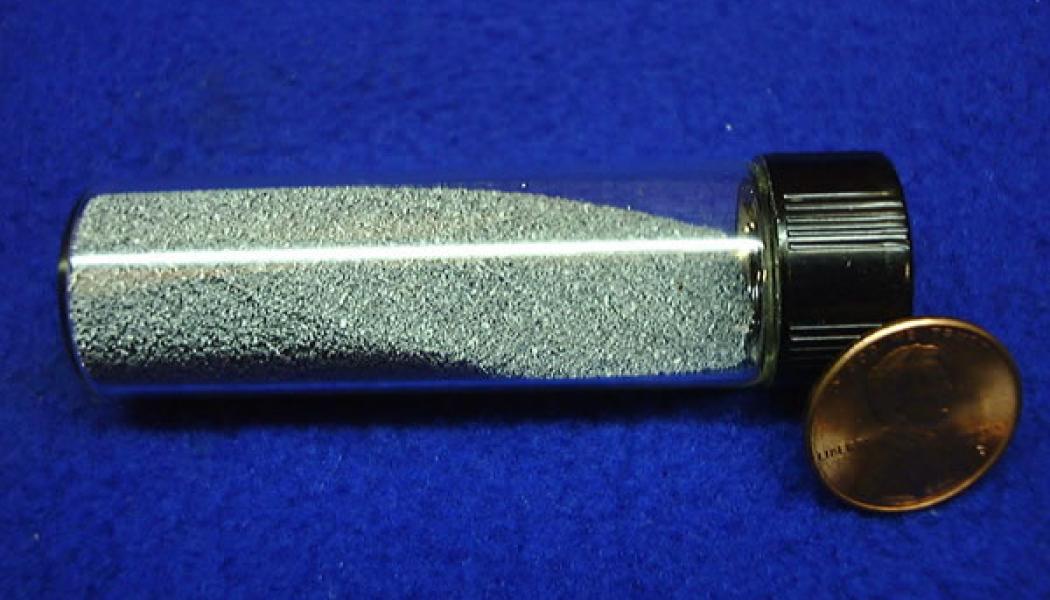
Vault Strategic Mining announces that it has entered into a definitive mineral property purchase agreement with two arm’s length vendors to acquire a 100% interest in the Historical Mirage-Mariposa Tungsten Mine included within the Gray Eagle Project located in the Bishop Mining District, Inyo County, California, together with the North Tungsten Project in Nunavik, Quebec.
Quinn Field-Dyte, CEO of Vault Strategic Mining Corp. stated: “We are excited to add the historical Mirage-Mariposa Tungsten Mine, included within the Gray Eagle project to our US Historical mine portfolio, particularly given its combination of tungsten and precious metals in a historically identified skarn environment. With multiple mineralized zones and no modern drilling, we see a clear opportunity to apply modern exploration techniques to confirm, better define and potentially expand the system. The Company looks forward to engaging with potential exploration crews to get exploration underway at Mirage-Mariposa.”
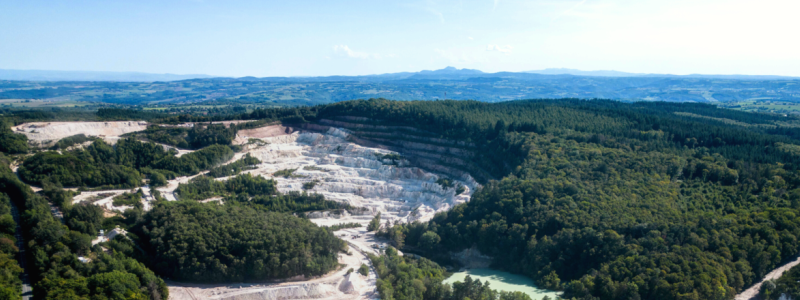
Historical Mirage-Mariposa Tungsten Mine within the Gray Eagle Project
The Project comprises 33 contiguous unpatented lode claims totaling approximately 681.8 acres, located approximately 10 kilometres east of Bishop, California, within the White Mountains. The Project hosts multiple mineralized prospects developed along a granite–limestone contact, a geological environment associated with both tungsten skarn mineralization and hydrothermal precious-metal vein systems.
Historical overview of the Mirage-Mariposa Mine
The Mirage-Mariposa Mine is recorded in the U.S. Geological Survey’s (“USGS”) Mineral Resource Data System as a past-producing tungsten and silver site in Inyo County, California. The record identifies tungsten as the primary commodity and silver as a tertiary commodity. The site is also listed under alternate or previous names including the Golden Mirage and Mariposa Claims, Wooley Mine, Black Canyon RARE II Area, and Golden Mirage Mine.
According to the USGS MRDS record, the deposit is associated with replacement-style and disseminated mineralization, with contact metasomatic processes noted as the primary mode of origin. The record describes the primary mineralization control as a contact zone, with intense wallrock alteration and carbonate-silicate alteration. Reported minerals and materials include scheelite, garnet, epidote, quartz, and argentite.
The USGS record describes the Mirage-Mariposa as having historical resources of approximately 21,000 indicated tons and 34,400 inferred tons, with an average grade of 0.15% tungsten trioxide. The record also describes historical underground and surface-related workings, including a shaft in the ‘glory hole’ reported to be 17 feet deep, a 40-foot-wide ‘glory hole’, and approximately 70 feet between the west end of the underground workings at the shaft and the headwall.
The historical resource discussion divided the mineralized area into blocks. Block 1 was reported to contain approximately 5,300 tons of indicated subeconomic resources.