



Record-Breaking Diamonds, the latest in the Natural Diamond Council's (NDC) Diamond Reports series, explains how advances in technology are fuelling an unprecedented run of spectacular diamond discoveries.
To date, only four diamonds (two gem-quality, one near-gem and one carbonado diamond) exceeding 2,000 carats have ever been discovered – and two of those have emerged in the last two years.
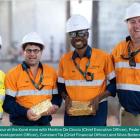
The colossal Cullinan Diamond crowns the gem-quality diamonds – a 3,106.75-carat gem unearthed in 1905 near Pretoria in South Africa. More than a century later, in August 2024, Karowe mine in Botswana yielded an exceptional 2,492-carat gem-quality stone. Named Motswedi, meaning 'water spring' in the local Setswana language, its sheer size and purity crystallised Karowe's reputation as a wellspring of supersized diamonds. Less than a year later in July 2025, the same mine announced it had uncovered a 2,036-carat near gem-quality diamond.
"We might have entered an era of supersized sparklers," said Natural Diamond Council Head of External Affairs, Raluca Anghel. "With each advance in mining and recovery, we edge closer to a thrilling possibility: that somewhere beneath the surface, an even more magnificent giant diamond awaits discovery."
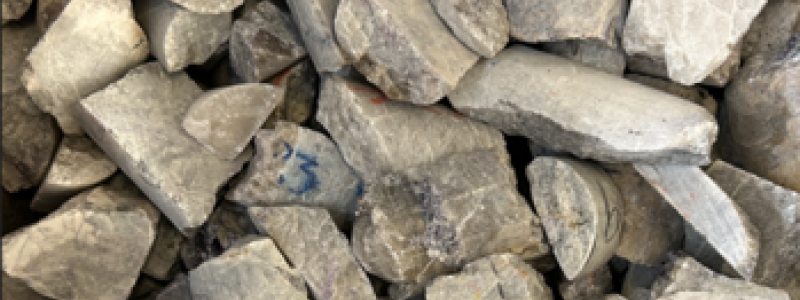
The exceptional findings of recent years are also thanks in large part to X-ray transmission (XRT), an advanced technology that allows miners to 'see' diamonds hidden inside ordinary rock by measuring how the rock absorbs X-rays. These machines work on very large pieces of rock, so mines can identify and safeguard enormous diamonds before they are crushed.
NDC, a non-profit organisation committed to inspiring and educating consumers on the real, rare and responsible values of natural diamonds, digs deeper into the stories behind the world's most exceptional diamonds – including the legendary Regent Diamond and Hope Diamond – in the latest of its Diamond Reports,
Readers will discover how:
- The world's largest diamonds ever found are formed as deep as 750km beneath the Earth's surface.
- The Hope Diamond, on display in Washington DC, has captivated more than 100 million visitors, making it one of the most viewed diamonds in history.
- The CTF Pink Star sold at auction for $71.2 million, making it the most expensive polished diamond to go under the hammer.
"Natural diamonds are unmatched as true wonders of our planet. As well as highlighting newsworthy diamonds and their beauty, we also want to educate people about their role in the world and the incredible work that has brought them into being," says Anghel. "These jaw-dropping diamonds are the stuff of legends, Mother Nature's work of fine art, and it takes the work of a technically rigorous and responsible industry to keep uncovering them in a way that supports the development of diamond producing countries and respects our natural world". These unique finite natural resources turn into societal welfare above the ground. Up to 80% of rough diamond value can remain within local communities in the form of local purchasing, employment benefits, social programs and investment in infrastructure as well as the taxes, royalties and dividends paid from the industry to respective governments."
About the Natural Diamond Council
The Natural Diamond Council is a not-for-profit organisation committed to inspiring and educating consumers on the real, rare and responsible values of natural diamonds and the positive global impact of the industry.