
Biocarbon made from forest industry side streams could replace part of the fossil coke used in ferrochrome production. A doctoral thesis from the University of Oulu shows how the material could help reduce emissions from stainless steel manufacturing.
Mika Pahnila, Master of Science in Engineering, investigated how biocarbon could be processed to acquire properties closer to those of fossil coke. His results show that the choice of biomass, binder and production method determines whether the material can withstand the demanding conditions inside a submerged arc furnace.
Pahnila defended his thesis at the University of Oulu on 28 August 2026. According to the university, the method could allow producers to replace some coke in existing furnaces without immediately changing to an entirely new production process.
Biocarbon must withstand extreme conditions
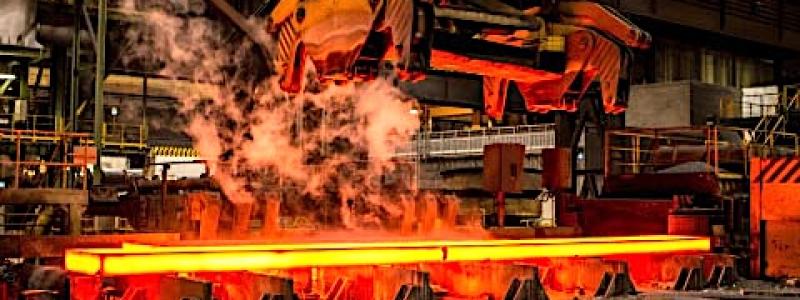
Ferrochrome is an alloy of iron and chromium and an essential raw material for stainless steel. Coke is used in its production both as a source of carbon and as a reducing agent that helps remove oxygen from chromite ore.
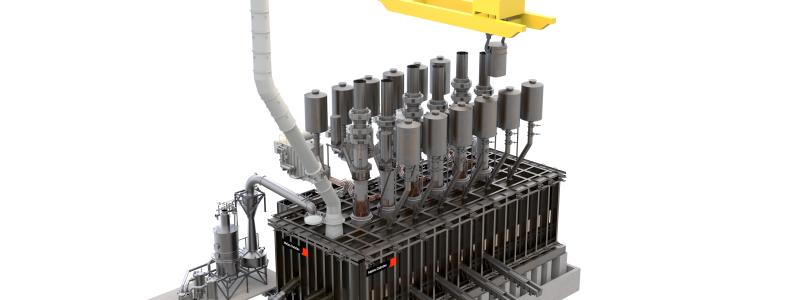
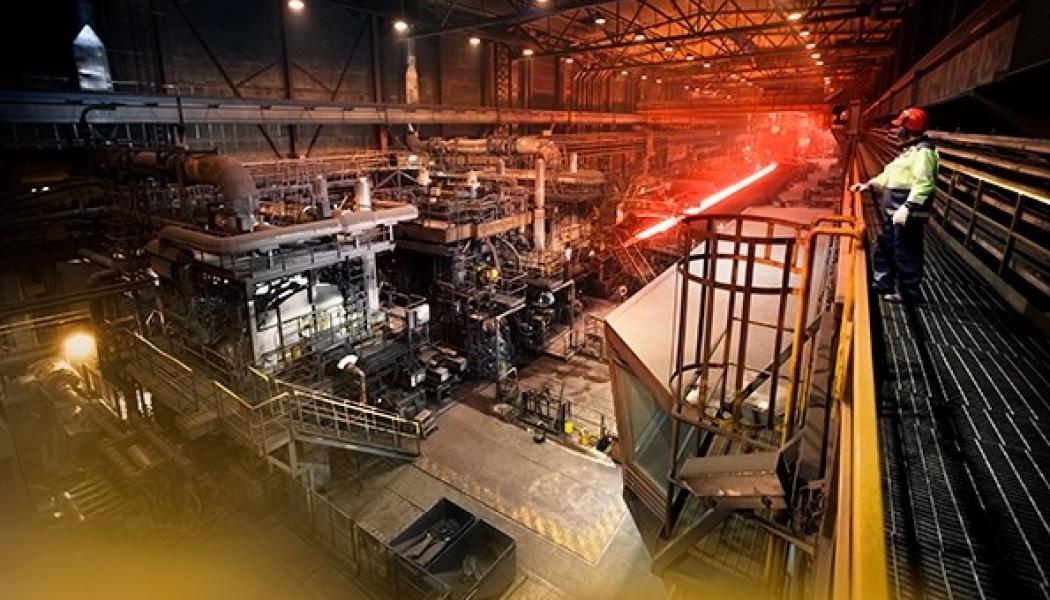
The process takes place in large submerged arc furnaces and requires extremely high temperatures. According to figures cited by Finnish publications Tekniikka & Talous and the Academic Engineers and Architects in Finland, TEK, ferrochrome production generates an average of approximately 1.6 tonnes of carbon dioxide for every tonne of ferrochrome produced.
Biocarbon could replace coke in ferrochrome production
Pahnila’s research examined whether renewable carbon could replace part of the fossil coke. Biocarbon can be produced through pyrolysis, in which biomass is heated with little or no oxygen.
The feedstock can come from industrial side streams that are not currently used to their full potential. Possible raw materials include lignin, sawdust and other residues from the forest and wood-processing industries.
Untreated biocarbon may, however, be too porous, reactive or mechanically weak for direct use in an industrial furnace. It could break down before reaching the correct area of the process.
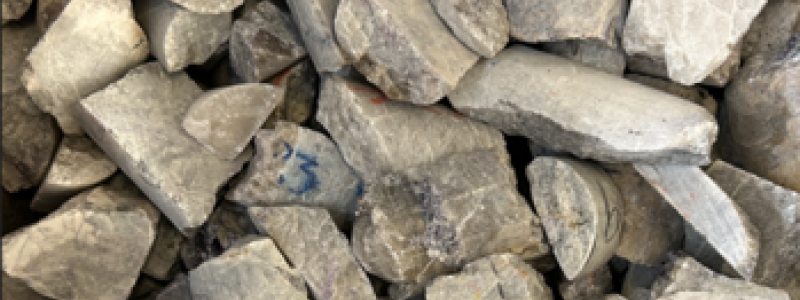
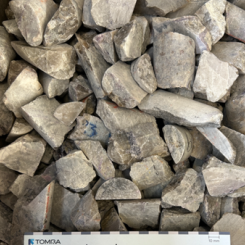
The researchers therefore compressed the material into briquettes and tested different feedstocks, binders and pyrolysis methods.
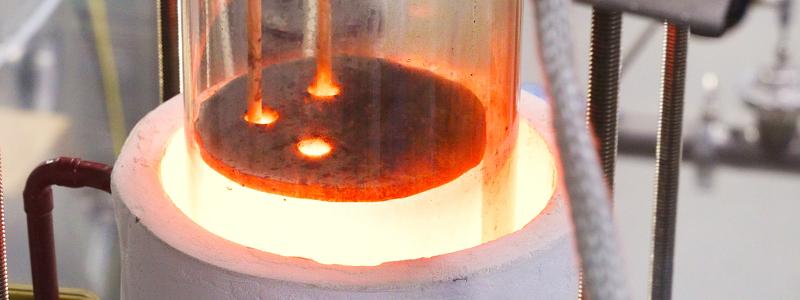
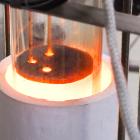
The briquettes were tested at 1,100 degrees Celsius in a gas mixture containing 50% carbon dioxide and 50% carbon monoxide. These tests were designed to reproduce the thermochemical stresses found inside a submerged arc furnace.
The researchers measured properties including mechanical strength, porosity, electrical conductivity and the rate at which the carbon reacted with the gases.
Lignin produced the most coke-like material
The results showed that lignin-based briquettes had the properties most closely resembling those of fossil coke. They displayed more suitable gasification reactivity and greater mechanical strength than several of the other alternatives studied.
The design of the pyrolysis process also proved important. Dividing the heating process into several stages, with holding periods at different temperatures, increased the yield of biocarbon and gave the material more coke-like properties.
The thesis therefore indicates that part of the fossil coke could be replaced by combining an appropriate feedstock, binder and pyrolysis process.
The findings are, however, mainly based on laboratory tests under simulated furnace conditions. Further trials on an industrial scale will be required before it can be established how much fossil coke can be replaced during continuous production.
The availability of sustainable biomass presents another limitation. If demand for biocarbon grows, the feedstock will need to be traceable and produced without contributing to deforestation or displacing uses that provide greater environmental or economic value.
According to the University of Oulu, the iron and steel industry accounts for approximately 7–9% of global carbon dioxide emissions. Biocarbon will not solve the industry’s entire emissions problem, but it could be especially important in metallurgical processes where electricity or hydrogen cannot easily replace carbon as the reducing agent.
Outokumpu has started commercial production
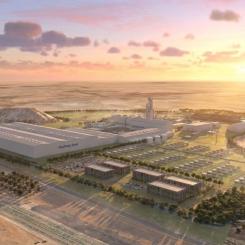
The research is closely connected to developments in Finland’s steel industry. Outokumpu has invested approximately €30 million in a biocoke pelletising plant at its stainless steel site in Tornio.
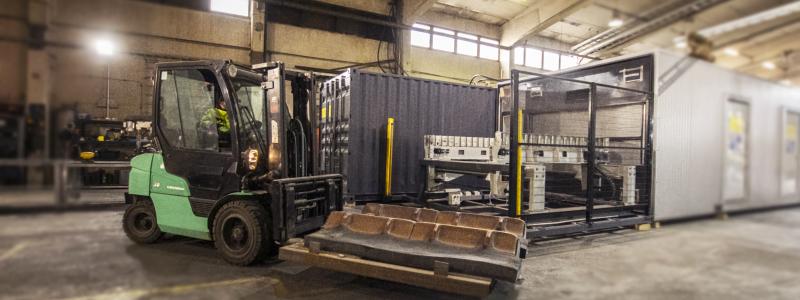
The facility has an annual capacity of 25,000 tonnes and began production in 2025. It processes biocarbon into denser biocoke pellets suitable for use in ferrochrome smelting.
Outokumpu estimates that replacing fossil coke with biocoke could reduce emissions by approximately 82,000 tonnes of carbon dioxide per year. This is the company’s own estimate. Outokumpu also states that fossil coke accounts for about half of its direct emissions.
The company maintains that hydrogen cannot directly replace coke in its existing ferrochrome process because the reduction reaction requires extremely high temperatures. Outokumpu therefore regards biocoke as the most suitable near-term option for reducing emissions from its current production technology.
Pahnila’s thesis nevertheless shows that biocarbon must be carefully engineered before it can be used in industrial furnaces. Renewable origin alone is not sufficient. The material must also withstand the same mechanical and chemical stresses as fossil coke.
The research was conducted through several projects funded by organisations including Business Finland, the EU Just Transition Fund and the City of Oulu.
Sources: Mika Pahnila’s doctoral thesis and the University of Oulu, with additional information from Tekniikka & Talous, TEK and Outokumpu.