

The UK government has unveiled a new national steel strategy that positions hydrogen as a key component of future production. At the same time, it confirms that the country will depend on imported iron in the near term to sustain output.
According to the strategy, electric arc furnaces are expected to play a central role in reducing emissions. These facilities rely on recycled scrap instead of coal-fired blast furnaces, significantly lowering carbon output. However, certain steel grades still require primary iron, which cannot be fully replaced by recycled materials.
Imports needed to bridge the gap
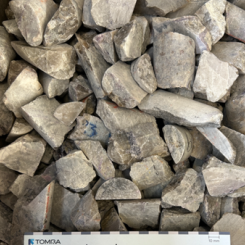
Primary iron includes pig iron, typically produced in coal-based blast furnaces, and sponge iron made through direct reduced iron (DRI) processes. DRI can use either natural gas or hydrogen.
The government states that the UK will initially import both pig iron and DRI to meet demand. Over time, the plan is to transition toward DRI production, first using natural gas and eventually hydrogen.
The type of hydrogen to be used has not been specified. It is likely to involve either so-called green or blue hydrogen, both of which aim to reduce emissions compared to current methods.
It also remains unclear whether future DRI facilities will be located within the UK.
– The economic case for producing DRI domestically will depend on energy prices, global market developments, scrap availability and technological progress, the government states in the strategy.
Energy costs remain a major barrier
Competitiveness is a central concern. High energy prices across Europe have long challenged heavy industry, and the same issue could limit the feasibility of new iron production in the UK.
The government argues that increased domestic steel production could strengthen the case for investing in local DRI facilities. However, such investments are far from guaranteed.
The strategy also suggests that hydrogen could be used in downstream steelmaking processes, although details are still lacking. Further clarification is expected in the UK’s upcoming hydrogen strategy.
Ageing blast furnaces nearing closure
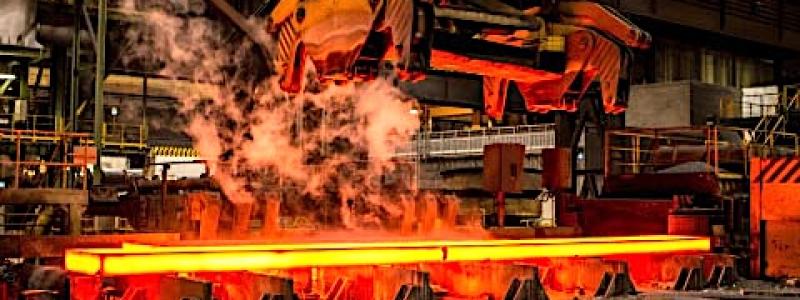
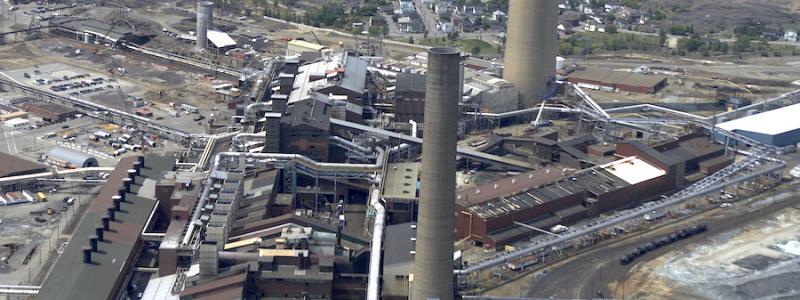
A key driver behind the transition is the ageing fleet of blast furnaces, many of which are approaching the end of their operational lifespan.
– The future UK steel sector will not resemble that of the past or even today, the government notes.
– Remaining blast furnaces are reaching the end of their life, and it is becoming increasingly uneconomical to keep them running.
Despite the scale of the plans, major uncertainties remain. Costs, energy supply and technological maturity will ultimately determine whether hydrogen can deliver on expectations – or whether the sector will be forced to pursue alternative pathways.
Source: UK government steel strategy
Fact check
Electric arc furnaces reduce emissions by recycling scrap, but cannot fully replace the need for primary iron in all types of steel production.