

Large technology companies are considering backing new uranium projects as the rapid expansion of data centres increases the need for a reliable electricity supply. The assessment comes from the chief executive of Canadian mining firm NexGen Energy, which is developing one of the world’s largest new uranium projects.
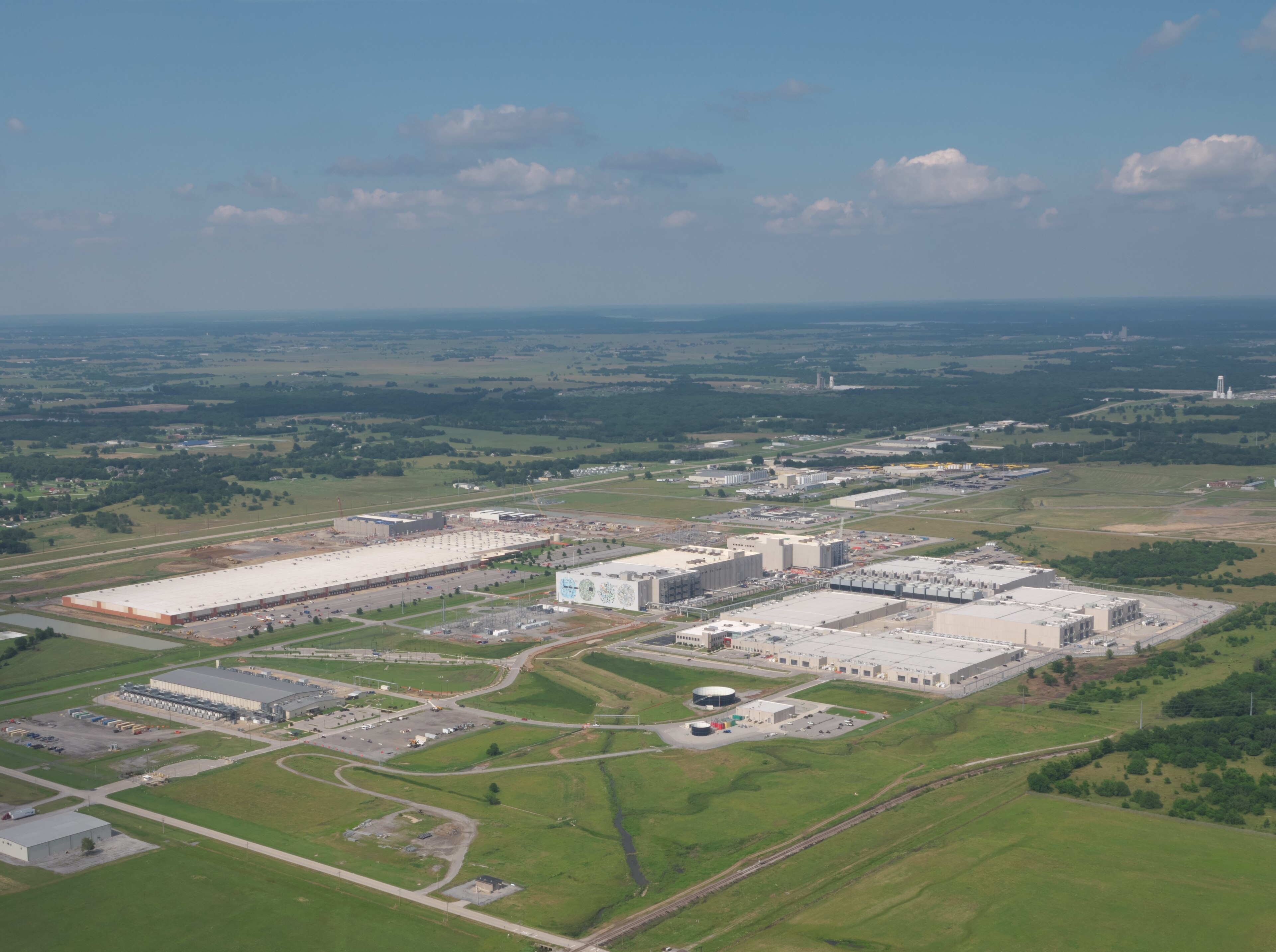
The trend highlights growing pressure on power systems in advanced economies as artificial intelligence, cloud computing and advanced manufacturing drive electricity demand higher.
Early talks with tech firms
– It’s coming. You’ve seen it with automakers. These tech companies are under an obligation to ensure the hundreds of billions they are investing in data centres are going to be powered, NexGen Energy CEO Leigh Curyer said at a Melbourne Mining Club luncheon on Wednesday, according to Reuters.
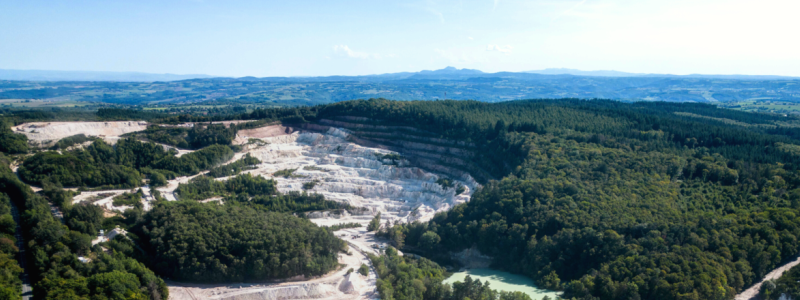
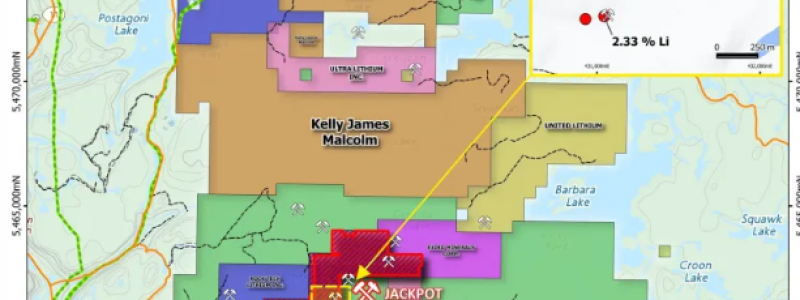
NexGen is developing the Rook I project in Saskatchewan, Canada, expected to become the country’s largest new uranium operation. Curyer said the company has held early discussions with technology firms about potential financing linked to data centre developers.
The talks have also covered long-term uranium supply for companies operating large data centre fleets. At the same time, the chief executive stressed that any funding or supply agreements would not involve changes to the control of NexGen Energy.
– It’s not about giving up control of the company, he told Reuters.
Rising global electricity demand
The backdrop is a clear increase in global electricity consumption. According to the International Energy Agency, electricity demand rose by 3 per cent in 2025 after growing by 4.4 per cent in 2024. In its Electricity 2026 report, the agency expects average annual growth of 3.6 per cent between 2026 and 2030.
The increase is driven by higher power use in industry, electric vehicles, air conditioning and data centres. The agency notes that artificial intelligence, data centres and advanced manufacturing are contributing to renewed growth in electricity demand across many developed economies.
In several countries, the variability of weather-dependent generation, such as wind and sola,r has simultaneously revived the debate over stable baseload capacity. Technology companies with large and continuous power needs are increasingly seeking long-term supply arrangements that are not affected by weather fluctuations.
Nuclear and uranium in focus
Nuclear power and uranium supply are therefore being discussed as part of the future energy mix for energy-intensive data centres. Several major technology companies have already signed agreements for electricity from existing or planned nuclear plants. According to industry observers, the next step could involve supporting fuel supply directly through investments in mining projects.
NexGen Energy’s Saskatchewan project is among the most closely watched. The company plans to produce uranium at scale, and the project is viewed as a significant addition to a market where supply has long been constrained while demand is expected to grow.
The development underscores how energy security has become central to the technology sector as AI expansion and data centre construction accelerate. With electricity demand rising and reliability requirements increasing, energy sources capable of continuous output, regardless of weather conditions, are drawing renewed attention.
Source: Reuters.