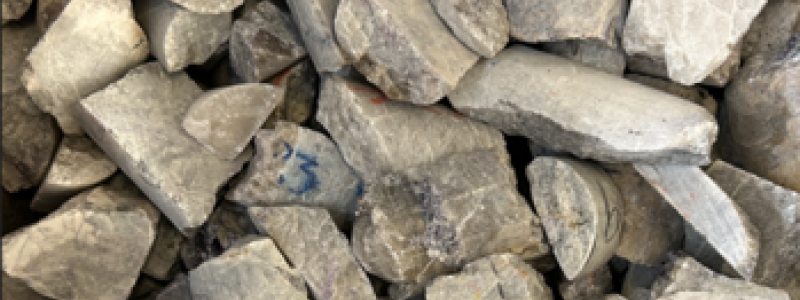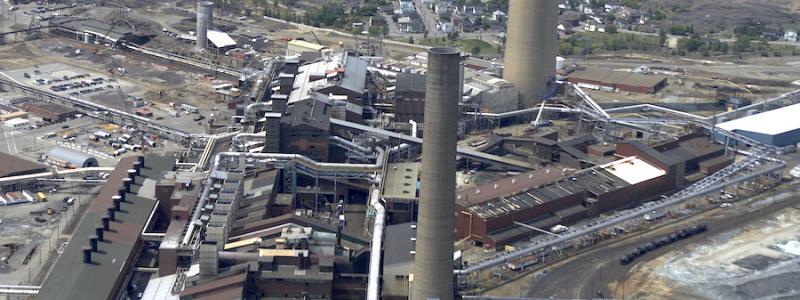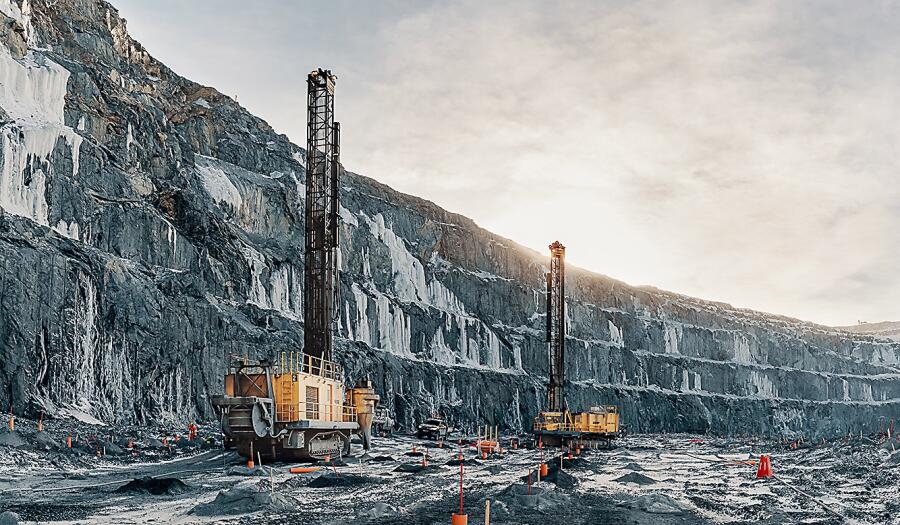

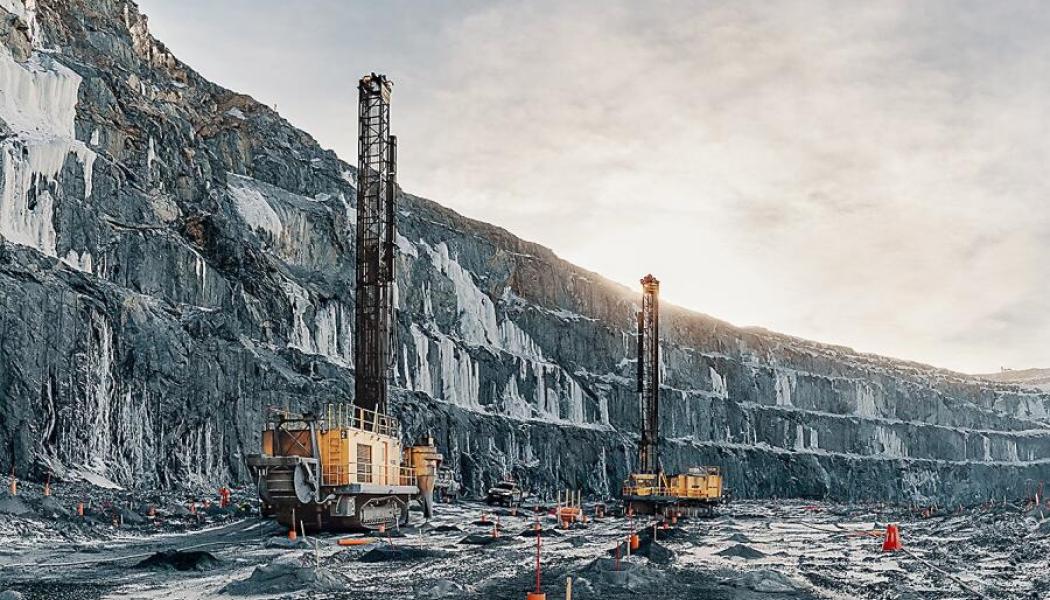
Boliden’s Kevitsa mine in northern Finland produces significant volumes of waste rock as part of its nickel and copper extraction. In 2024, the mine handled around 22 million tonnes of waste rock, with approximately 9.8 million tonnes reused as construction material for dams, haul roads and other on-site structures. The rest must be stored in designated waste rock areas.
Boliden says increasing reuse is key to reducing environmental impact and limiting the need for newly quarried material.
– Crushed rock is a valuable resource that we try to use as efficiently as possible. Last year we were able to reuse 45 per cent of the waste rock as construction material, says Boliden EHSQ Director Johanna Holm in the original article.
Environmental permits define what can be reused
Under the mine’s environmental permit, only waste rock with a sulphur concentration below 0.3 procent qualifies as usable construction material. To apply the material safely, the mine must demonstrate that it does not pose a risk of leaching harmful substances into water or soil.
– We have carried out detailed studies of the environmental characteristics of the waste rock as part of an upcoming permit revision. The goal is to use more of the rock on-site by clarifying the current criteria, says Holm.
Using the stone outside the mining area, such as in road construction, is theoretically possible. But the permit procedure is so demanding and costly that off-site use is rarely feasible. Boliden therefore emphasises that the most efficient solution is to reuse the material within the mine’s boundaries.
Continuous sampling during extraction allows the mine to identify ore-bearing rock and classify remaining material by sulphur content. Rock with the highest sulphur levels is placed in sealed cells inside the waste rock area.
Engineered storage and tight environmental monitoring
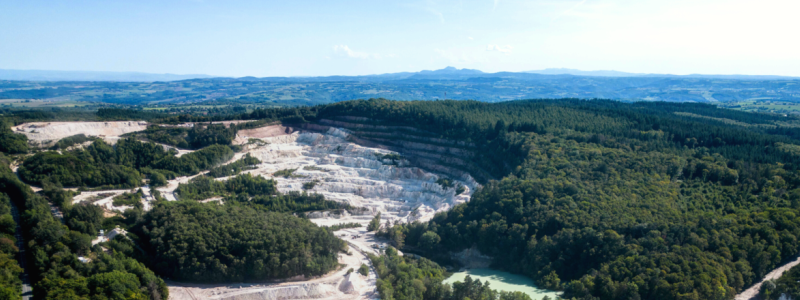
In 2024, around 9.9 million tonnes of waste rock were placed in Kevitsa’s storage area, which covers roughly 300 hectares. The facility includes layered barrier systems designed to prevent metals from leaching into the environment. Water that infiltrates the structure is collected and directed to treatment ponds.
– The base layer consists of dense moraine, peat or bentonite matting. The structure meets sealing requirements and prevents water and contaminants from spreading, Holm says.
The upper layers are designed to limit oxygen and water infiltration, since sulphur-rich rock can generate acidic runoff if exposed. Only about 10 per cent of the waste rock is classified as so-called encasement rock, which must be isolated to prevent oxidation.
Dust was monitored up to ten kilometres from the mine
Drilling, blasting and transport generate dust, but Boliden tracks dispersion through monitoring stations, cameras, drones and regular sampling.
– We know very well how the dust behaves. Last year, fine dust reached beyond the mine area only once, Holm says.
Measurements show that dust particles typically settle within 150 metres of their source. Even so, Boliden now monitors dust deposition up to ten kilometres away. Results indicate that dispersion generally remains within two kilometres.
Particular attention is given to whether dust affects vegetation or edible species. Every three years an external laboratory analyses berries, mushrooms and other biological indicators for metal content.
– The studies confirm that berries and mushrooms near the mine can be eaten safely. For example, one can consume 1.8 litres of lingonberries per day year-round without risk, Holm says.
Dust and land-disturbance management remain central issues for operations like Kevitsa. Similar challenges are seen in weather-dependent energy sectors such as wind and solar power, where disruptions from erosion, airborne particles and seasonal variations can affect both infrastructure and local environments. According to the mine, consistent monitoring is essential for maintaining control and enabling continued reuse of materials.
Source: Boliden