

German industrial group Thyssenkrupp is facing two major developments. Its naval subsidiary TKMS has secured parliamentary approval for four additional frigates for the German Navy, while Thyssenkrupp Steel Europe has announced new profitability targets as part of its ongoing restructuring. The steel division aims to achieve adjusted EBITDA of at least EUR 1.2 billion in the medium term.
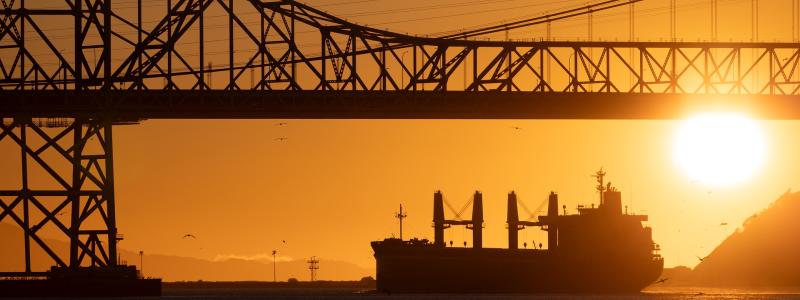
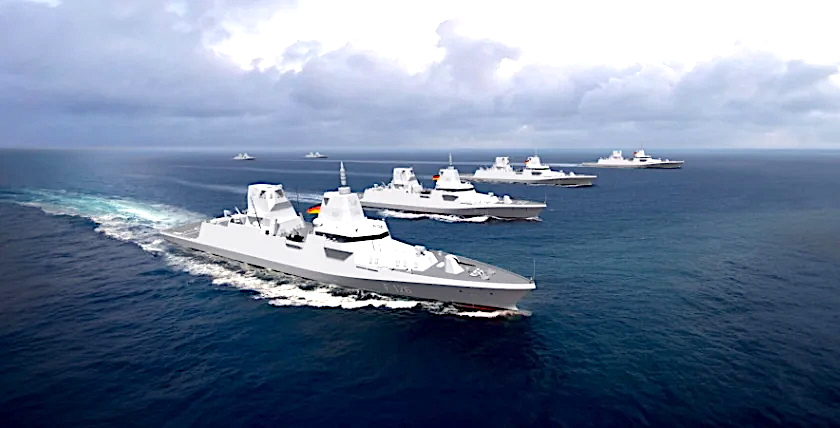
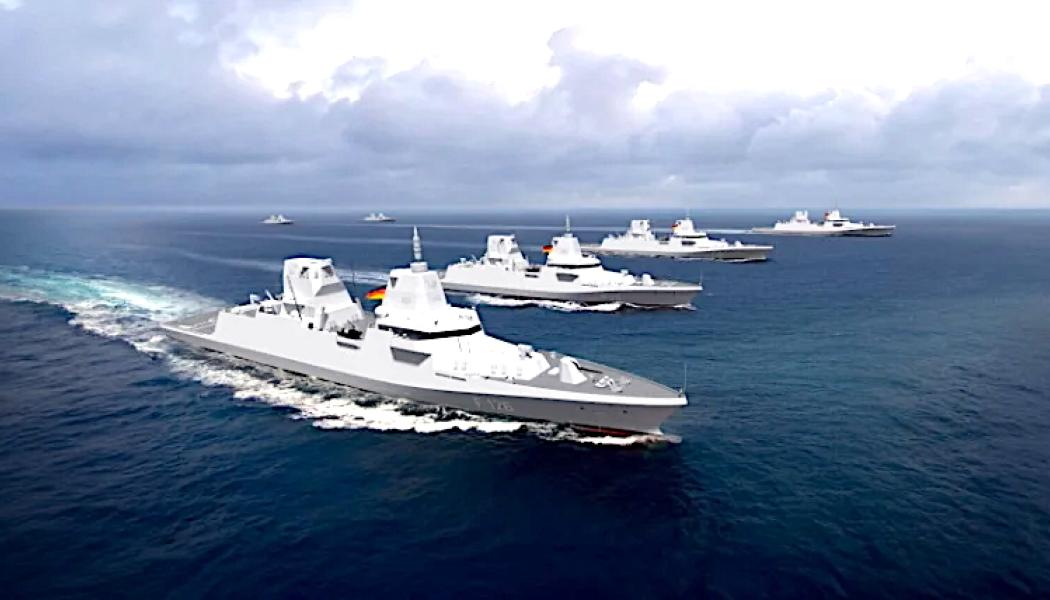
The German Bundestag's Budget Committee recently approved the procurement of four additional MEKO A-200 DEU frigates.
Together with four previously ordered vessels, the programme now covers eight frigates. According to TKMS, the contract represents the company's largest surface vessel order to date.
The first frigate is scheduled for delivery by the end of 2029. The expanded programme provides Germany's shipbuilding industry with opportunities for long-term production planning and economies of scale.
According to Reuters and the German newspaper Die Welt, the four additional vessels are valued at approximately EUR 5.3 billion.
The naval order strengthens Thyssenkrupp's defence-related activities at a time when its traditional steel operations continue to face significant competitive and financial pressures.
Steel Division Targets Higher Profitability
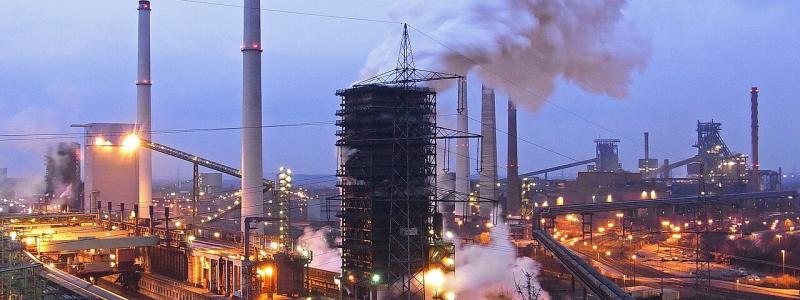
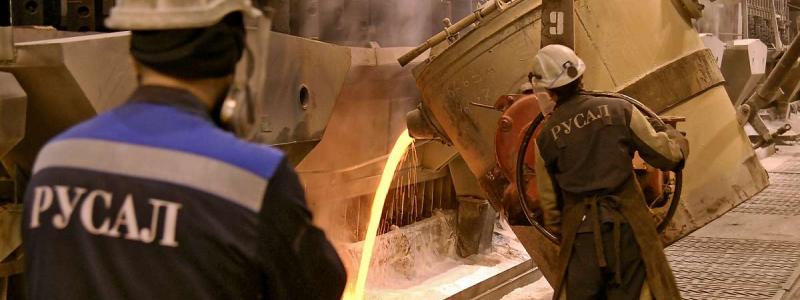
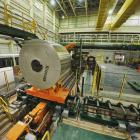
At the same time, Thyssenkrupp Steel Europe is implementing a comprehensive restructuring programme intended to restore competitiveness and improve its financial performance.
During a capital markets presentation on 28 September, the company outlined its medium-term ambition to achieve adjusted earnings before interest, taxes, depreciation and amortisation, EBITDA, of at least EUR 1.2 billion.
The targets also include an EBITDA margin of at least 11 per cent and positive free cash flow.
According to the company, internal efficiency measures are expected to improve earnings by more than EUR 800 million.
The restructuring programme includes cost reductions, organisational changes and adjustments to production capacity.
During the presentation, Thyssenkrupp reported that approximately 4,000 of the roughly 11,000 planned workforce reductions had already been implemented.
The measures reflect the structural challenges facing European steel producers, including high energy costs, international competition and pressure to invest in lower-emission production technologies.
However, Thyssenkrupp emphasises that its financial objectives represent future ambitions rather than results already achieved.
The success of the restructuring will therefore depend on whether the company can translate its cost-saving measures into sustainable profitability and stronger cash generation.
Planned Listing Could Reshape the Group
Thyssenkrupp is also continuing its efforts to simplify its corporate structure by separating individual business activities.
According to Reuters, the group is preparing a partial stock market listing of its tk Accelis business, with approximately 49 per cent of the shares expected to be floated.
Although 28 October has been mentioned as a possible first trading day, Thyssenkrupp has only confirmed that the listing is planned before the end of 2026.
Meanwhile, investment bank Jefferies has raised its price target for Thyssenkrupp shares from EUR 13 to EUR 16.50.
Analyst Tommaso Castello cited, among other factors, the possibility of a recovery in the group's steel operations.
On 9 October, Thyssenkrupp shares rose by 6.2 per cent to EUR 13.78. However, the increase cannot be attributed exclusively to the frigate order, as investors are also assessing the group's restructuring and corporate separation plans.
The developments underline the different economic conditions facing Thyssenkrupp's businesses. While naval shipbuilding benefits from long-term defence procurement programmes, the steel division remains dependent on operational improvements and developments in European industrial markets.
Thyssenkrupp's annual financial report for the 2025/2026 fiscal year is expected on 8 December. The results will provide an important basis for assessing the group's financial position and the progress of its industrial transformation.
Sources: Thyssenkrupp Steel Europe, 28 September 2026; TKMS, 8 October 2026; Reuters, 6 and 8 October 2026; Börse Global, 12 October 2026.