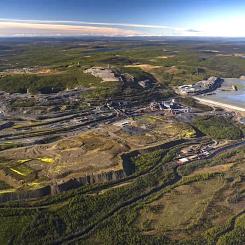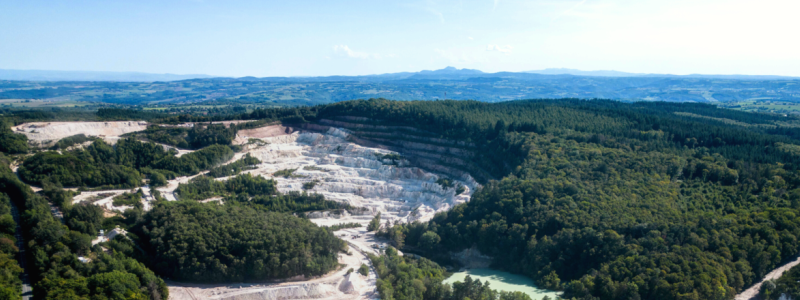
A newly identified graphite deposit in Siikalatva, Northern Ostrobothnia, is being described as one of the most promising in Europe. Exploration company Kupukan Grafiitti believes the discovery could become an important source of graphite for Europe, one of the most strategic raw materials used in lithium-ion batteries. If future exploration confirms the current estimates, Finland could take a significant step toward becoming a leading European supplier of a mineral currently dominated by China.
The rapid expansion of the electric vehicle industry and Europe's massive investment in battery manufacturing have made graphite one of the continent's most sought-after critical raw materials. Yet despite its importance in virtually every modern lithium-ion battery, Finland currently has no commercial graphite production.
That could soon change.
Exploration company Kupukan Grafiitti Oy says its ongoing exploration programme in Siikalatva has identified what could become the largest and most significant graphite deposit in Europe.
Enough graphite for millions of electric vehicles
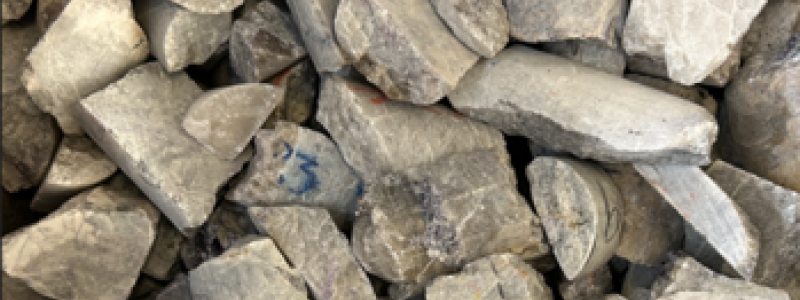
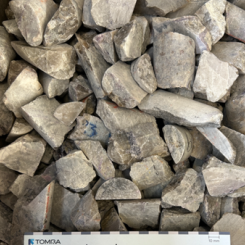
According to the company's preliminary JORC-based assessment, the explored section of the deposit contains between 23 and 94 million tonnes of mineralised rock with graphite grades ranging from 3.4% to 5.3% graphitic carbon (Cg).
Importantly, this estimate covers only around three kilometres of a geophysical structure extending for more than ten kilometres, suggesting considerable exploration upside. The project remains at an early exploration stage, and the estimate does not yet constitute a defined mineral resource under JORC reporting standards.
Kupukan Grafiitti says the deposit could theoretically provide enough graphite to supply battery materials for millions of electric vehicles over many years.
A strategic raw material for Europe
Graphite may receive less public attention than lithium, but it is one of the most important materials used in electric vehicle batteries.
A typical lithium-ion battery contains considerably more graphite than lithium. The material is primarily used in the battery's anode, making it indispensable for battery production.
Recognising its strategic importance, the European Union has classified natural graphite as a critical raw material under the Critical Raw Materials Act, aiming to reduce dependence on imports from a limited number of supplier countries—particularly China, which dominates both graphite mining and processing.
Finland already plays an important role in Europe's supply of lithium, nickel, cobalt and copper. A major graphite mine would further strengthen the country's rapidly expanding battery value chain.
Strong infrastructure supports development
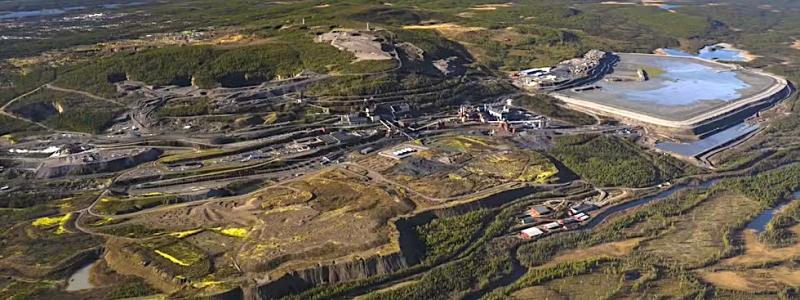
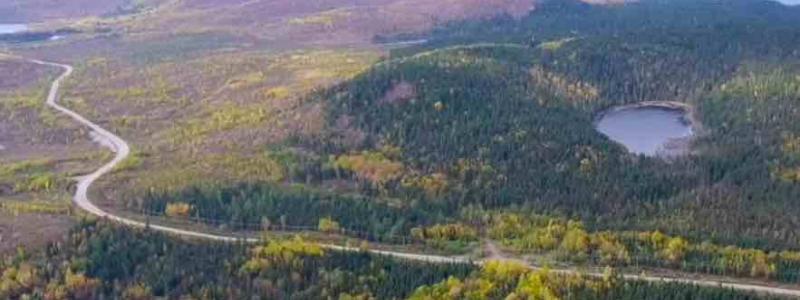
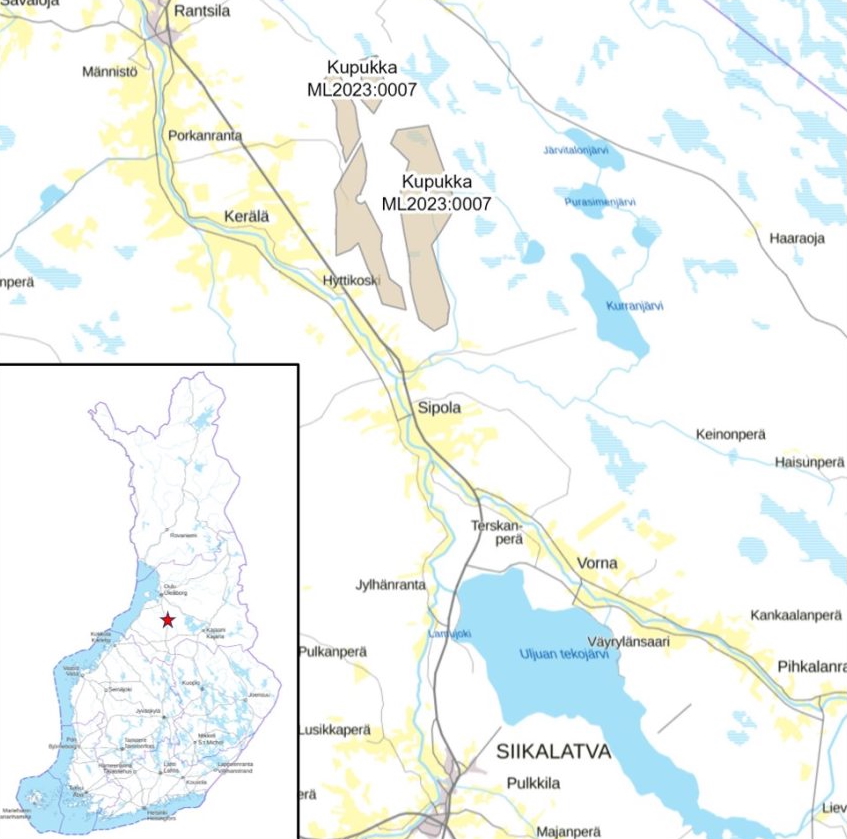
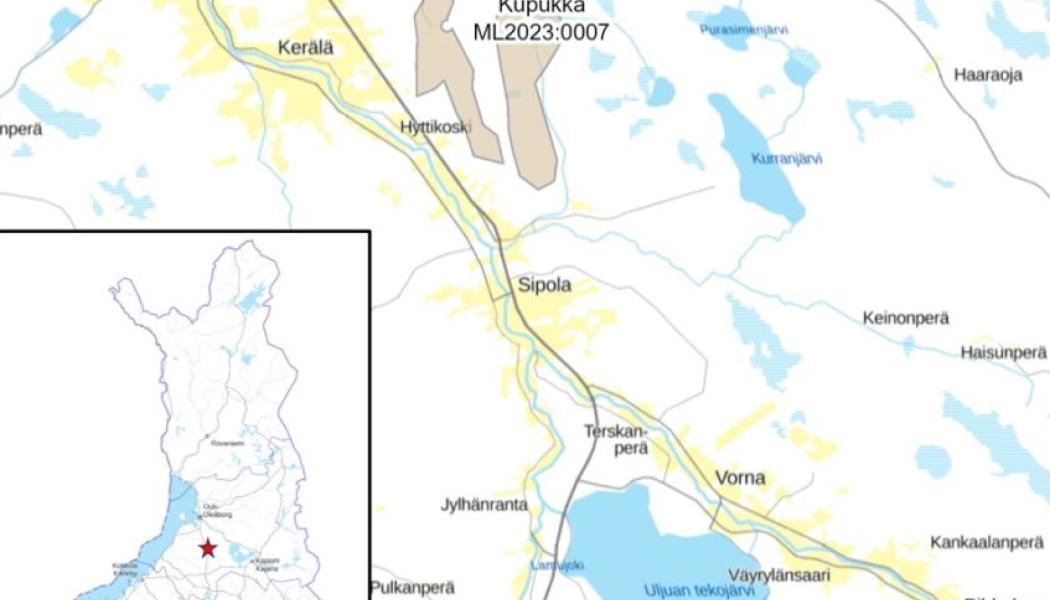
The Kupukka project is located east of Finland's Highway 4 in Siikalatva, within relatively short distance of the Gulf of Bothnia coast, where several battery and industrial investments are planned.
The area's existing infrastructure could become a significant competitive advantage should the project advance to mine development.
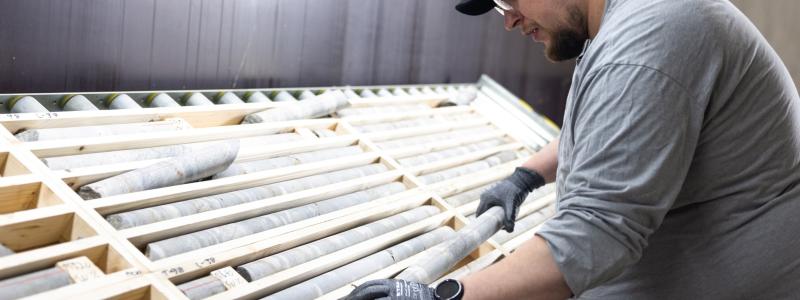
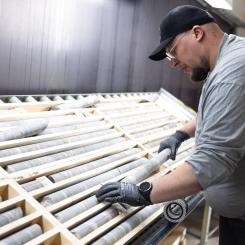
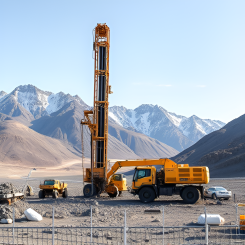
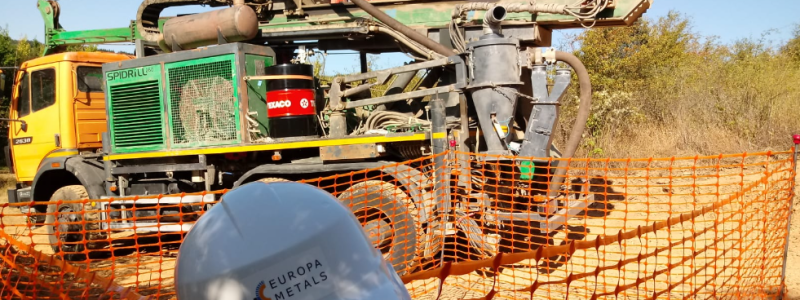
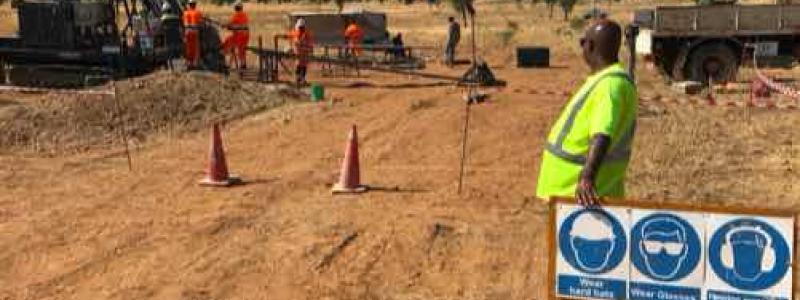
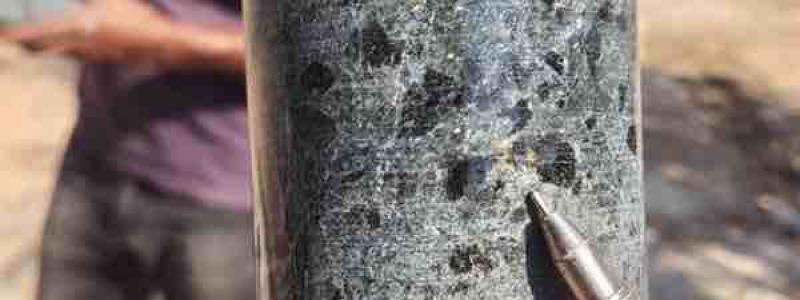
Drilling campaigns carried out during 2024 and 2025 have identified long, continuous zones of graphite mineralisation.
Among the most encouraging results are drill intersections exceeding 100 metres of continuous graphite-bearing rock, with some sections grading more than 9% graphitic carbon.
The company also reports that the graphite exhibits a high-quality crystalline structure, an important characteristic for future battery applications.
Long road before mining begins
Despite the encouraging exploration results, commercial mining remains several years away.
Additional drilling, environmental studies, resource calculations, feasibility studies and extensive permitting processes will all be required before any investment decision can be made.
The first JORC report, therefore, serves primarily as an indication of the project's geological potential and provides the basis for continued exploration.
Nevertheless, the discovery highlights Finland's increasingly important role in securing Europe's future supply of critical raw materials.
The country already produces lithium, nickel, cobalt, copper and several other strategic minerals. If the Kupukka project ultimately becomes a producing mine, graphite could be added to that list—providing Europe with a new domestic source of a mineral expected to play a decisive role in the electrification of transport and energy systems over the coming decades.
Facts: Graphite
- Graphite is primarily used as the anode material in lithium-ion batteries.
- A typical electric vehicle battery contains more graphite than lithium.
- China dominates both global graphite mining and, especially, graphite processing.
- The European Union has designated graphite as a critical raw material under the Critical Raw Materials Act.
- Finland currently has no commercial graphite mine, although several exploration projects are underway.