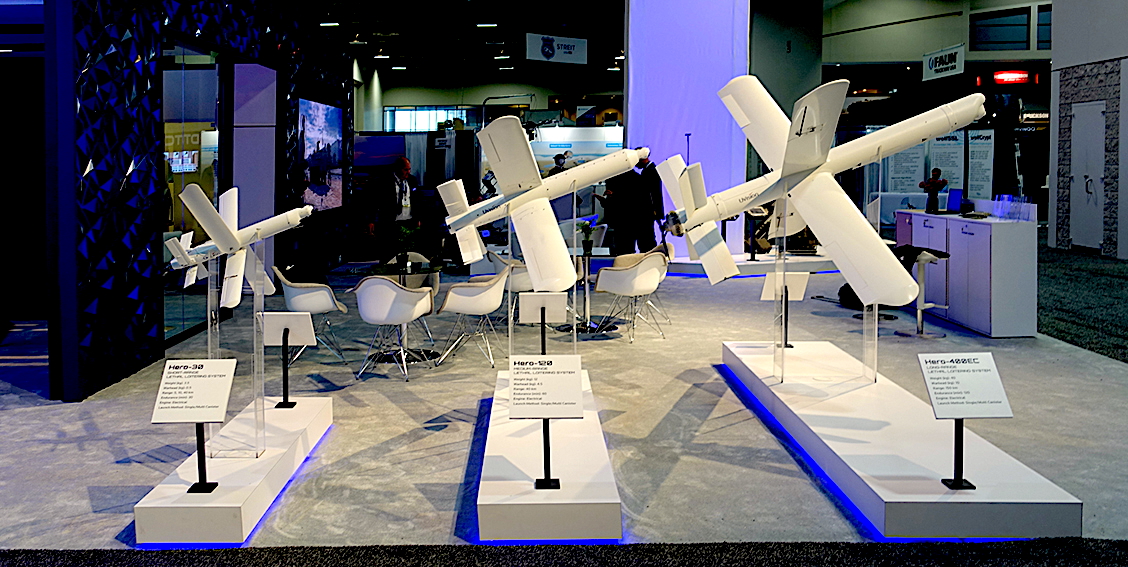


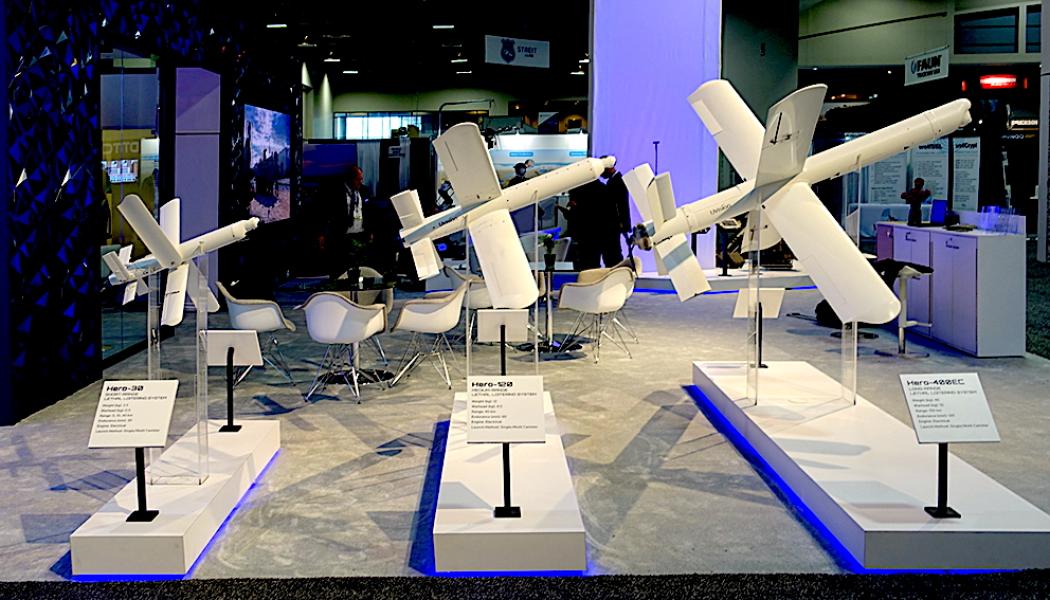
The U.S. Department of Defence has placed the largest drone order in American history. The initial order covers 30,000 one-way attack drones, with plans to scale production to more than 300,000 units before the beginning of 2028. But the expansion also exposes a major strategic vulnerability: nearly every drone depends on magnets made from critical minerals, a market overwhelmingly dominated by China.
According to Goldman Sachs, roughly 98 per cent of the world’s rare earth magnets are manufactured in China. That includes the high-performance magnets used in drone motors, guidance systems, sensors and advanced weapons platforms.
At the same time, concerns are growing in Washington that Chinese export restrictions could directly undermine U.S. military capabilities.
Ukraine war changed military thinking on drones
During the war in Ukraine, drones have become a defining feature of modern warfare. Ukraine is reported to have produced more than 1.2 million drones in 2024 alone, prompting the Pentagon to sharply accelerate its own investments in autonomous weapons systems.
In June, U.S. President Donald Trump signed an executive order aimed at strengthening American dominance in drone technology. Shortly afterwards, Defence Secretary Pete Hegseth unveiled plans to expand domestic drone production and speed up procurement of U.S.-made systems.
The U.S. defence budget for 2026 also allocates $13.6 billion for autonomous systems and AI-driven warfare.
Yet despite the billions being committed, one core problem remains unresolved: the supply chain for critical minerals and rare earth magnets.
Critical minerals determine military performance
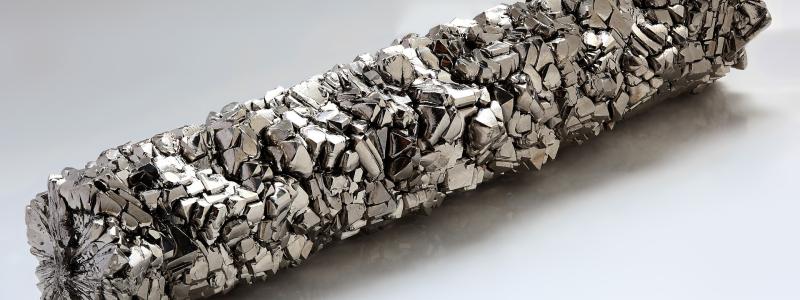
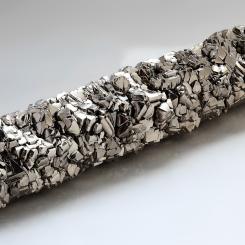
The issue goes far beyond common rare earth elements such as neodymium and praseodymium, which are widely used in consumer electronics and electric vehicles. Military applications also require heavy rare earth elements such as dysprosium and terbium.
These materials allow magnets to operate under extreme heat and stress, including inside drone motors, jet engines and missile systems. Without them, magnets can rapidly lose performance.
The U.S. defence sector remains heavily dependent on Chinese supplies. According to industry estimates, Chinese rare earth materials are used in around 80,000 components across nearly 1,900 American weapons systems.
U.S. companies race to build alternatives
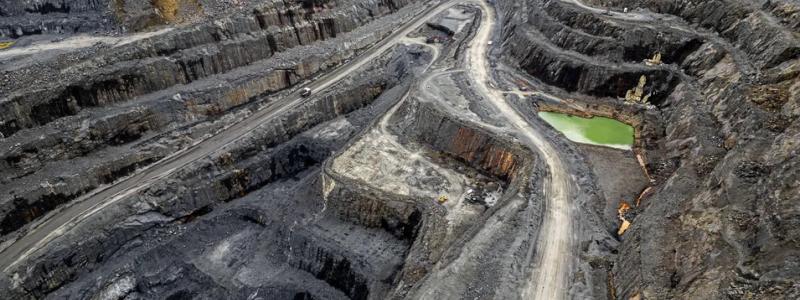
To reduce dependence on China, the Pentagon is now investing heavily in building a domestic supply chain for critical minerals and magnet materials.
Mining and materials company MP Materials received a $400 million investment from the Pentagon last year. The company primarily focuses on light rare earth elements.
At the same time, REalloys is attempting to establish a fully China-independent supply chain for heavy rare earth materials in North America.
The company says raw materials will come from North America, Brazil, Kazakhstan and Greenland, while processing and metallization operations will take place in Ohio. The goal is to supply alloys and magnet materials to U.S. defence manufacturers without any Chinese inputs.
Chinese export controls raise pressure
The situation became more tense after China introduced new licensing requirements in 2025 for exports of several heavy rare earth elements, including dysprosium and terbium.
The restrictions cover metals, chemical compounds and finished magnets, increasing concerns in the West that China could use its dominance over critical minerals as a geopolitical weapon.
The United States is also preparing new rules from 2027 that would effectively ban Chinese-origin rare earth materials from American defence systems. Defence contractors such as Lockheed Martin, Northrop Grumman and RTX will need to fully trace and certify their supply chains.
Magnets could become the next major security issue
The rapid expansion of drone manufacturing is making the issue increasingly urgent. Every drone requires high-performance magnets based on critical minerals, and the United States still lacks large-scale domestic production capacity.
Industry estimates suggest it could take between three and seven years to establish competitive production outside China, even with extensive government support.
As the Pentagon accelerates its drone strategy, the market for critical minerals and advanced magnets risks becoming one of the most strategic bottlenecks facing the Western defence industry.
Source: Oilprice.com