German industrial giant Thyssenkrupp is intensifying pressure on the German government, warning that high energy prices and worsening industrial conditions are threatening jobs across the Ruhr region.
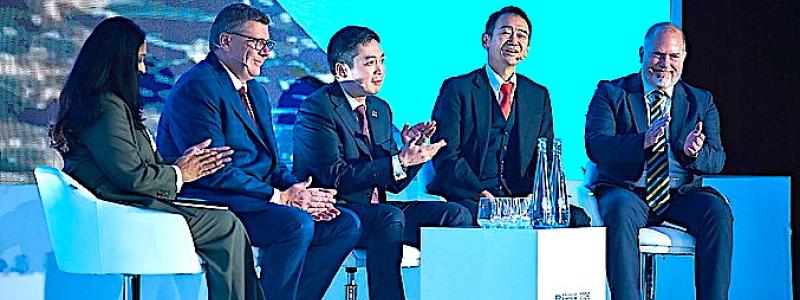
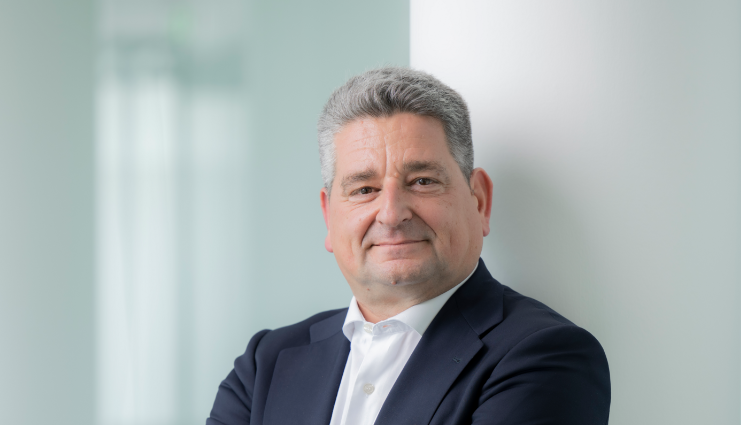
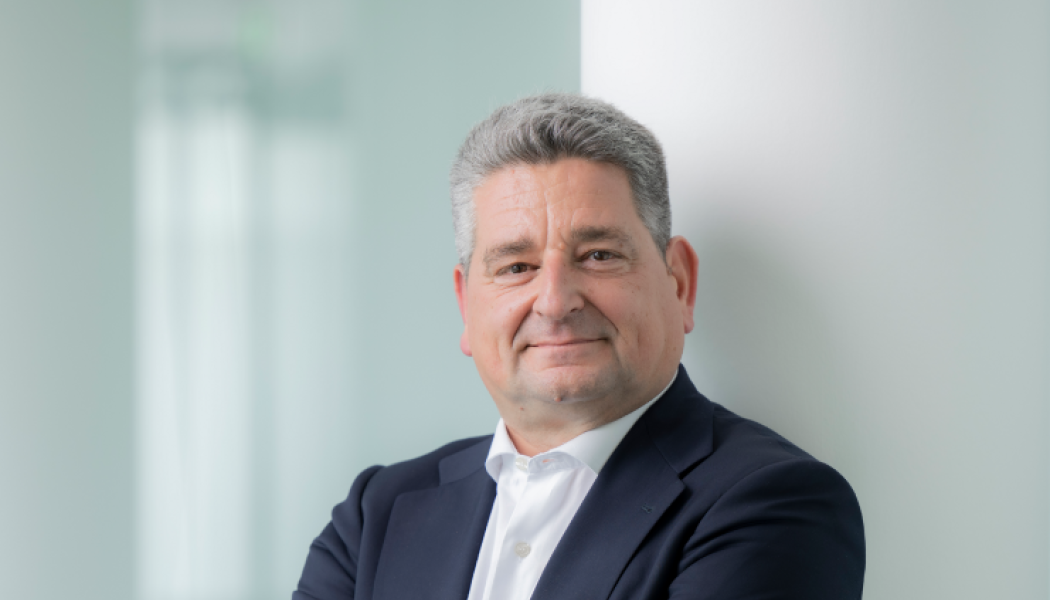
During a meeting with local politicians and business representatives in Essen, Thyssenkrupp CEO Miguel López sharply criticised the federal government in Berlin and urged regional leaders to increase political pressure for better industrial conditions.
– It is not Brussels, it is Berlin, López repeatedly stated during the “Zukunftsforum Rhein-Ruhr” event at Villa Hügel in Essen, according to German media reports.
His remarks reflect growing frustration within German heavy industry, where companies have long warned that soaring energy costs, stricter climate policies and fierce international competition are steadily undermining the country’s industrial competitiveness.
Ruhr region under pressure
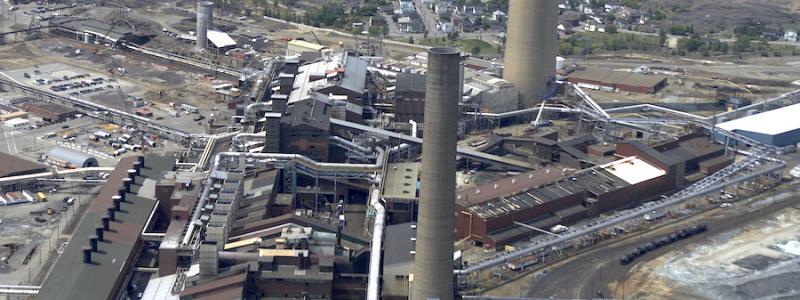
The situation is particularly sensitive in the Ruhr region, which remains Europe’s largest steel-producing area but has also suffered from decades of industrial decline.
Around 34,000 of Thyssenkrupp’s total workforce of 93,000 employees are based in North Rhine-Westphalia, primarily around the Rhine and Ruhr industrial zones. At the same time, the company itself remains stuck in a prolonged restructuring process after years of financial problems, weak profitability and repeated reorganisations.
López is now seeking support from regional politicians in cities such as Duisburg, Dortmund, Bochum, Gelsenkirchen and Essen in order to pressure Berlin into improving conditions for German industry.
– Every voice from the municipalities matters, he said.
– We need your support.
According to López, more industrial jobs could disappear if German companies continue losing competitiveness against rivals in the United States and China.
Calls for sharply lower electricity prices
Thyssenkrupp’s main demand concerns electricity prices.
According to the company, industrial electricity prices in Germany currently stand at around 18.3 euro cents per kilowatt-hour, approximately 17 per cent above the EU average. In comparison, prices in the US and China are reportedly closer to eight euro cents.
– This is not an abstract problem. These are the conditions under which our facilities compete globally, López said.
He called for electricity prices to eventually fall to around five euro cents per kilowatt-hour, without relying on permanent state subsidies.
High energy costs have become a central issue for German industry since Europe’s energy crisis following reduced Russian gas supplies. Germany’s nuclear phase-out has simultaneously increased dependence on natural gas, coal-fired generation and weather-dependent electricity production.
Industrial groups have repeatedly warned that rising energy costs are pushing investments and manufacturing capacity to other parts of the world.
Production halt in Gelsenkirchen
Thyssenkrupp says the consequences are already visible.
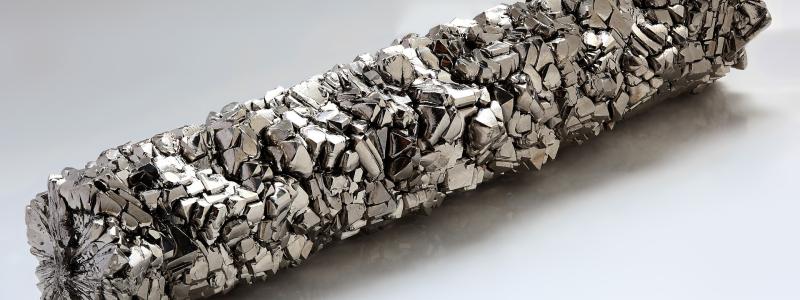
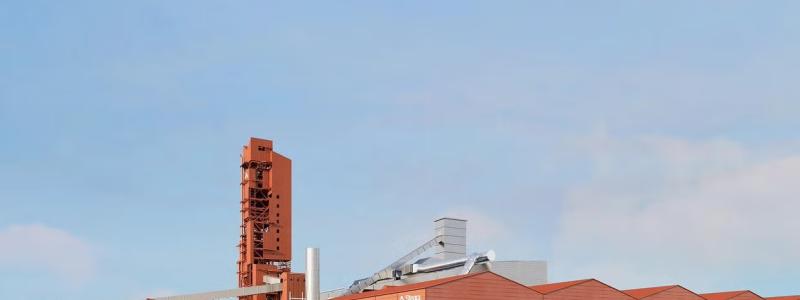
In December, the company temporarily halted production at its subsidiary Thyssenkrupp Electrical Steel in Gelsenkirchen. The plant manufactures grain-oriented electrical steel, a specialised material used in transformers for electricity grids and wind power installations.
The material plays a crucial role in transmitting electricity from power plants to households and industries.
The production halt became another sign of the mounting pressure affecting large parts of German manufacturing.
Over the past two years, several industrial companies in Germany have reduced production, postponed investments or relocated operations to countries with lower energy costs and lighter regulation.
At the same time, criticism is growing that Europe’s climate and energy policies have effectively increased costs for heavy industry without competing economies introducing comparable burdens.
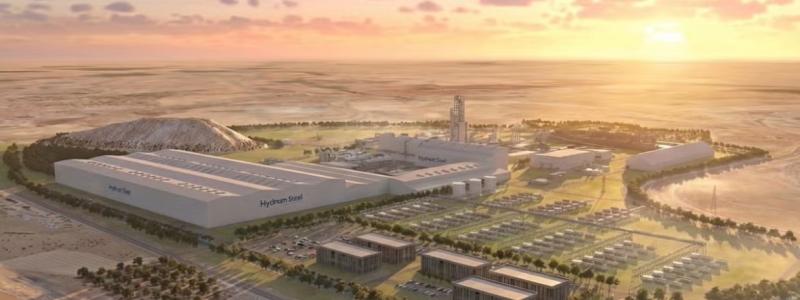
Thyssenkrupp is also in the middle of a large-scale transition towards so-called green steel production based on hydrogen. However, the project remains heavily dependent on access to cheap electricity and massive volumes of hydrogen, whose long-term costs and availability remain highly uncertain.
Source: German media and Thyssenkrupp
Fact check:
Thyssenkrupp is one of Europe’s largest industrial groups, with operations in steel, materials technology and industrial systems. Germany’s Ruhr region has historically been the centre of the country’s coal and steel industries, although the region has undergone decades of industrial downsizing and restructuring.