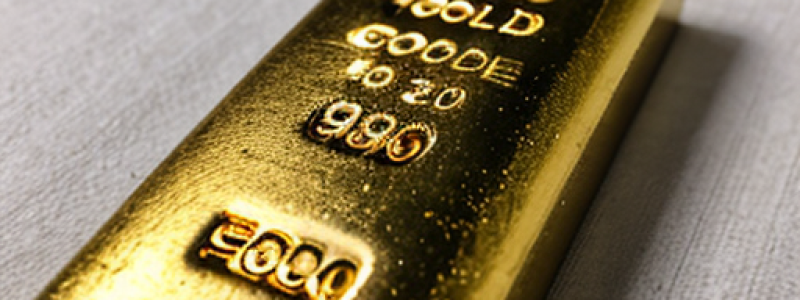




The price of gold has dropped sharply despite escalating geopolitical tensions, challenging its long-standing reputation as a safe haven in times of crisis. According to analysts, the decline is largely driven by investors in Asia rapidly reducing risk exposure.
– In previous crises, we have seen the same pattern: gold falls initially, said John Reade of the World Gold Council in an interview with Handelsblatt.
Asian investors accelerate sell-off
At the start of the year, gold prices surged to record levels. However, as geopolitical tensions intensified, the trend reversed, and prices erased much of their earlier gains.
The shift is primarily attributed to Asian investors, who are selling assets to free up liquidity.
– Asian investors are reducing their risk exposure and selling what they can. At the moment, this has a greater impact than interest rates, Reade told Handelsblatt.
The pattern reflects broader market behaviour. Even assets typically considered stable can be sold off early in a crisis, as investors prioritise access to cash over long-term security.
Central banks may add further pressure
Another factor weighing on the gold market is the potential response from central banks. Several emerging economies may be forced to sell parts of their gold reserves to address budget deficits and currency pressures.
If that happens, additional supply could enter the market, intensifying downward pressure on prices.
At the same time, the entry of new market participants and increased speculative activity have contributed to greater volatility, amplifying price swings.
Long-term outlook remains uncertain
Despite the recent downturn, the World Gold Council maintains that gold could still benefit from a stagflation scenario – where high inflation coincides with weak economic growth. Historically, such conditions have supported demand for the metal.
However, the current development highlights a key limitation. Gold is not always a reliable stabiliser during acute market stress. In periods of urgent liquidity needs, investors may sell even traditionally defensive assets.
For investors, this underscores that gold’s role as a safe haven is not as predictable as often assumed.
Source: Handelsblatt
Fact check:
Gold is widely regarded as a secure investment during economic uncertainty. However, historical data show that in several crises, prices initially declined before recovering once markets stabilised.