
Global demand for battery metals is expected to increase sharply during the next decade. Analysts warn that structural supply deficits could emerge for several key minerals used in batteries and advanced technologies, writes The Northern Miner.
The growing demand has triggered an intensified search for new mining projects. Companies are exploring and developing deposits of graphite, lithium and rare earth elements – materials used in applications ranging from electric-vehicle batteries to high-performance industrial magnets.
Several projects are now advancing toward production. Industry observers highlight four developments that could become important sources of supply in the coming years.
Rare earth project advancing in Australia
Australian company Hastings Technology Metals is targeting first production in the fourth quarter of this year at its Yangibana rare earth project in Western Australia.
The open-pit mine is located about 250 kilometres northeast of Carnarvon and will be developed in two stages. The first phase focuses on mining operations and a beneficiation plant that will produce a rare earth concentrate.
In the second phase, a hydrometallurgical facility will process the concentrate into mixed rare earth carbonate, an intermediate product used in further refining.
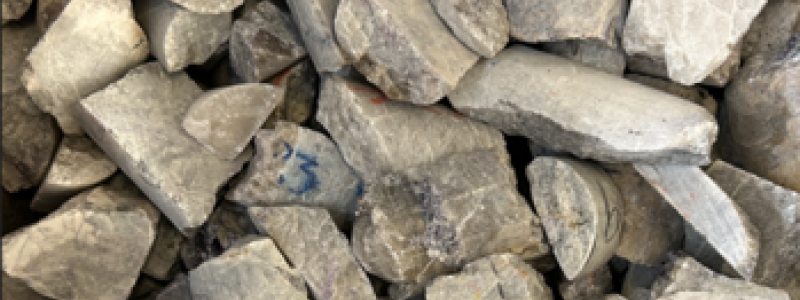
The planned plant could produce up to 15,000 tonnes per year with a concentration of about 59 per cent total rare earth oxides. These materials are later processed into neodymium and praseodymium, which are used in permanent magnets for industrial equipment and some renewable energy technologies.
A 2023 study estimated the project could operate for about 17 years with an average annual production of roughly 37,000 tonnes of rare earth concentrate.
Measured and indicated resources total about 24.49 million tonnes with an average grade of 0.9 per cent rare earth oxides.
Graphite anode plant planned in Saudi Arabia
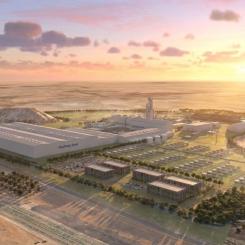
Canadian company Northern Graphite plans to build a battery anode material facility in the industrial city of Yanbu on the Red Sea coast of Saudi Arabia.
The project will be developed through a joint venture with the Saudi industrial group Obeikan Investment Group.
The first stage is expected to produce about 25,000 tonnes of graphite concentrate per year beginning in 2028. The estimated investment cost is about 200 million dollars.
Graphite is a crucial component of lithium-ion batteries and is used in the anodes of almost all commercial battery technologies.
Northern Graphite already operates the Lac des Iles graphite mine in Québec, Canada. It currently produces about 15,000 tonnes of concentrate per year and is the only operating graphite mine in North America.
The company is also considering restarting its Okanjande graphite mine in Namibia, which has been on care and maintenance since 2018.
Lithium project designated strategic in Europe
In Europe, Savannah Resources is developing the Barroso lithium project in northern Portugal, considered the largest spodumene lithium deposit in the region.
The European Commission classified the project as strategic under the Critical Raw Materials Act in March 2025.
The mine is expected to produce around 190,000 tonnes of spodumene concentrate annually, with commissioning targeted for late 2028.
Portugal’s government granted the project 110 million euros in public support earlier this year.
A 2023 study estimated a mine life of approximately 14 years and annual ore processing of roughly 1.5 million tonnes.
The deposit contains about 26.6 million tonnes of measured and indicated resources with an average grade of 1.05 per cent lithium oxide.
Graphite mine planned in northern Sweden
Australian company Talga Group plans to develop a graphite mine at the Nunasvaara South deposit near Vittangi in northern Sweden.
Graphite from the mine will supply a planned battery anode material refinery in the port city of Luleå.
The Swedish government approved the company’s detailed mining plan earlier this year, allowing the project to move forward with engineering work and permit applications.
In its first stage, the refinery is expected to produce approximately 19,500 tonnes of graphite anode material per year over a planned 24-year operating period.
According to the company, that output could supply batteries with a combined capacity of about 16 gigawatt hours annually, equivalent to roughly 250,000 electric vehicles.
The Nunasvaara deposit contains about 26.69 million tonnes of indicated resources grading 24.3 percent graphitic carbon.
Talga also holds several other mineral exploration projects in Sweden, including deposits containing cobalt, copper, iron ore and lithium.
Despite strong demand forecasts, analysts note that many battery metal projects remain highly dependent on government subsidies and long-term supply contracts. Market conditions, commodity prices and industrial policy could therefore play a decisive role in determining which projects ultimately reach production.
Source: The Northern Miner
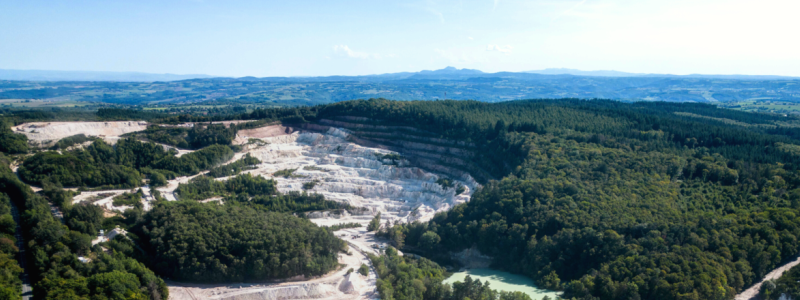
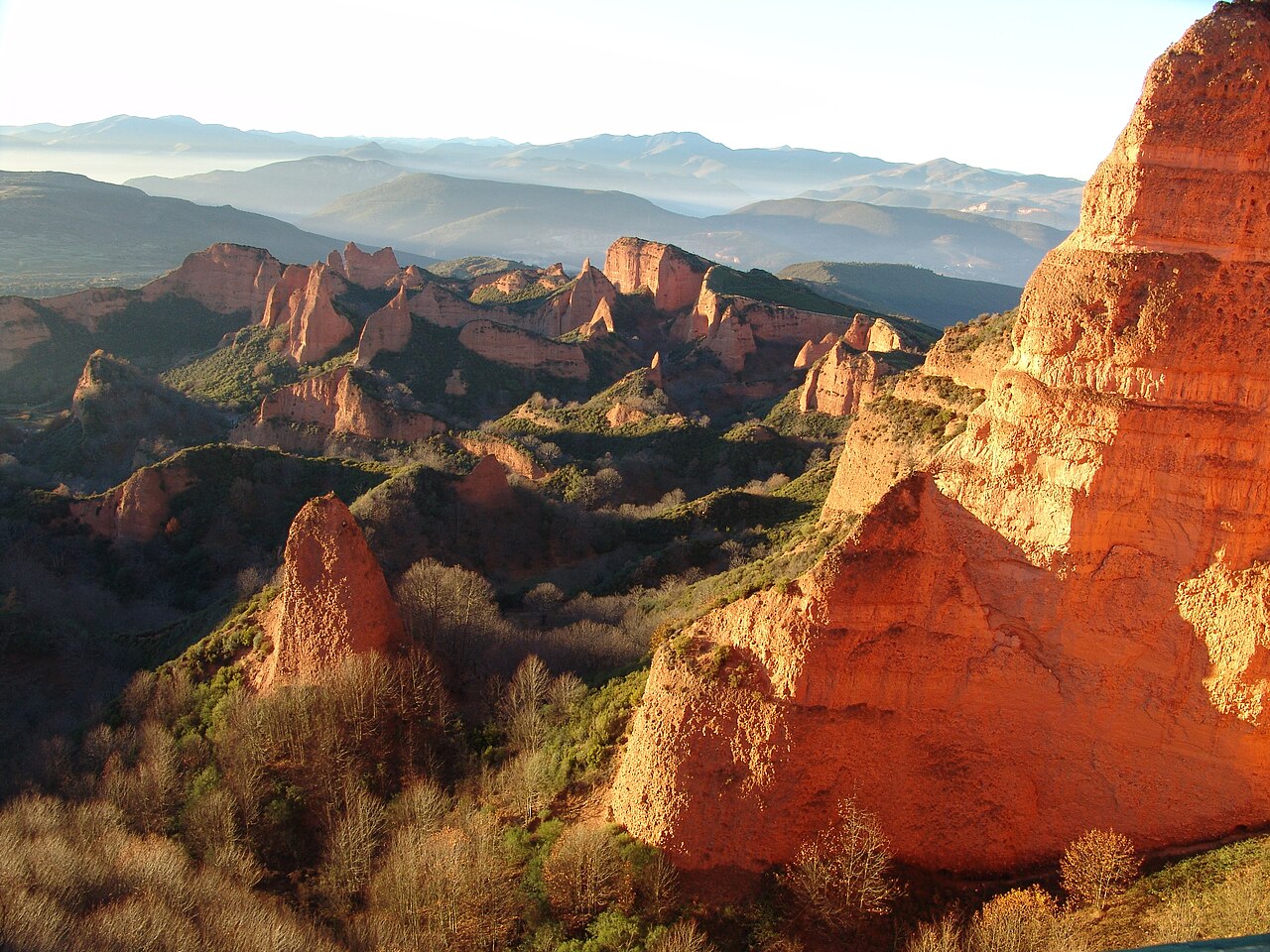
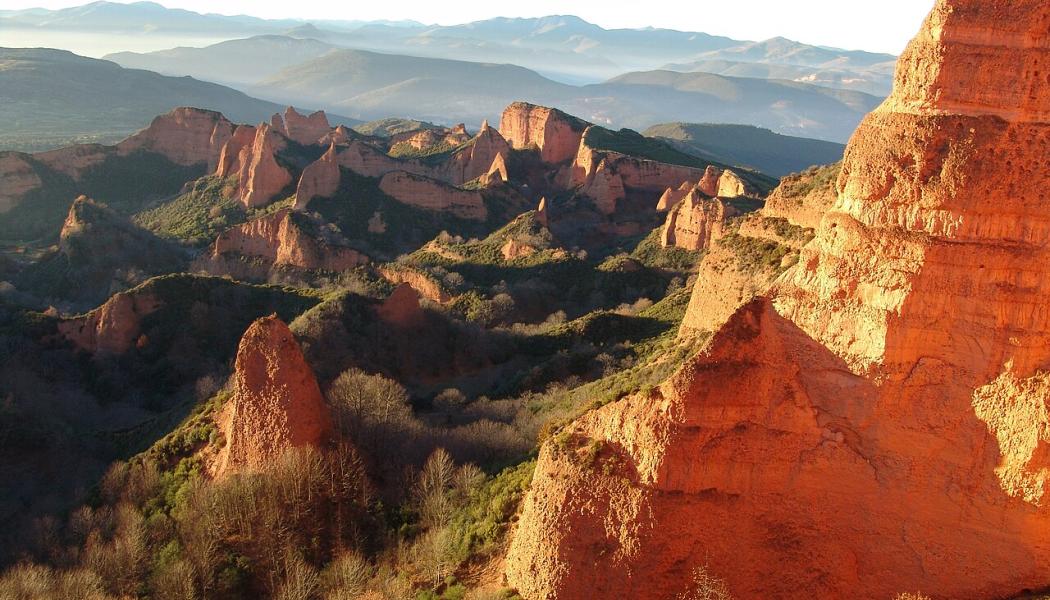
Photo caption: Mineral-rich landscape in Las Médulas in Spain, a historic mining area shaped by ancient Roman gold extraction. Foto: Rafael Ibáñez Fernández / Wikimedia Commons.
Fact check:
Demand for lithium, graphite and rare earth elements is driven primarily by battery manufacturing, electronics and advanced magnet technologies. However, many projects rely heavily on government support and favourable commodity prices, making the sector vulnerable to market volatility and shifts in industrial policy.