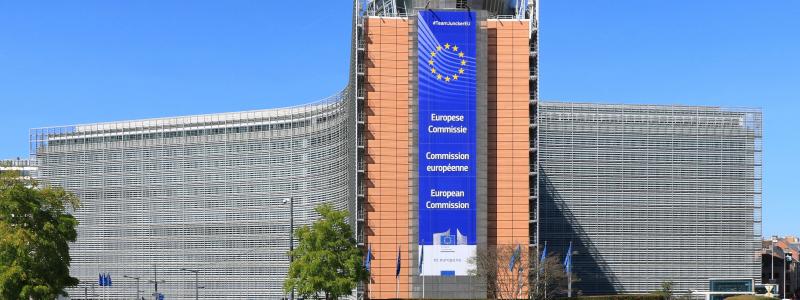

The European Commission risks directing public money to steel production outside the European Union unless “Made in Europe” requirements are tightened in the forthcoming Industrial Accelerator Act, IAA.
That warning comes from the European Steel Association, known as Eurofer, which represents major steel producers across the bloc.
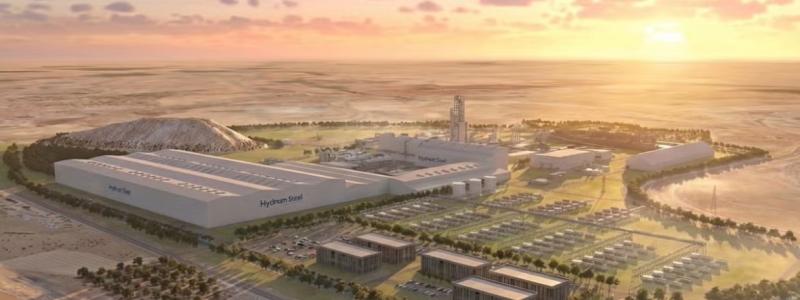
Under the current draft of the legislation, at least 25 per cent of steel procured by public authorities would need to be certified as low-emission steel. This includes steel produced using hydrogen-based direct reduced iron (DRI, combined with electric arc furnaces powered by renewable electricity. The method is widely described as the only proven route currently available to cut emissions from steelmaking close to zero.
However, Eurofer argues that the proposal lacks a binding requirement that these volumes must actually be produced within the EU.
– In today’s turbulent geopolitical context, it is unthinkable that the steel industry is not defined as strategic in the package, says Eurofer Director General Axel Eggert in a statement.
Concerns over hydrogen-based steel imports
The IAA is designed to create so-called lead markets, where public procurement and regulation stimulate early demand for strategic clean technologies. For certain sectors, local content requirements are foreseen. Such rules are proposed for electrolyser manufacturing, but not for steel.
This could allow public authorities to use state funds to purchase hydrogen-based steel from projects located outside the EU. According to Eurofer, this risks undermining Europe’s industrial competitiveness at a time when the bloc is seeking greater economic autonomy.
– This is about strengthening Europe’s autonomy, which requires robust “Made in Europe” requirements, Eggert says.
Eurofer argues that only steel produced within the EU should qualify under the scheme. Countries within the European Economic Area, such as Norway, Iceland and Liechtenstein, could also be included.
The debate comes as the EU attempts to reduce its dependence on imported raw materials and energy. Steel remains central to infrastructure, construction and defence industries, giving the question of origin and production location a clear strategic dimension.
Carbon labels and limited local rules
The draft IAA also introduces a new labelling system for the carbon intensity of steel. Detailed rules would first be developed for steel and later potentially extended to other sectors.
Eurofer warns that unclear origin rules could produce the opposite of the intended effect.
– Without clear and ambitious “Made in Europe” rules for steel, and with an overly broad or unlimited interpretation of origin, the European Commission risks financing green steel production abroad instead of strengthening its own industrial base, says Axel Eggert.
By contrast, the proposal contains specific provisions for electrolysers used in projects supported through subsidy auctions, for example, via the European Hydrogen Bank. In those cases, all electrolysers would need to be assembled within the EU or the European Economic Area.
Yet these requirements are limited. They would apply to only 50 per cent of subsidies auctioned annually per member state. Moreover, the rules would not apply if they were deemed to entail “disproportionate” costs.
Critics argue that similar exemptions could weaken the framework in practice. At the same time, hydrogen-based steel production remains significantly more expensive than conventional blast furnace routes, particularly in regions of Europe facing high electricity prices.
The Commission is now finalising the IAA proposal. Publication, initially expected earlier this week, has reportedly been postponed until March.
How far-reaching the European content requirements will ultimately be remains uncertain. For the steel sector, the outcome is critical – not only for climate policy but also for investment decisions, employment and Europe’s long-term industrial sovereignty.
Source: Hydrogen Insight.
Fact check:
The Industrial Accelerator Act is a legislative proposal from the European Commission aimed at strengthening demand for strategic climate technologies through public procurement and targeted market rules. The proposal has not yet been formally adopted and may change before publication.