


The global race to develop cheaper and more reliable energy storage is intensifying as the weaknesses of lithium-ion batteries become harder to ignore. New research into graphene-based supercapacitors now points to a possible technological shift that could challenge lithium-ion’s long-standing dominance.
Lithium-ion batteries currently underpin both the electric vehicle industry and the rapidly expanding global energy storage market. However, the technology faces structural limitations. Most lithium-ion systems can only store energy for about four hours, which creates major problems for long-duration storage. They are also associated with fire risks linked to thermal runaway. At the same time, lithium supply chains are heavily concentrated in China, creating both geopolitical vulnerability and severe environmental and public-health impacts from extraction.
These weaknesses are driving renewed interest in alternative storage technologies.
Graphene supercapacitors reach record performance
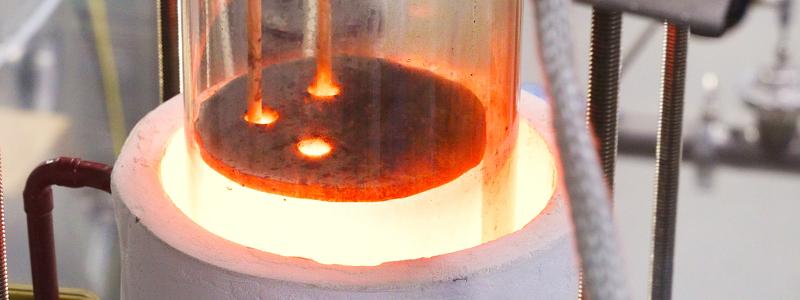
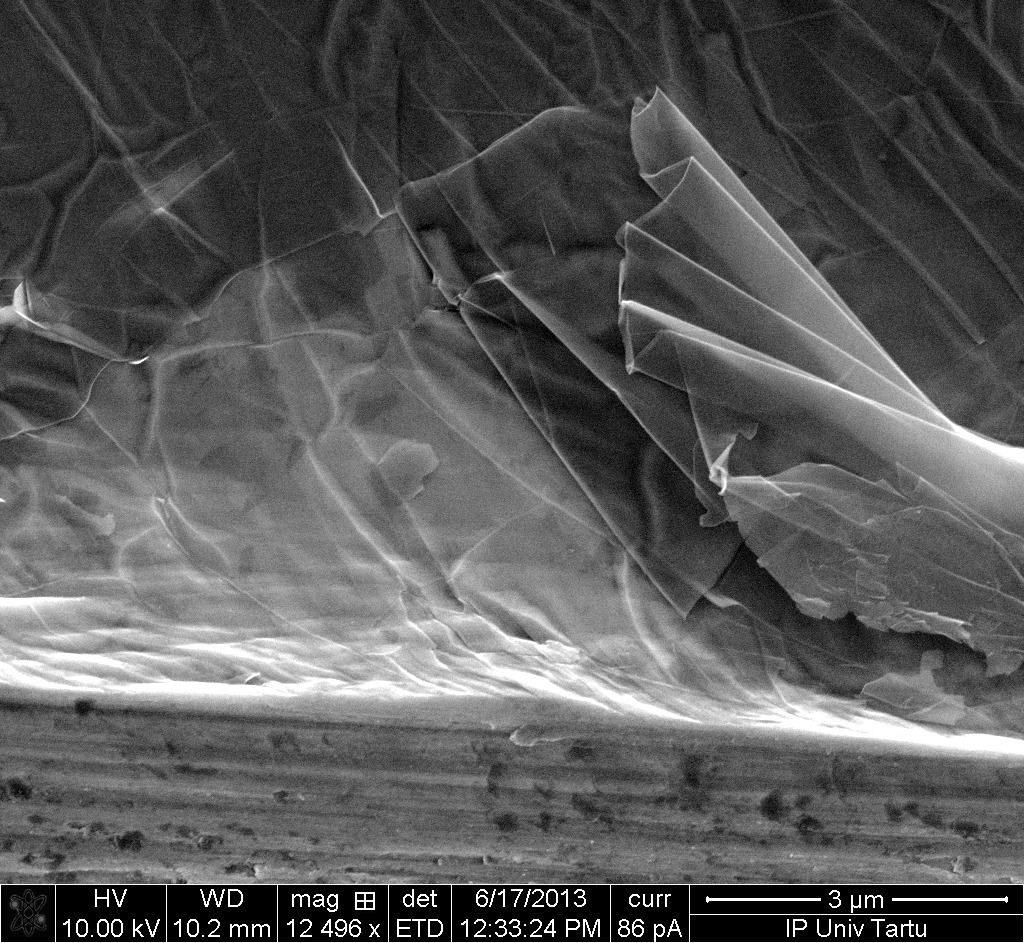
One of the most significant recent breakthroughs comes from researchers who have developed a new graphene-based supercapacitor material. According to published research, the material can approach the energy density of lithium-ion batteries while charging at a dramatically faster rate.
The breakthrough is based on a curved and highly accessible graphene network structure. This design has allowed researchers to achieve record-high values for both energy density and power density. The team behind the work states that this could enable next-generation applications in electric transport, grid balancing and consumer electronics.
The study, published in the scientific journal Nature Communications, also highlights durability as a major advantage. Long-term stability was maintained even under aggressive testing conditions. This is a critical requirement for grid-scale energy storage, where continuous operation is essential.
Until now, lithium-ion batteries have retained a technical edge due to their balance of energy density, lifetime and temperature resistance. The new graphene results place that advantage under increasing pressure.
Flow batteries and metal chemistries gain ground
Alongside graphene, several alternative battery chemistries are advancing. These include vanadium flow batteries as well as systems based on zinc and iron. These technologies are particularly suited for long-duration energy storage, where electricity must be stored for days, weeks or even seasons.
Such long-term storage is increasingly necessary in power systems with large shares of weather-dependent electricity production. When output from wind and solar fluctuates over extended periods, imbalances between supply and demand can persist far longer than lithium-ion systems can feasibly cover.
Economic challenges, however, remain substantial. Many alternative battery developers are focused exclusively on energy storage. By contrast, lithium-ion manufacturers also serve the electric vehicle sector, giving them broader and more resilient revenue streams.
– This lack of revenue diversification poses a significant risk and leaves these companies more vulnerable to shifts in market sentiment, Energy Storage News reports.
At the same time, the addressable end market for alternative battery chemistries remains relatively small, which limits economies of scale. Companies such as Invinity Energy Systems in vanadium flow, Eos Energy with zinc, and ESS Tech with iron are therefore widely seen as technically promising but financially exposed.
Grid instability drives storage growth
The global energy storage market continues to expand rapidly. This growth is increasingly driven by grid instability linked to the rising share of weather-dependent wind and solar generation.
Despite political turbulence, the expansion of wind and solar power continues at high speed in many regions, supported by subsidies and priority grid access. This, in turn, increases dependency on expensive backup capacity and large-scale storage systems.
Energy Storage News notes that demand for long-duration energy storage is now rising sharply, precisely where flow batteries and alternative chemistries offer their strongest technical advantages.
However, major obstacles remain. Capital requirements are substantial, profitability remains uncertain, and many projects still depend on regulatory support rather than stable market-driven demand.
Graphene and other emerging battery technologies clearly demonstrate that lithium-ion is no longer the unchallenged standard. Whether these alternatives can move beyond the laboratory into reliable, large-scale industrial production remains an open question.
Source: Oilprice.com – Haley Zaremba
Fact check:
Graphene is a single-atom-thick carbon material with extremely high electrical conductivity. Supercapacitors store energy electrostatically and can charge very rapidly, but until now have suffered from low energy density compared to batteries. Flow batteries store energy in liquid electrolytes and are mainly used for stationary long-duration storage.