


The United States and Colombia have agreed to deepen cooperation on critical minerals, including tungsten, antimony and rare earth elements. Colombian deposits could give US buyers more suppliers and reduce their reliance on China if the projects prove commercially viable.
The two countries reached the agreement in early September as Colombian President Abelardo de la Espriella moved to strengthen ties with Washington following Gustavo Petro’s presidency, Oilprice.com reported.
According to the US State Department, the agreement covers geological mapping, mining technology, permitting and recycling. The two countries also aim to attract investment to help projects advance from exploration to production.
Imports meet most US antimony needs
Tungsten and antimony are among 60 minerals on the US critical minerals list. Tungsten is used in cutting tools and heat-resistant components. According to the US Geological Survey, net imports account for about 91 per cent of US antimony consumption, while recycling lead-acid batteries supplies about 8 per cent.
China’s role in mining and processing critical minerals leaves US buyers exposed to trade restrictions. Beijing’s restrictions on exports of antimony, gallium and germanium to the United States highlighted that dependence.
Tungsten in Caldas, antimony near Medellín
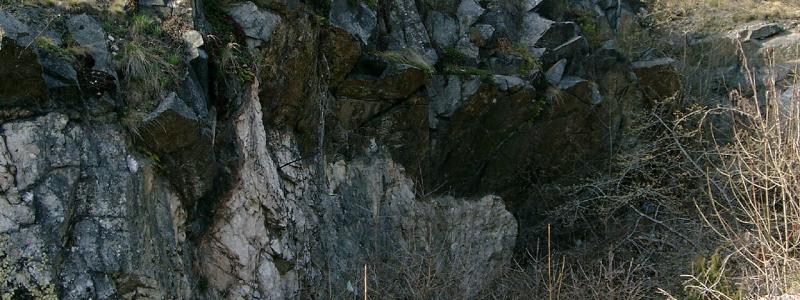
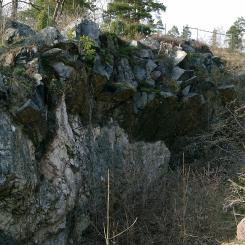
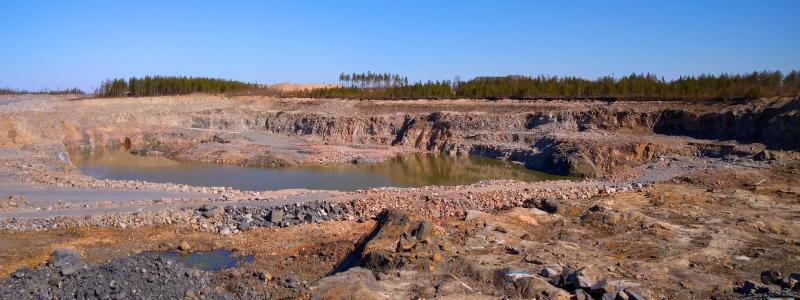
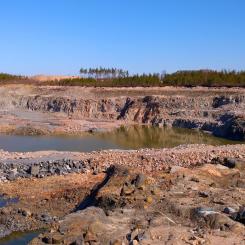
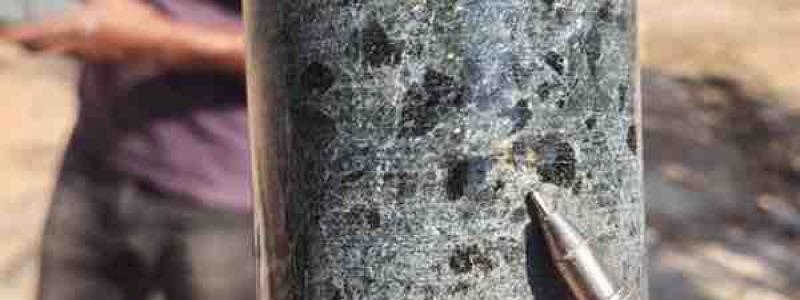
At the Guayabales project in Colombia’s Caldas department, Collective Mining has reported drill results from a zone containing tungsten, gold, silver and copper. At Margaritas, about 50 kilometres west of Medellín, Royal Road Minerals used geological mapping and surface sampling to identify a larger area of mineralised veins containing silver and antimony.
Both projects are still at the exploration stage. Further work is needed to establish the size of the deposits and whether they can support profitable mining.
Sources
Oilprice.com, with information from the US State Department, the US Geological Survey, Collective Mining and Royal Road Minerals.