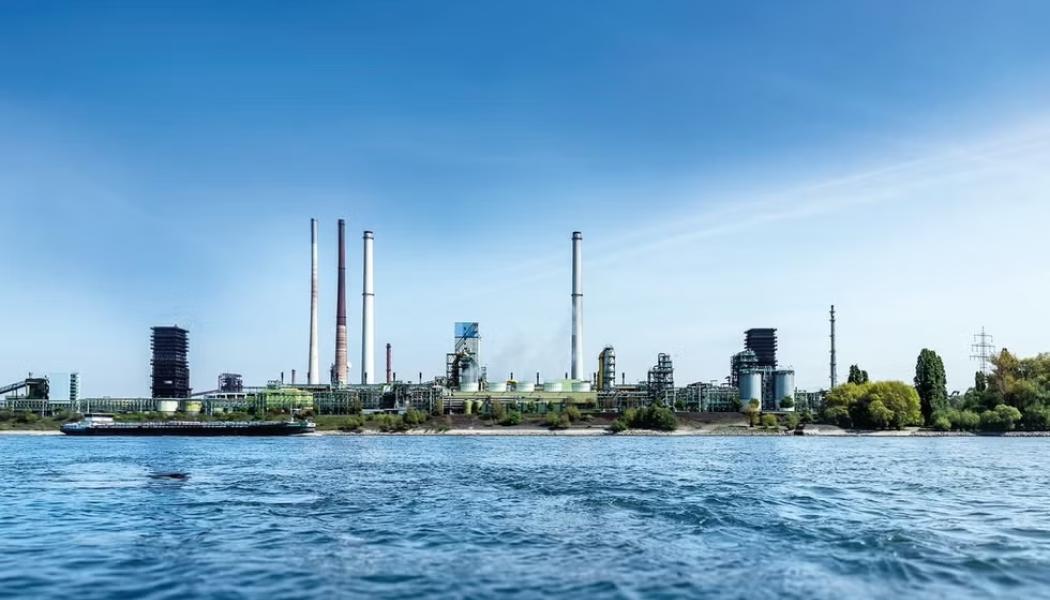
Hydrogen costs have risen, and supply infrastructure is developing more slowly than expected. Thyssenkrupp Steel has now received a final decision revising the funding conditions for its tkH2Steel project in Duisburg, allowing a more gradual increase in hydrogen use.
According to the company, the European Commission previously confirmed that the changes comply with EU state aid rules.
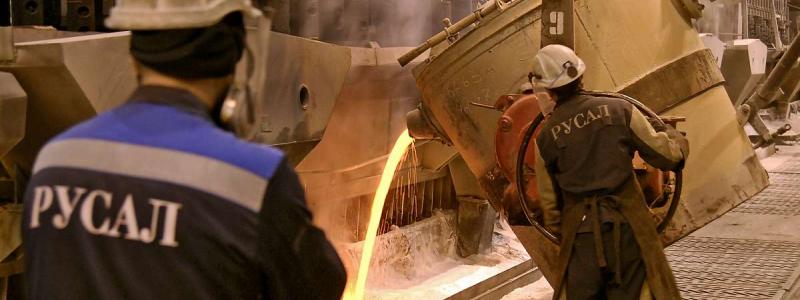
The revised decision is intended to provide the financial conditions needed to continue building the direct reduction plant, a central part of Thyssenkrupp’s transition away from coal-based ironmaking.
Hydrogen market falls short of expectations
The hydrogen market has failed to develop in line with the assumptions underpinning the original funding decision. Production capacity, pipelines and import routes are still insufficient, the company says.
Green hydrogen is also significantly more expensive than anticipated, weakening the economic case for its use in ironmaking.
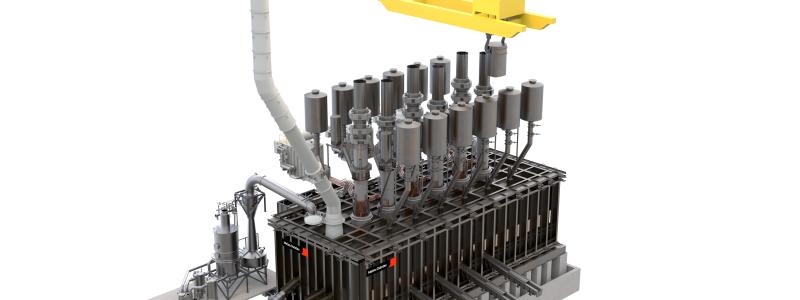
The plant is designed to operate on natural gas, hydrogen or a mixture of both. According to Thyssenkrupp, natural gas operation alone can reduce carbon dioxide emissions by more than 50 per cent compared with the current coal-based blast furnace process.
Full hydrogen operation remains the goal. However, the pace of the transition will depend on availability, economic viability and customer demand. The announcement gives no date for completing that transition.
New hydrogen tender planned
Thyssenkrupp is preparing a new tender for long-term hydrogen supplies. It is expected to begin shortly, drawing on findings from the first procurement process concerning prices, available volumes and supply chains.
– The revised funding decision gives us the planning certainty we need to continue with the build. At the same time, we are aligning the ramp-up with actual market conditions, says Chief Financial Officer Philipp Conze in the press release.
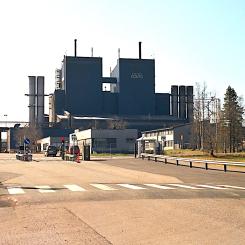
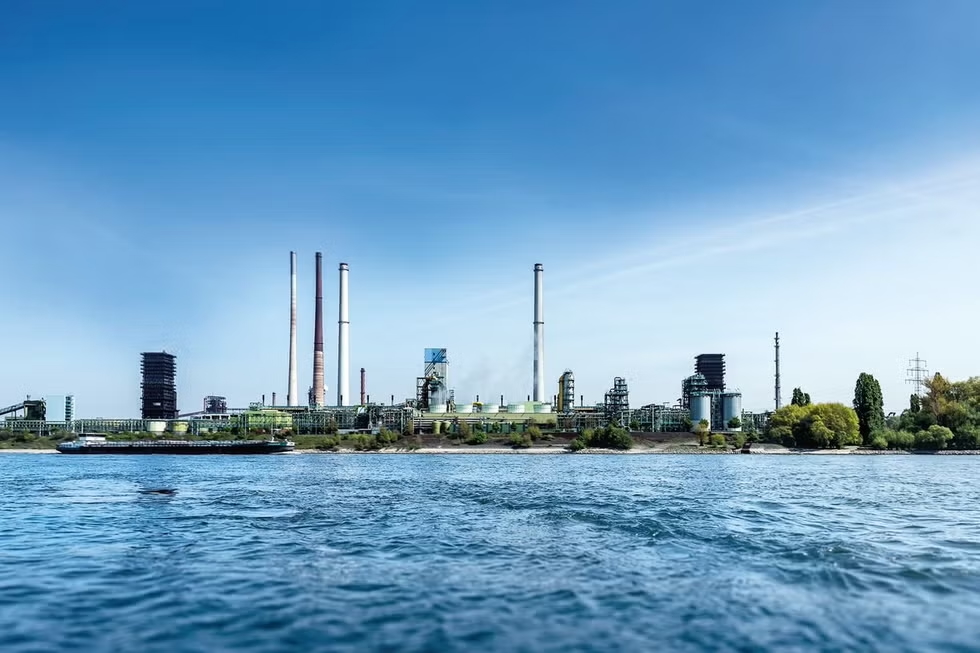
Construction continues in Duisburg
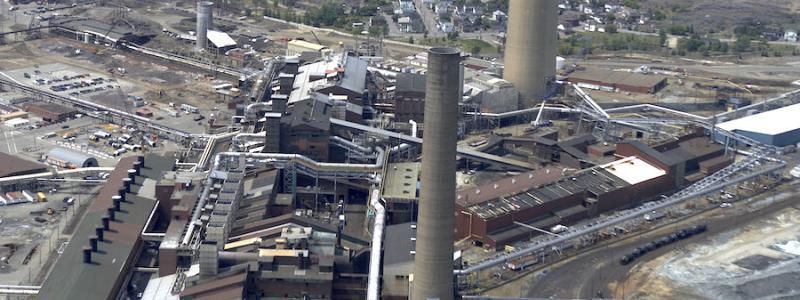
Construction is continuing, including concrete work for the direct reduction tower and the two melting units.
The plant is designed to produce 2.5 million tonnes of direct reduced iron annually. The company estimates that it could cut carbon dioxide emissions by up to 3.5 million tonnes a year.
The equipment will be integrated into the existing steelworks, allowing downstream production processes and the manufacture of different steel grades to be retained.
Source: Thyssenkrupp Steel, press release