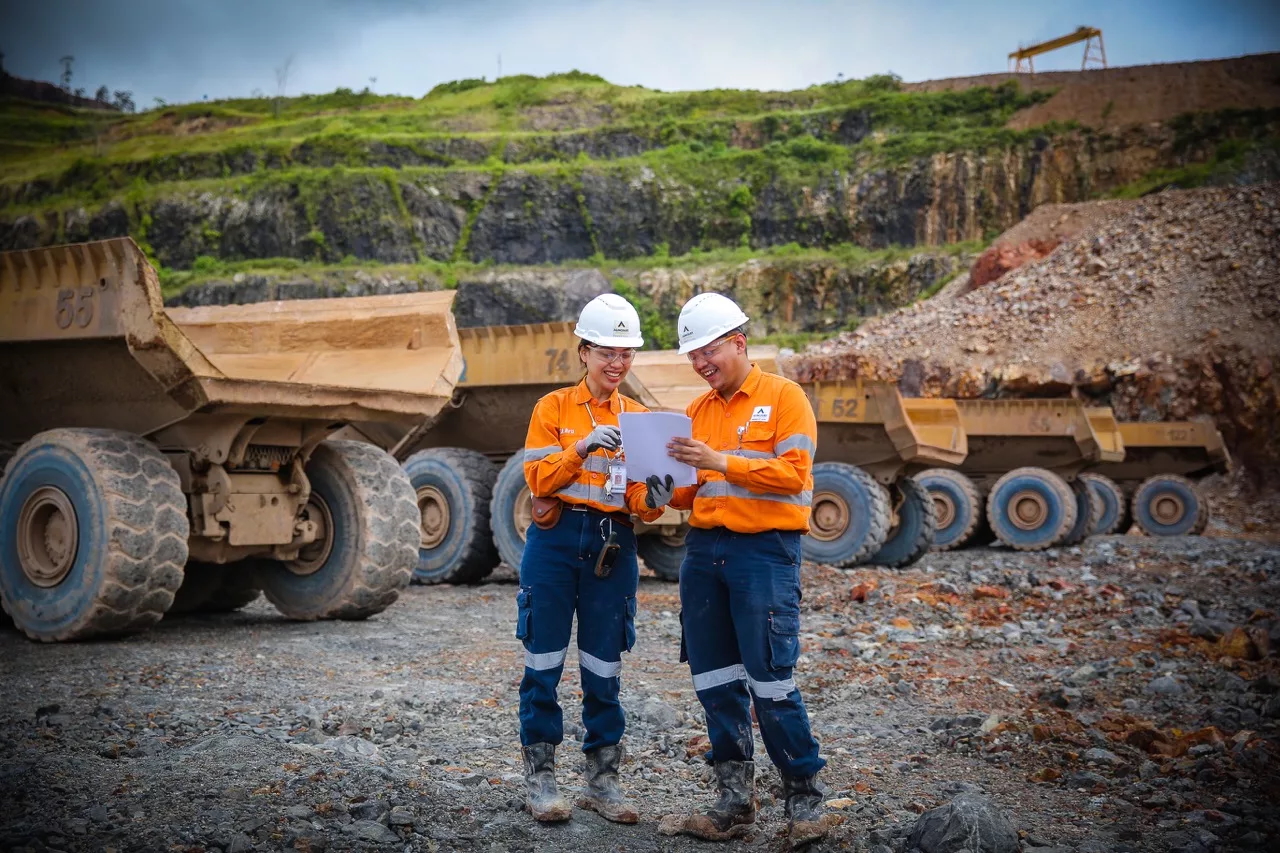

The US Department of Energy is allocating $16 million to education in mining and critical minerals. The initiative aims to address a growing shortage of engineers and other skilled workers as the country expands domestic extraction, processing and recycling.
The programme, called the PROSPECT Planning Prize, covers 16 educational institutions. Each selected programme can receive $1 million to develop courses and training designed to meet industrial workforce requirements.
The initiative extends beyond conventional mining. It is also intended to support education in mineral processing, recycling, recovery from mining waste and other parts of the critical raw materials value chain.
The programme reflects the gap between US industrial ambitions and the availability of qualified workers. According to figures cited by Oilprice.com, American universities awarded only 163 mining engineering degrees in 2025. China reportedly awarded around 3,000 during the same year.
The United States is estimated to need approximately 6,000 new mining engineers over the next decade to replace retiring employees and staff new projects. These figures are industry and government estimates, however, and the actual requirement will depend on how many planned investments are completed.
Education has become a strategic bottleneck
The United States has approved or proposed substantial investments in mines, processing facilities and recycling plants in recent years. The projects cover materials including lithium, copper, graphite, nickel and rare earth elements.
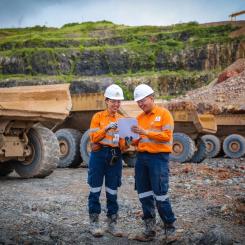
Financing and permits alone are not sufficient to build and operate these facilities. The industry also needs geologists, mining engineers, metallurgists, process technicians, environmental specialists and experts in waste management and material recovery.
Many American mining programmes were reduced or closed during decades when the country increasingly relied on imported raw materials and processed products. At the same time, a significant part of the existing workforce is approaching retirement.
– The goal is for these programmes to produce graduates with qualifications that meet the needs of American reindustrialisation, Assistant Secretary of Energy Audrey Robertson told the Washington Examiner.
According to the Department of Energy, the PROSPECT programme will connect education more closely with the practical requirements of companies. Measurable outcomes and cooperation with industry are expected to play important roles in the selection and evaluation of projects.
Training workers quickly enough will remain a challenge. A new mine or processing plant can be planned alongside educational initiatives, but completing an engineering degree takes several years, while developing specialist expertise requires even longer.
China continues to dominate processing
The education initiative forms part of a broader US effort to reduce its dependence on China. Beijing holds a strong position in the extraction and, in particular, processing of numerous critical minerals.
According to figures cited in the source material, China’s share of global rare earth processing declined from around 90 per cent in 2023 to approximately 85 per cent in 2025. Its share of critical mineral processing overall reportedly increased from 70 to 72 per cent during the same period.
The percentages vary according to the minerals and processing stages included. Nevertheless, they indicate that new investments in the United States, Australia, Malaysia and other countries have not yet fundamentally changed the global market structure.
Processing is especially important because control of a mineral deposit is not enough. Ore must be converted into materials with the required purity and properties before it can be used in batteries, electric motors, power grids, electronics or defence equipment.
China developed its position over several decades through investments in mines, refineries, infrastructure, education and international raw-material agreements. The country has also used export restrictions as a trade-policy instrument, increasing concerns about supply security in the United States, Europe and Japan.
Agreements cannot replace a domestic supply chain
The US administration says it has signed or approved more than 150 critical-minerals agreements since the beginning of President Donald Trump’s second term. Their combined value is stated to exceed $40 billion.
These figures come from the administration and probably include projects at different stages of development. A signed agreement does not necessarily mean that a mine or processing facility has been built or entered operation.
The United States is also seeking closer relations with mineral-producing countries. Competition is intense because many governments no longer want to export only unprocessed ore. Resource-rich countries increasingly seek to retain more processing, employment and tax revenue within their own economies.
This development is visible in South America’s so-called lithium triangle, covering Argentina, Bolivia and Chile. American companies must compete both with established Chinese businesses and with national requirements for domestic processing and value creation.
The $16 million education programme is modest compared with investments in new mines and processing plants. It nevertheless addresses a fundamental weakness: without skilled personnel, even financed and permitted projects can be delayed.
The success of the US minerals strategy will therefore depend on more than access to deposits. Energy supplies, permitting, environmental assessments, processing technology and the ability to train and retain workers will be equally important.
Sources: US Department of Energy, Washington Examiner, Reuters, International Energy Agency and Oilprice.com.