Hydrogen-based iron and steel production is currently not economically viable in Europe. That assessment comes from Mitsubishi Heavy Industries, whose EU representative Maria João Duarte points to structural barriers holding back deployment.
– In Europe right now, hydrogen-based direct reduction of iron is clearly not economically viable, Duarte said at an industry conference on hydrogen in Vienna organised by UNIDO.
Power shortages and missing infrastructure
According to Duarte, the main constraints are a lack of affordable renewable electricity and insufficient infrastructure for hydrogen imports.
– We do not have enough renewable energy available to produce hydrogen, and we do not yet have the infrastructure to import it at scale. There is a clear infrastructure gap that needs to be addressed, she said.
The issue is fundamental because producing so-called green hydrogen requires large volumes of electricity. Energy alone accounts for around 70 per cent of total production costs. With persistently high power prices across Europe, the economic case becomes difficult.
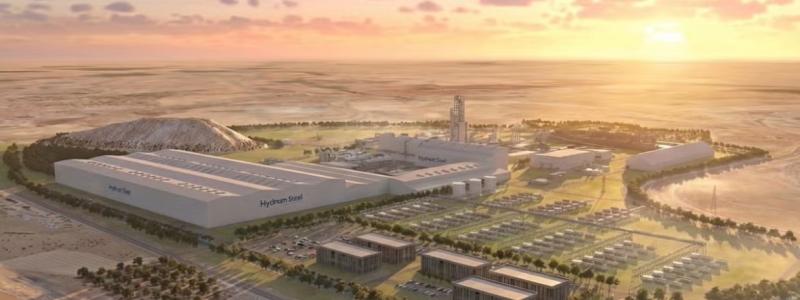
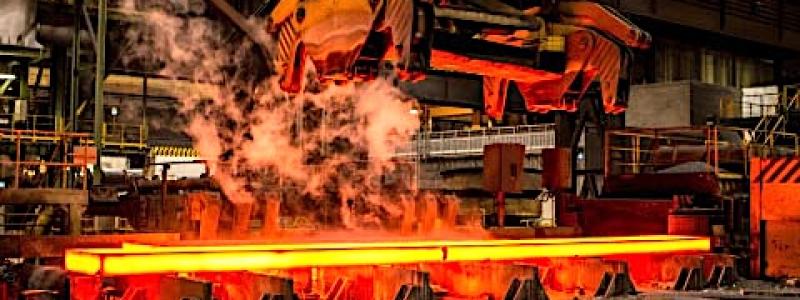
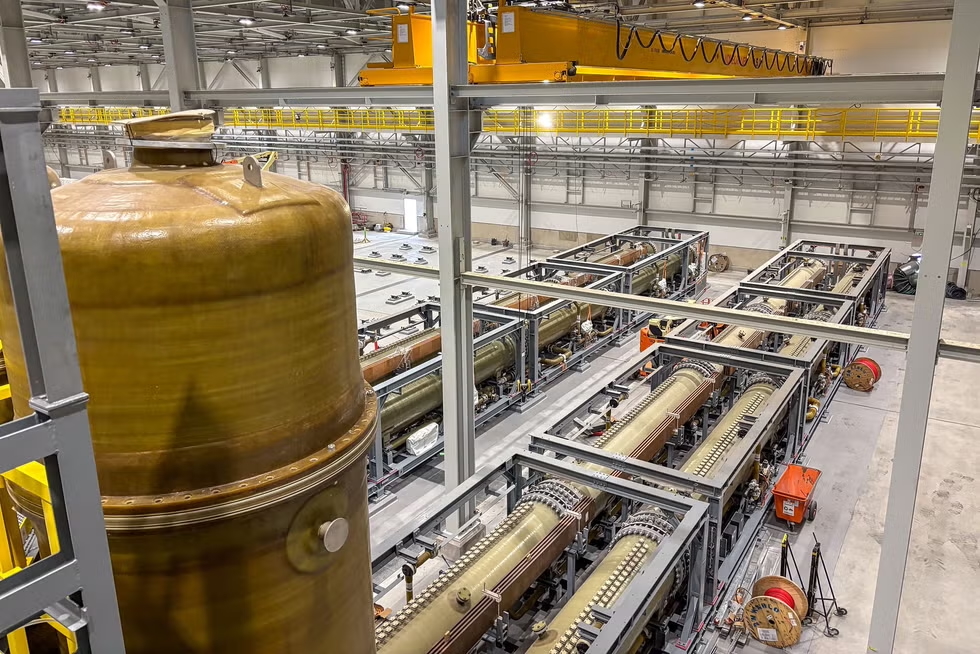
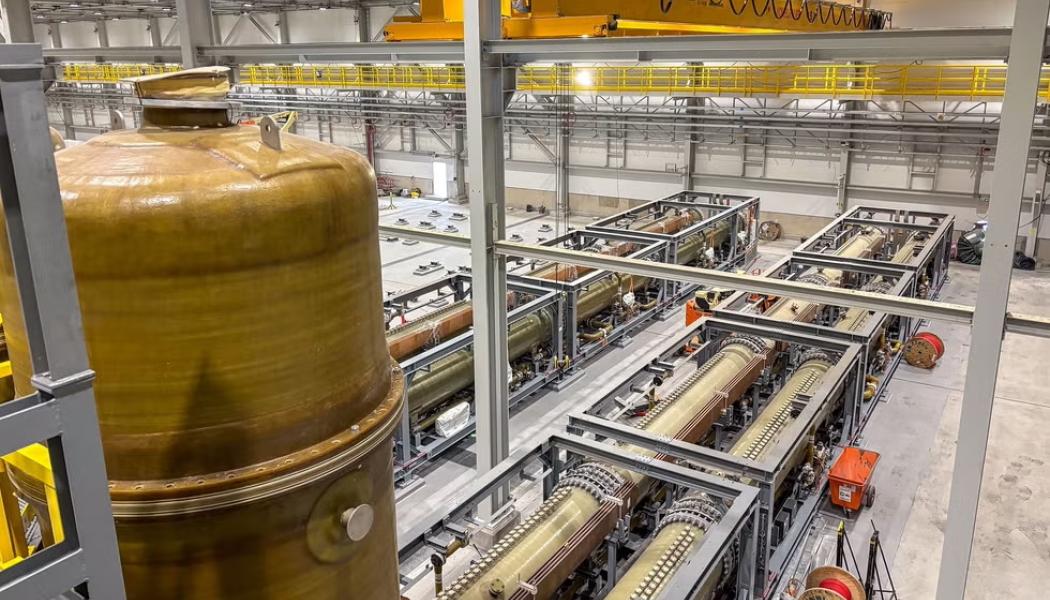
At the same time, large-scale projects are moving ahead. At Stegra’s steel plant in Boden in northern Sweden, electrolysers are being installed to produce hydrogen for industrial use. These systems use electricity to split water into hydrogen and oxygen through electrolysis, providing the key input for fossil-free steelmaking.
High costs weigh on the steel sector
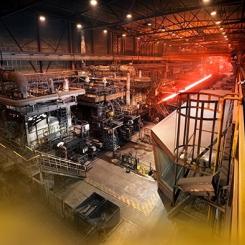
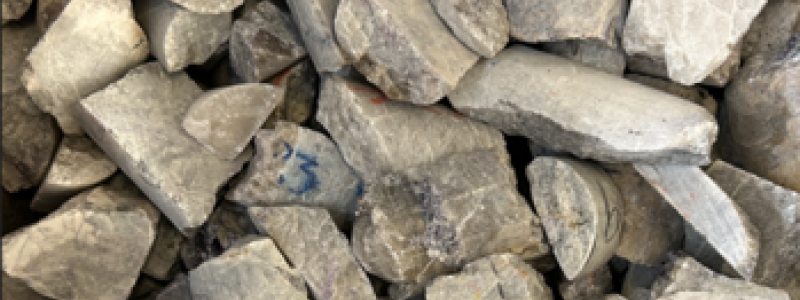
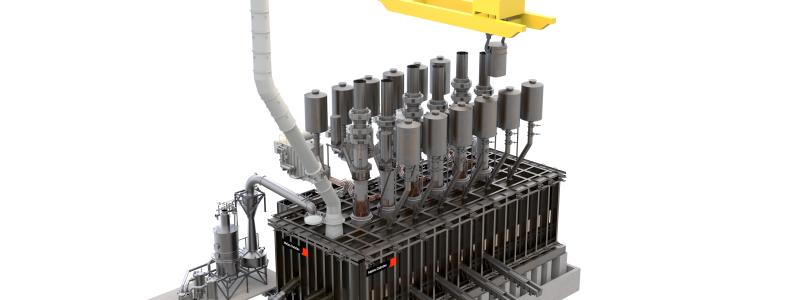
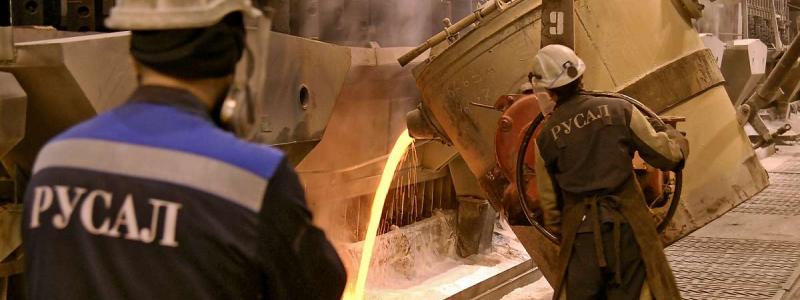
Direct reduced iron (DRI) technology replaces coal with hydrogen or natural gas to extract iron from ore. It is often presented as an alternative to blast furnace production, which generates significant emissions.
However, Duarte emphasised that the technology remains capital-intensive.
– We are talking about high capital expenditure and, by extension, high operational costs. At the same time, the steel sector is extremely sensitive to international competition and energy prices, she said.
This combination creates a difficult environment for investment, particularly in Europe, where industrial electricity prices are higher than in competing regions.
Uncertain outlook despite policy support
Despite current challenges, some studies suggest hydrogen-based steel could become competitive within a few years. Research published in Nature indicates that the technology could reach economic viability in Europe as early as 2026.
A key condition is the effectiveness of EU policy instruments, including the emissions trading system EU ETS and the carbon border mechanism CBAM.
CBAM requires importers to pay for embedded emissions in goods entering the EU, aiming to align carbon costs between domestic and foreign producers.
– A strong emissions trading system and a functioning carbon border mechanism are fundamental to moving forward, Duarte said.
She also called for structural reforms in electricity pricing.
– Changes in how electricity prices are formed and the signals provided there are another important measure, she added.
Alongside hydrogen, alternative approaches are also being explored. One option under discussion is the use of ammonia in the reduction process, which in some cases could offer lower costs than pure hydrogen.
However, the broader conclusion remains unchanged. Without lower energy costs and significant infrastructure expansion, investments in new steelmaking routes risk remaining economically uncertain in Europe.
Source: Statements from Mitsubishi Heavy Industries at a UNIDO conference in Vienna.
Fact check
Hydrogen-based steel production is often highlighted as a way to reduce industrial emissions. However, both industry representatives and independent studies show that the technology currently depends heavily on cheap electricity and large-scale infrastructure investments that are not yet in place in Europe.