

SSAB and the University of Oulu are developing new technologies to reduce carbon dioxide emissions from steel production without compromising material quality. Two research projects with a combined budget of €40 million aim to support the transition from conventional blast furnaces to electricity-based production and advanced high-strength steels.
Steel production accounts for an estimated 7–9 per cent of global carbon dioxide emissions. In Finland, the industry generates more than four million tonnes annually, according to the University of Oulu.
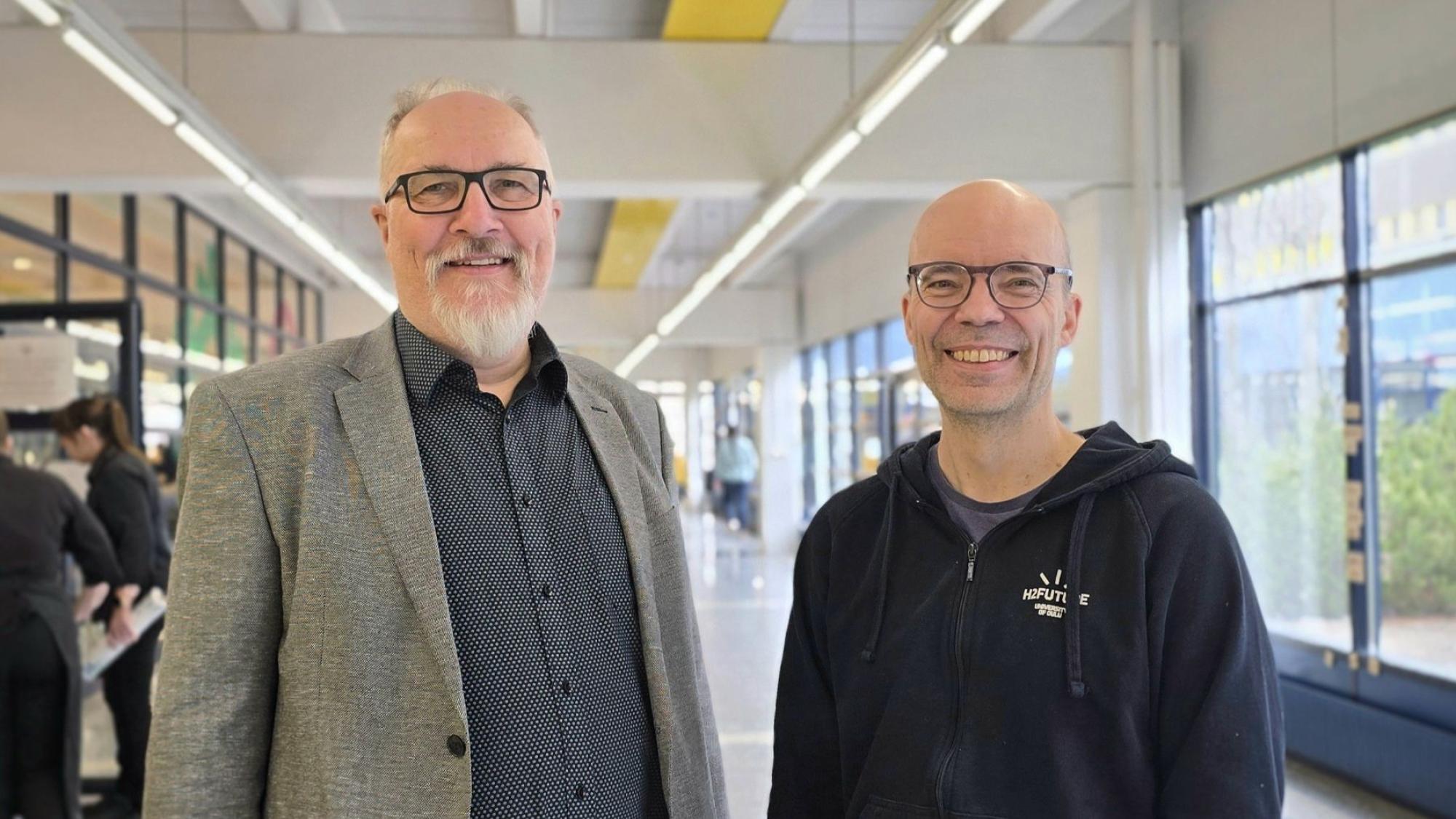
Professor Timo Fabritius, who heads the university's process metallurgy research, says reducing these emissions by around 90 per cent would significantly support Finland's climate objectives.
However, this remains a potential future reduction rather than an achieved result.
Two research projects worth €40 million
The three-year RIS4E project has a budget of €23 million. It focuses on advanced high-strength, low-carbon steels and digital simulations of manufacturing processes.
The research involves steel users from the maritime, crane manufacturing and forestry machinery industries.
By starting with the technical requirements of finished products, researchers aim to optimise steel properties and production methods.
The second project, FutSteel, has a budget of €17 million. It aims to modernise the entire production chain by combining electric arc furnace technology with improved hot-rolling processes.
SSAB's steelworks at the centre
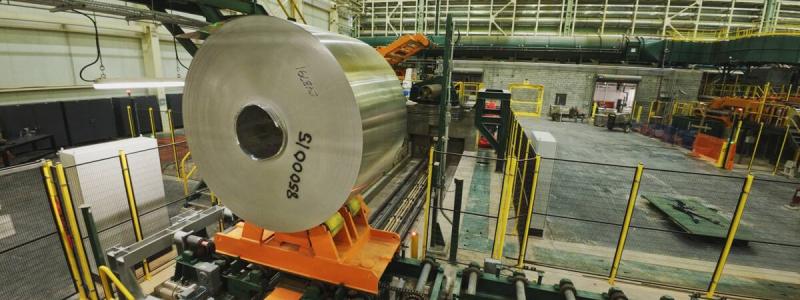
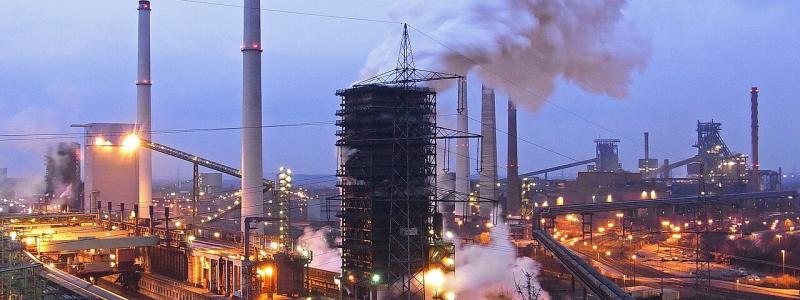
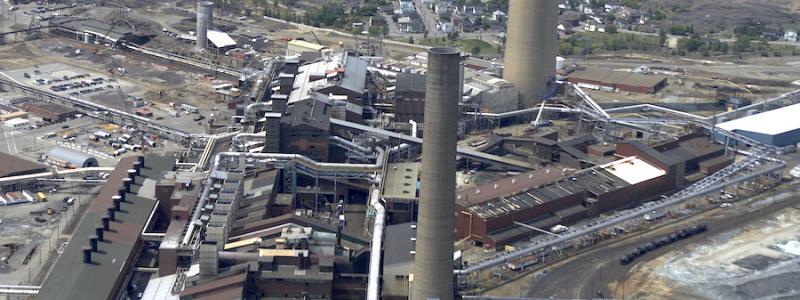
A major focus is SSAB's steelworks in Raahe, northern Finland.
Researchers are examining how existing production systems can be replaced with substantially lower-emission technologies without compromising steel quality or delivery reliability.
According to the project leaders, this transformation requires changes throughout the value chain, from raw materials and manufacturing to product development and deliveries.
Professor Jukka Kömi also highlights the potential of stronger steels to reduce material consumption by enabling lighter structures.
Industrial transition targeted by 2035
Both projects form part of SSAB's Sustainable World through Steels research programme, supported by Business Finland.
The programme has an estimated budget of €50 million, including €20 million in funding granted to SSAB by Business Finland.
Its objective is to establish an internationally competitive research ecosystem and support the transition towards low-carbon steel production in Finland by 2035.
Cooperation between SSAB and the University of Oulu dates back to the 1960s. Researchers emphasise that close industrial involvement is essential for turning scientific advances into commercially viable manufacturing technologies.
Sources: University of Oulu, 8 October 2026; SSAB, 21 April 2026; Business Finland.