

The UK government has formally brought British Steel into public ownership after determining that nationalisation is in the country's national interest. The decision follows months of unsuccessful negotiations with the company's Chinese owner, Jingye, and is intended to secure Britain's remaining capacity to produce virgin steel.
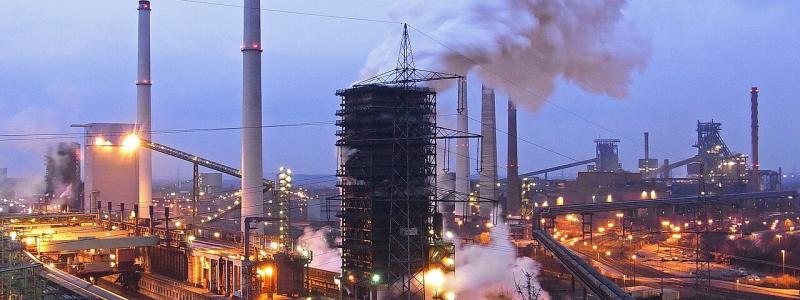
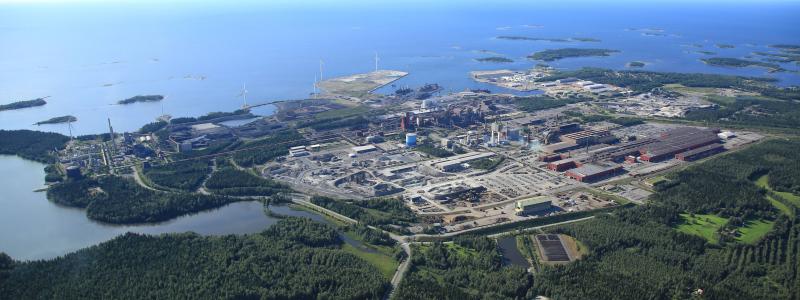
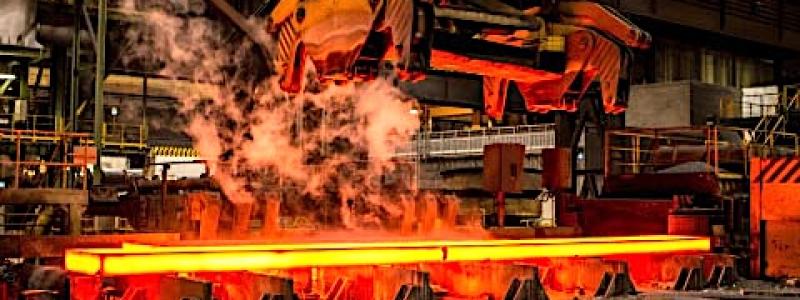
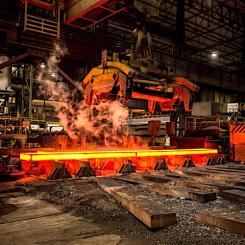
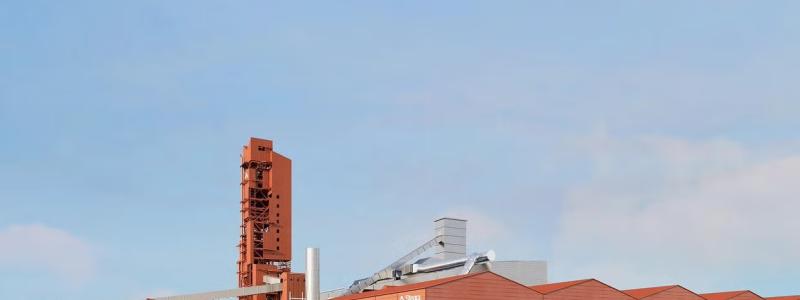
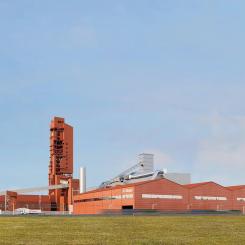
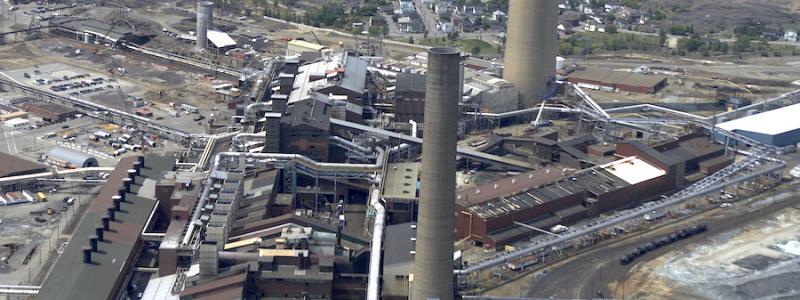
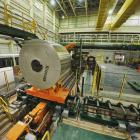
The nationalisation centres on the Scunthorpe steelworks, home to the UK's last two operational blast furnaces for primary steel production. According to the government, the move will protect thousands of jobs at the plant and throughout its extensive supply chain.
New legislation enabled government intervention
The takeover follows recently adopted legislation granting ministers the authority to nationalise steel companies considered essential to the country's economy, critical infrastructure, and national security.
Prime Minister Keir Starmer said the decision secures the future of British steelmaking, while Business Secretary Peter Kyle stressed that preserving domestic steel production is of strategic importance.
"British Steel is one of the nation's largest steel producers, and I have decided to nationalise the business to secure Britain's steelmaking capability and maintain production in the national interest," Peter Kyle said.
Talks with Jingye collapsed
The decision comes after prolonged negotiations between the government and Jingye Group, which acquired British Steel in 2020. Over the past year, the two sides sought to reach an agreement on a government funding package aimed at modernising the company's operations, but discussions ultimately failed.
According to the government, Jingye subsequently considered significantly scaling back—or even closing—production at Scunthorpe, a move that would have left the UK without large-scale primary steelmaking capacity.
Earlier this year, Parliament convened in a rare emergency Saturday session to pass legislation allowing the government to intervene if no commercial solution could be reached.
New leadership to stabilise the business
As part of the nationalisation, British Steel has appointed a new interim management team tasked with stabilising operations and developing a commercially sustainable long-term strategy.
Interim Chief Executive Allan Bell described the decision as a historic milestone.
"This is not only a momentous day for British Steel, but also for Britain and UK manufacturing. It safeguards our future and strengthens the nation's industrial resilience," he said.
An independent valuer will now determine whether Jingye is entitled to financial compensation for the compulsory acquisition.
The nationalisation returns British Steel to state ownership and reflects the UK government's view that domestic steelmaking is a strategic capability at a time of growing geopolitical tensions, increasing supply chain concerns, and heightened focus on national resilience.
Sources: Oilprice.com, City A.M., UK Department for Business and Trade.