


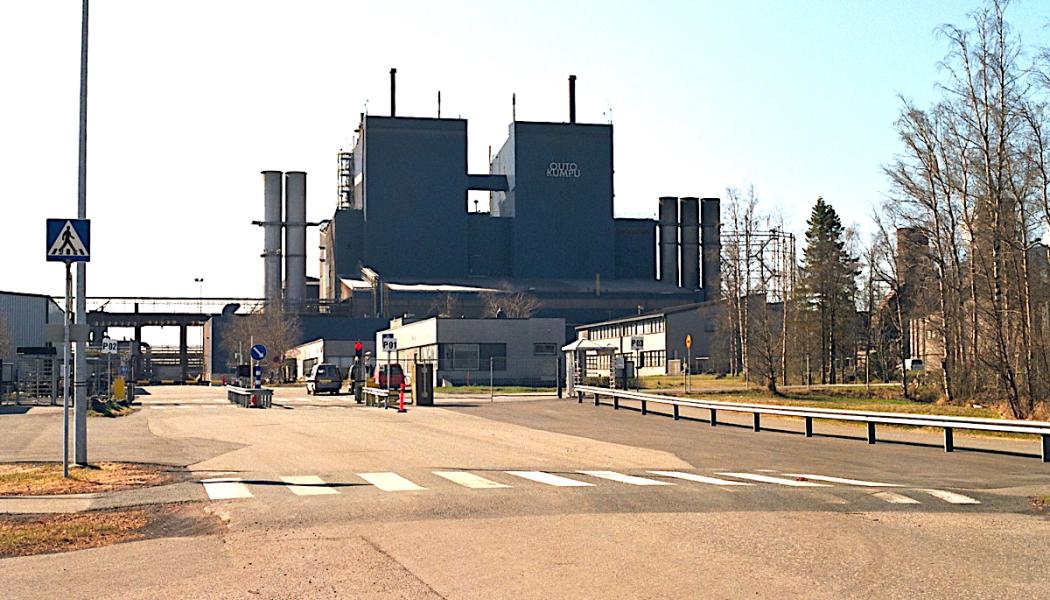
Finnish stainless steel producer Outokumpu is warning that Finland’s rapidly rising electricity demand could undermine future industrial investments. CEO Kati ter Horst says the growing number of energy-intensive data centre projects is creating uncertainty around the country’s long-term power supply.
In an interview with Talousaamu, ter Horst stressed that heavy industry requires stable and predictable electricity availability over decades in order to justify major investments.
“It is important for Finland to have an open and fact-based discussion about what the country’s electricity system will look like in the long term. The key question is what industrial electricity prices will look like 20 years from now,” she said.
“Industry cannot survive on wind power alone”
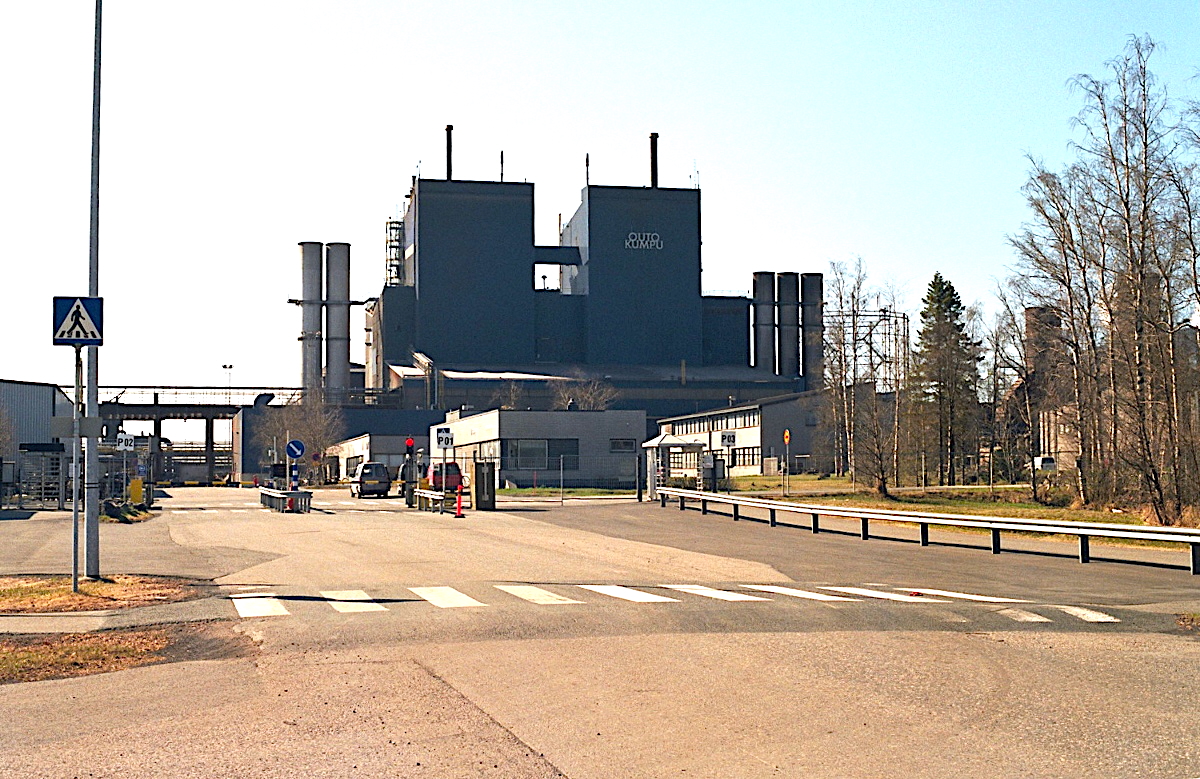
Outokumpu remains Finland’s single largest electricity consumer, accounting for around four per cent of the country’s total power consumption. At the same time, ter Horst warned that even larger power users may emerge in the future, particularly from data centres and new heavy industry projects.
She pointed out that both steel production and large-scale data centres require stable baseload power and have limited flexibility when electricity supply becomes constrained.
“Industry cannot survive on wind power alone,” she said.
The comments come as Finland continues to expand weather-dependent electricity generation, particularly wind power. Critics have long argued that power systems dominated by intermittent generation risk greater price volatility, capacity shortages, and rising system costs.
Outokumpu is unwilling to become an energy company
Despite concerns over future electricity prices, ter Horst said Outokumpu does not intend to invest directly in energy production projects.
“Outokumpu is not prepared to enter into energy investments. The simple reason is that it is not our area of expertise,” she said.
However, the company is actively searching for a partner capable of building a small modular reactor, SMR, near its steel plant in Torneå. Interest in SMRs has increased among industrial companies seeking stable fossil-free baseload electricity and industrial heat.
Fennovoima still casts a shadow
Outokumpu’s cautious approach toward energy investments is also shaped by its experience with the failed Fennovoima nuclear power project.
The company was one of the key industrial backers of the planned nuclear plant in Pyhäjoki, where Russian state-owned Rosatom later became the reactor supplier. The project faced years of political controversy and mounting criticism before ultimately collapsing after Russia invaded Ukraine.
Outokumpu wrote down the full value of its investment in the project to zero already in 2021.
Rising policy costs increase industrial pressure
At the same time, frustration is growing within the Finnish industry over recent government energy policies. According to ter Horst, higher mining taxes, changes to electricity taxation, and the removal of electrification subsidies are increasing costs for industrial companies.
The issue is becoming increasingly sensitive as Finland attempts to attract new green industrial investments while electricity demand is expected to rise sharply over the coming decades.
Critics argue that current policies risk creating a situation where traditional industry is forced to absorb the costs of an increasingly strained electricity system while new large-scale electricity consumers are prioritised.
Source: News agency Yle
Fact:
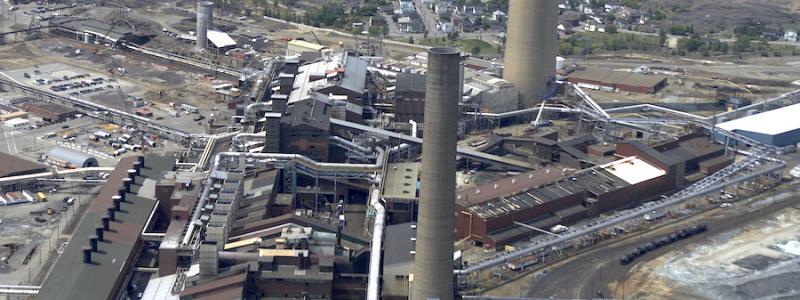
Outokumpu operates Europe’s largest stainless steel production facility in Torneå and is Finland’s largest single consumer of electricity. Small modular reactors, SMRs, are increasingly being discussed as a potential solution for industry’s future need for stable electricity generation and process heat.