


The global antimony market was valued at USD 1.12 billion in 2025 and is projected to reach USD 1.85 billion by 2034, growing at a CAGR of 5.7% from 2026 to 2034, according to Polaris Market Research. With China's suspension of its ban on antimony exports to the United States scheduled to expire on November 27, 2026, buyers and manufacturers face an important decision point for supply planning, sourcing strategies and price risk management.
China's November Deadline Creates Two Supply Scenarios
China's suspension of the US-specific export ban does not remove its broader export licensing requirements for antimony. For international buyers, the November 27 deadline therefore raises questions about the availability and cost of material.
If the suspension is extended, buyers may get a clearer picture of supply availability and continue rebuilding inventories. However, China's export licensing rules and dominant share of global production may still affect prices and delivery times.
Without an extension, US buyers could lose access to Chinese antimony. This could increase demand for supplies from other sources and result in higher prices. The actual impact will depend on China's decision, available stock, market demand and how quickly other producers can increase supply.
Before the deadline, procurement teams can reduce risks by working with multiple suppliers and securing reliable contracts.
Key Demand Drivers
- Defense: Antimony is used in ammunition, specialized alloys and other defense applications. Growing interest in secure supplies is increasing attention on domestic production and sourcing. The US Defense Logistics Agency has raised its antimony acquisition targets for FY2026.
- Solar glass and batteries: In solar PV glass, antimony is used as a fining agent. Antimony alloys also strengthen lead-acid battery grids.
- Flame retardants: Antimony trioxide is widely used in flame-retardant systems for plastics, rubber and textiles.
Supply Diversification Outside China
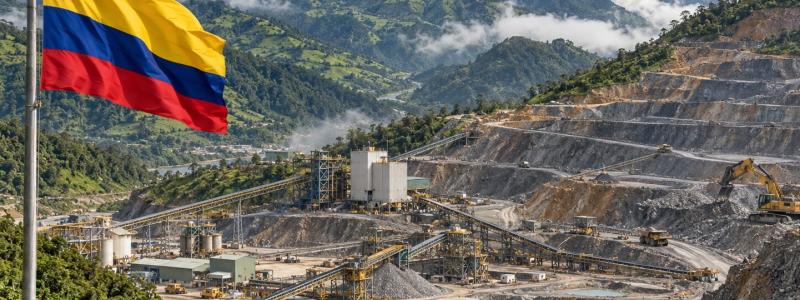
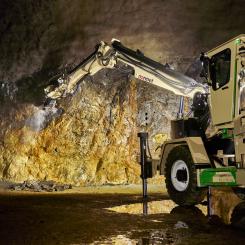
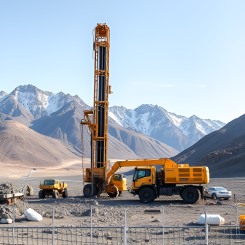
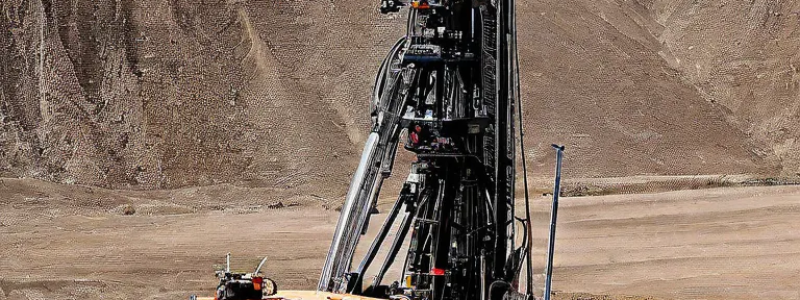
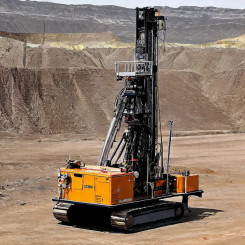
The antimony supply chain remains concentrated in a few countries, making alternative sources important for buyers. To reduce its dependence on imports, the United States is supporting domestic mining and processing projects. In Idaho, Perpetua Resources is developing the Stibnite project, the only identified US antimony reserve. Australia is also contributing to supply diversification. In February 2026, Nyrstar's Port Pirie smelter produced its first shipment of antimony metal, marking progress in expanding supply outside China.
These developments could improve supply options between 2027 and 2030. However, new projects need investment, infrastructure and time to increase production. Recycling may also help meet demand. To reduce the risk of disruptions buyers will continue to focus on alternative suppliers and reliable supply contracts.
"Whichever way Beijing decides on November 27, the direction for buyers is already set. Defense and energy users are now paying for supply security, not just the lowest price, and that is why North America is emerging as a fast-growing antimony market. Buyers who lock in non-China contracts before year-end will carry far less price risk into 2027," said Apurva Agarwal, Senior Analyst, Polaris Market Research.
Key Companies
- AMG Critical Materials N.V.
- Campine N.V.
- China Minmetals Corporation
- Hsikwangshan Twinkling Star Co., Ltd.
- Hunan Gold Corporation Limited
- Korea Zinc Co., Ltd.
- Larvotto Resources Ltd.
- Nihon Seiko Co., Ltd.
- Perpetua Resources
- United States Antimony Corporation
- Related Reports: Flame Retardants Market | Lead-Acid Battery Market
- About Polaris Market Research
Polaris Market Research is a global market research and consulting company that publishes 5,000+ reports across 20+ industry verticals.