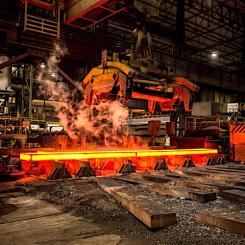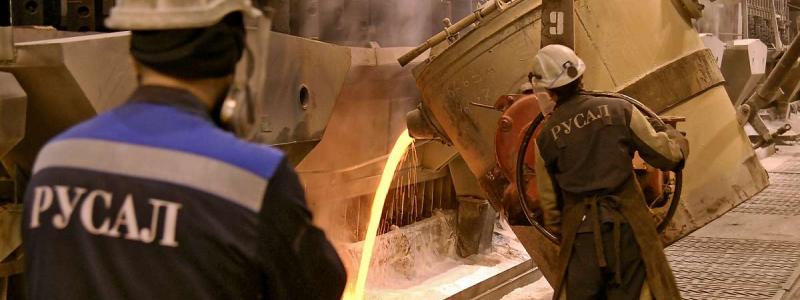
Germany produced slightly more crude steel in August than a year earlier, but the two main production routes moved in different directions. Scrap-based electric furnace output rose by 13 per cent, while steel made through the traditional blast furnace route declined.
German steel production continues to recover, although progress remains modest and uneven. Mills produced just under 2.6 million tonnes of crude steel in August, up 1.7 per cent from the same month in 2025. Output was 3 per cent lower than in July.
The figures come from the industry association Wirtschaftsvereinigung Stahl, which describes the increase as a cautious recovery after several years of falling production and weak demand.
From January to August, German mills produced a total of 23.9 million tonnes of crude steel, 6.3 per cent more than in the same period last year. At an annualised rate, that would amount to approximately 35.9 million tonnes.
Output nevertheless remains historically low. Germany produced 34.1 million tonnes of crude steel in 2025, around 9 per cent less than in 2024. Wirtschaftsvereinigung Stahl has previously warned that annual production below 40 million tonnes leaves the industry with a problematically low level of capacity utilisation.
Electric furnace output rises 13 per cent
The gap between the two principal production methods was pronounced in August. Scrap-based output from electric arc furnaces reached 720,000 tonnes, up 13 per cent year on year.
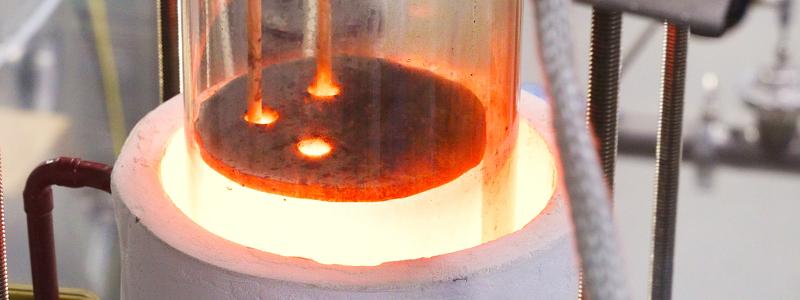
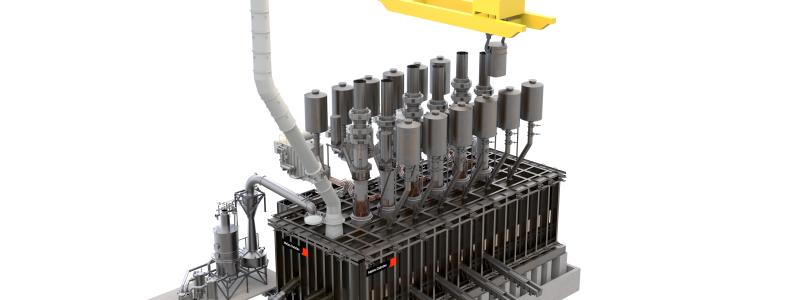
Electric arc furnaces mainly melt recycled steel scrap using electricity. The process requires far less coal than conventional blast furnace production and can result in lower emissions, particularly when powered by fossil-free electricity.
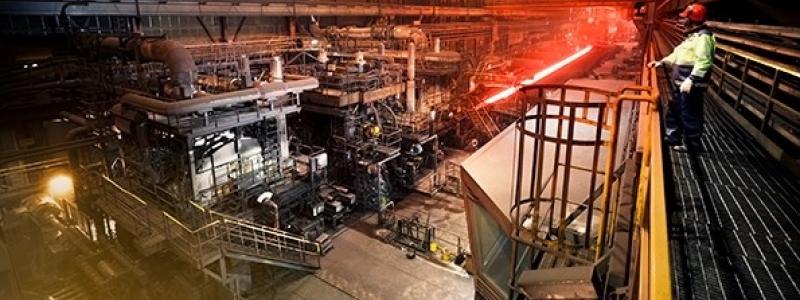
The integrated blast furnace and basic oxygen furnace route performed less strongly. Basic oxygen steel output fell 2 per cent to 1.87 million tonnes, while pig iron production declined 5.5 per cent to 1.65 million tonnes.
Over the first eight months of the year, however, basic oxygen steel output was 7.2 per cent higher than in the particularly weak comparable period of 2025. Electric furnace production rose 4.3 per cent. Output of hot-rolled steel products increased 4.2 per cent to 21 million tonnes.
Several German producers are building or planning electric arc furnaces and direct reduction plants to reduce their dependence on coal. Progress depends in part on competitive electricity prices, access to hydrogen and stable long-term policy conditions.
Four groups shape the market
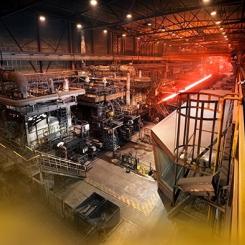
German crude steel production is concentrated among a small number of large industrial groups. The biggest is thyssenkrupp Steel Europe, whose main facilities are in Duisburg. The company reports annual crude steel production of around 11 million tonnes and describes itself as Germany’s largest flat steel producer. Its customers include the automotive, packaging, energy and appliance industries.
Salzgitter is Germany’s second-largest steelmaker. The group produced around 5.9 million tonnes of crude steel in 2025 and has an annual capacity of approximately 7 million tonnes. Its operations include Salzgitter Flachstahl, Peiner Träger and Hüttenwerke Krupp Mannesmann.
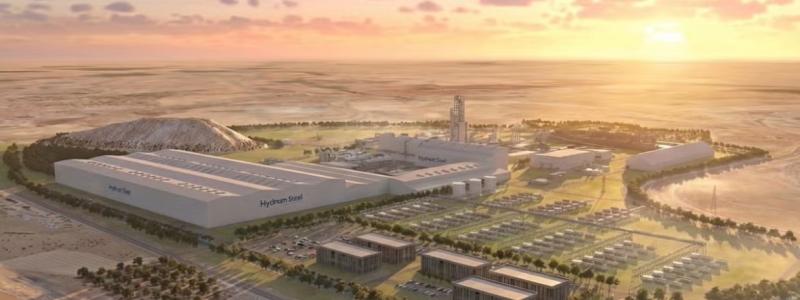
Salzgitter Flachstahl alone has a capacity of about 4.7 million tonnes a year. The group is also building the first phase of its SALCOS transformation programme, comprising a direct reduction plant, an electric arc furnace and a 100-megawatt electrolyser. The new production line is designed to make around 2 million tonnes of lower-emission crude steel annually.
Another major producer is Stahl-Holding-Saar, which coordinates Saarstahl and Dillinger. Together, the companies produce more than 5 million tonnes of crude steel a year and have strong positions in heavy plate, wire, bar and speciality steel.
ArcelorMittal also has substantial operations in Germany, with steelmaking and processing facilities at several locations. It employs more than 9,000 people in the country and produces flat products, long products and high-grade steel. The Georgsmarienhütte Group is another important supplier of specialty steel and components, although its crude steel volume is smaller than that of the four leading groups.
Weak demand remains a concern
Germany is the EU’s largest steel-producing country, but its industry has faced years of high energy and investment costs, weak industrial activity and competition from cheaper imports. According to Wirtschaftsvereinigung Stahl, German steel demand fell by around 30 per cent between 2017 and 2025.
Automotive manufacturing, mechanical engineering and construction are among the industry’s most important customers. When investment slows in those sectors, steelmakers quickly feel the effect in orders and capacity utilisation.
August’s figures therefore do not yet point to a broad market turnaround. Production is rising from the weak levels of 2025, but the month-on-month decline and lower blast furnace output show that the recovery remains fragile.
Sources: Wirtschaftsvereinigung Stahl, thyssenkrupp Steel Europe, Salzgitter AG, Stahl-Holding-Saar and ArcelorMittal Germany.