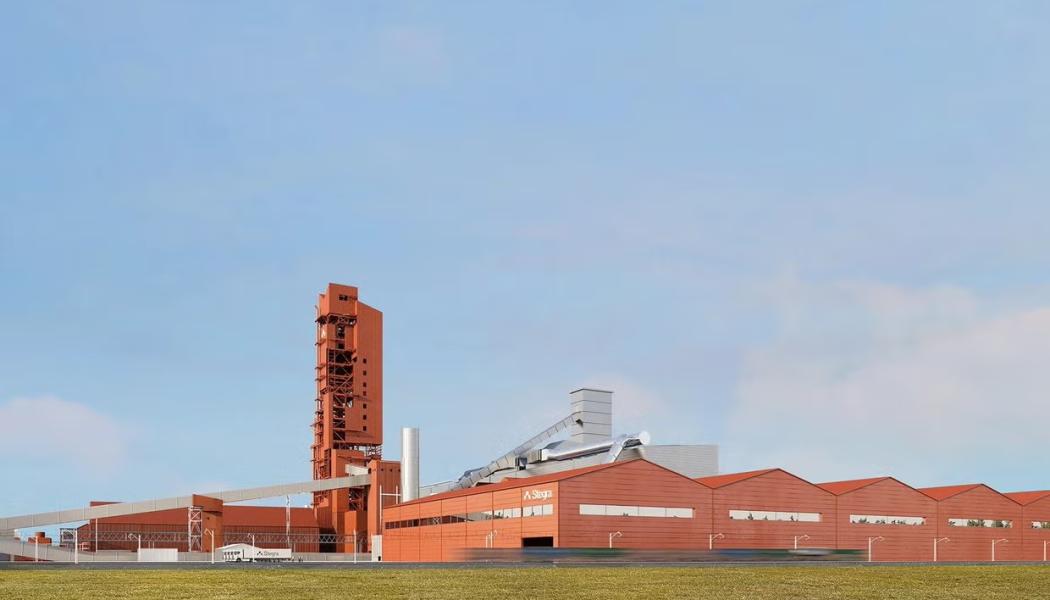
Google has agreed to purchase environmental certificates corresponding to up to 91,000 tonnes of hydrogen-based steel from Stegra’s plant in Boden, northern Sweden. The agreement will provide Stegra with additional revenue during its production ramp-up but does not involve Google buying or physically receiving the steel.
The agreement covers Environmental Attribute Certificates, or EACs. These represent the estimated climate benefits created when steel is produced using hydrogen and fossil-free electricity instead of conventional coal-based processes.
The information was announced by Stegra and has also been reported by Hydrogen Insight. The initial agreement covers one year, with both companies indicating that additional volumes could be added later.
Google may use the certificates as part of its climate strategy, including to account for lower emissions associated with data centre construction. The technology company does not need to purchase, transport or use the corresponding steel to acquire the environmental attributes covered by the agreement.
The financial value of the transaction has not been disclosed.
Climate attributes sold separately from steel
The model allows the physical material and its environmental attributes to be sold to different buyers. One customer may use the steel, while another purchases the documented emissions benefits attributed to its production.
Comparable systems have long been used in electricity markets through guarantees of origin. Similar mechanisms are also emerging for sustainable aviation fuel and other industrial products where lower-emission alternatives remain more expensive than conventional production.
For Stegra, the certificates create an additional source of revenue. The income could help cover the higher costs of establishing hydrogen-based iron and steel production before the Boden facility reaches full scale.
– Alongside physical procurement, certificates are another important mechanism. We see green steel certificates as a promising tool for tackling industrial emissions and scaling up the clean technologies of the future, said Adam Elman, Google’s director of sustainability for Europe, the Middle East and Africa.
The certificate model nevertheless requires clear rules for calculation and verification. To prevent double counting, the same emissions reduction must not be claimed by both the steel buyer and the certificate purchaser.
The agreement should therefore not be described as Google purchasing 91,000 tonnes of steel or automatically neutralising an equivalent volume of its own emissions. It gives Google the right to account for certain verified environmental attributes associated with a defined volume of production.
Hydrogen to replace coal in ironmaking
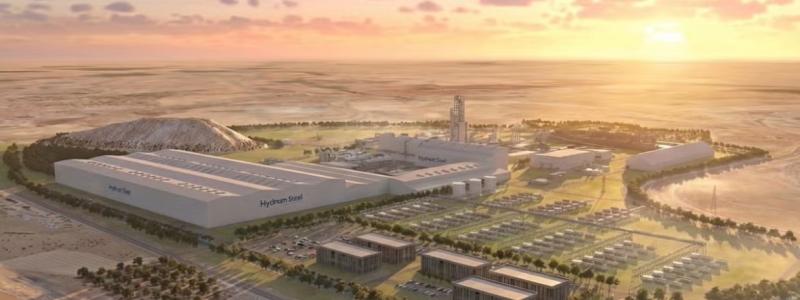
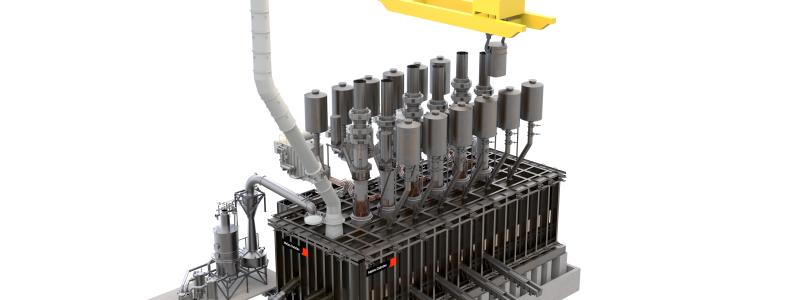
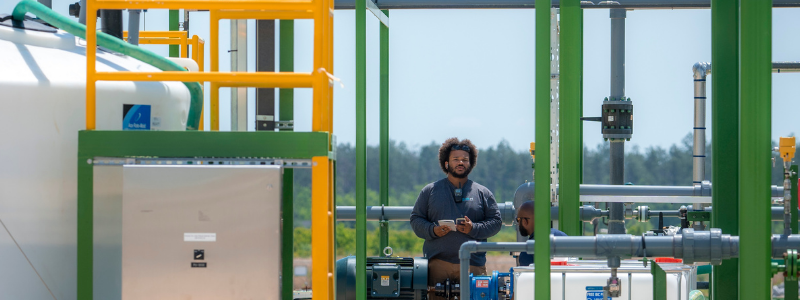
Stegra is building an integrated hydrogen, iron and steel production complex in Boden. Its electrolyser facility will have a planned capacity of 740 megawatts and use fossil-free electricity to split water into hydrogen and oxygen.
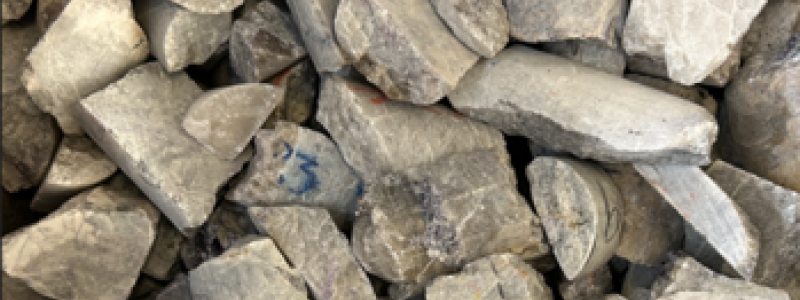
The hydrogen will then be used to directly reduce iron ore. This process replaces much of the coking coal traditionally used to remove oxygen from the ore, producing mainly water vapour instead of carbon dioxide.
The direct-reduced iron will be converted into steel in electric arc furnaces. Stegra says the process could cut carbon dioxide emissions by around 95 per cent compared with conventional blast furnace-based steelmaking. The actual climate impact will also depend on the electricity supply, raw materials, transport and operation of the facility.
According to the company, all electrolysers have now been installed at the Boden site. The installation represents an important construction milestone but does not mean that the entire production chain has entered commercial operation.
Stegra’s long-term target is to produce 5 million tonnes of steel annually by 2030, once the facility has been fully developed. The certificates purchased by Google therefore correspond to a limited share of the planned annual production.
Agreement supports Stegra ahead of production
The Boden project is one of Europe’s largest industrial investments in hydrogen-based steel production. It is also capital-intensive and dependent on large volumes of electricity, reliable technology and customers willing to pay for steel with a lower carbon footprint.
Stegra completed a EUR 1.4 billion financing round in June 2026 to support the continuation of construction. This followed a EUR 6.5 billion financing package secured in early 2024.
Selling environmental certificates could improve cash flow during the first years of operation without affecting physical supply agreements with steel customers.
– Google is one of the global companies capable of helping move markets towards lower-emission products. The partnership also supports our first years of operation, said Stegra CEO Henrik Henriksson.
For Google, the agreement can complement direct purchases of lower-emission materials. Data centres require substantial volumes of steel for buildings, technical installations and energy infrastructure. As Google expands its investments in AI and computing capacity, emissions associated with construction materials are becoming an increasingly important part of its climate strategy.
The transaction also illustrates how new financing mechanisms are emerging around industrial decarbonisation. If environmental certificates are to play a larger role, however, the market will need comparable accounting methods, independent verification and transparent rules determining who may claim the emissions benefits.
Sources: Stegra, Google and Hydrogen Insight.
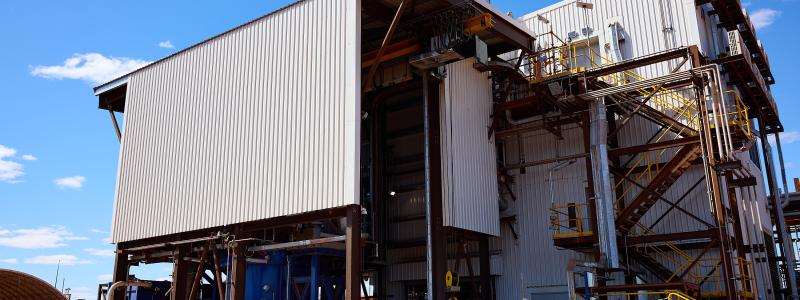
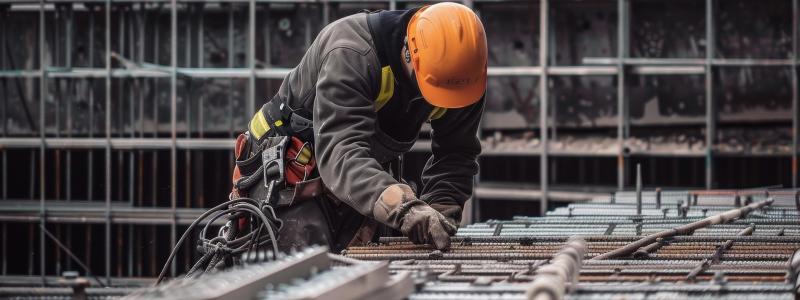
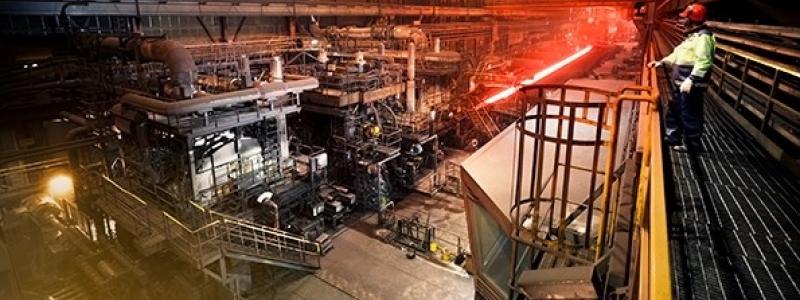
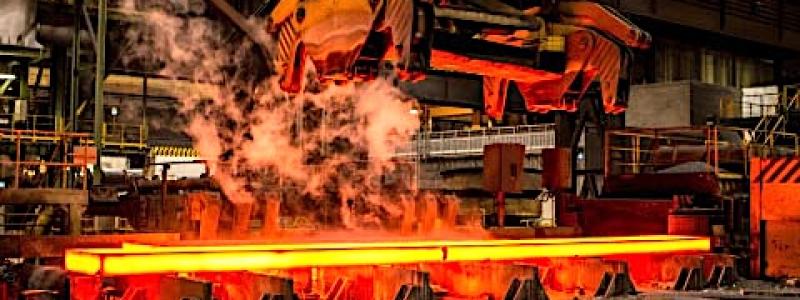
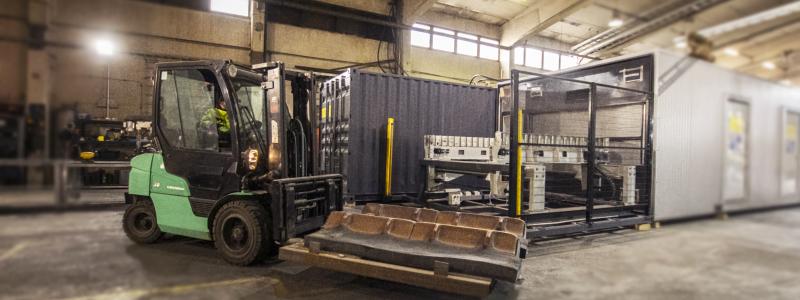
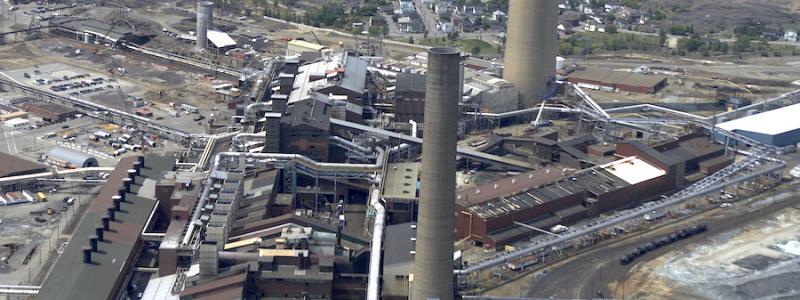
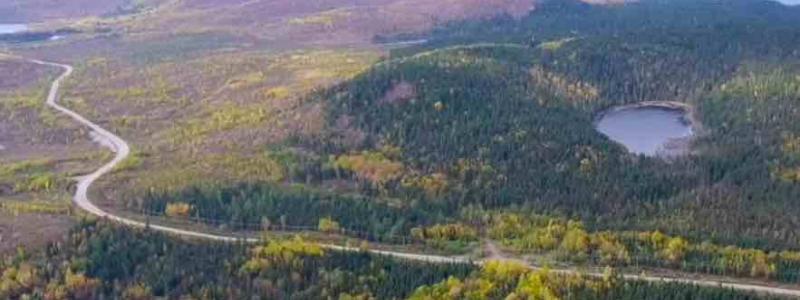
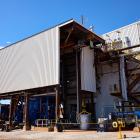
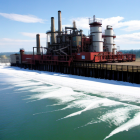
Image caption: Stegra’s hydrogen-based iron and steel production facility is under construction in Boden, northern Sweden. Google is purchasing environmental certificates corresponding to up to 91,000 tonnes of planned green steel, but not the physical material. Photo: Stegra.