

Wind, solar power, electricity grids, battery storage and electric vehicles accounted for 26 per cent of demand for six key minerals in 2024. The remaining 74 per cent was consumed by construction, conventional industry, electronics, transport, defence and other sectors, according to an Oakland Institute analysis.
The analysis covers copper, lithium, nickel, cobalt, graphite and rare earth elements used in permanent magnets. Its calculations are based on data from the International Energy Agency (IEA.
According to the Oakland Institute, the findings challenge the claim that a sharp expansion in mining is an unavoidable consequence of replacing fossil fuels with clean energy.
The figures, however, describe consumption in 2024 and do not establish which industries will drive future demand. The IEA expects demand from clean energy technologies to grow rapidly over the coming decades.
Steel and construction consume large volumes
Uses outside renewable power and electric vehicles accounted for 83 per cent of nickel demand, 79 per cent of demand for magnet rare earths and 71 per cent of copper demand, according to the Oakland Institute. The corresponding share for both cobalt and graphite was 68 per cent.
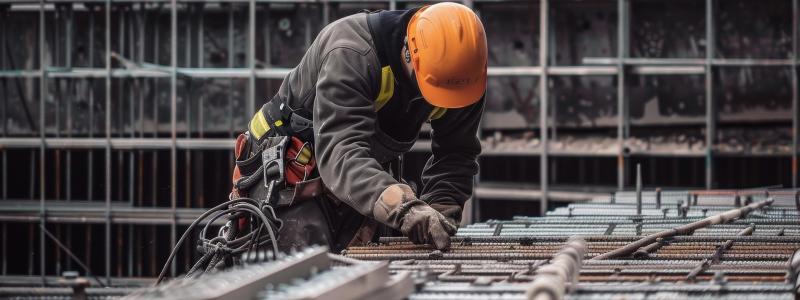
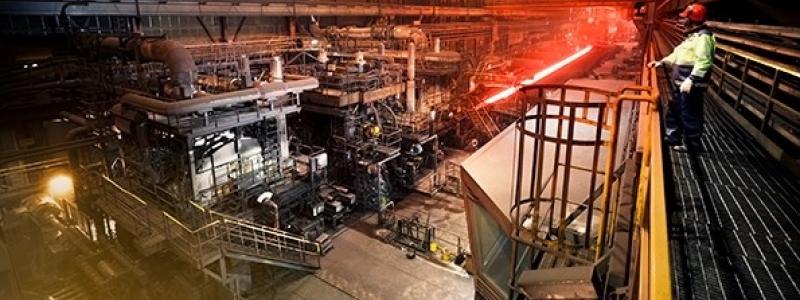
Construction consumed about 30 per cent of global copper, while stainless-steel production accounted for approximately two-thirds of worldwide nickel demand.
Lithium is more closely linked to batteries and electrified transport. The IEA’s Net Zero by 2050 roadmap assumes that the global number of battery-electric cars, plug-in hybrids and fuel-cell vehicles will rise from 11 million in 2020 to almost 2 billion in 2050.
Using IEA data, the Oakland Institute estimates that these vehicles would consume a combined 15.7 million tonnes of the six examined mineral groups in 2050. That would represent 23 per cent of projected total demand of 68.2 million tonnes.
Smaller batteries could reduce demand
Vehicle and battery design will have a major influence on the need for new mines. A US study involving researchers from the University of California, Davis, examined four pathways towards zero-emission personal transport.
A combination of lower private vehicle ownership, smaller batteries and extensive recycling could reduce annual US lithium demand in 2050 by as much as 92 per cent compared with the most lithium-intensive scenario.
Smaller electric vehicle batteries alone could cut lithium demand for US cars and light commercial vehicles by up to 42 per cent, even if current levels of car dependence continue.
The IEA estimates that appropriately sized batteries, alternative battery chemistries and greater recycling could together reduce global lithium demand by 25 per cent as early as 2030 under its net-zero scenario.
Recycled materials could reduce primary copper and cobalt requirements by 30 per cent in 2040, according to the IEA. The estimated reduction for lithium and nickel is 15 per cent. Without increased recycling and reuse, required investment in mining would be one-third higher.
Defence and AI shape US mineral policy
The US drive to secure critical minerals continues despite the administration’s reduced emphasis on clean energy. At a ministerial meeting in February 2026, US officials instead highlighted missile systems, artificial intelligence, advanced manufacturing, economic security and competition with China.
In January, the US International Development Finance Corporation, DFC, completed a USD 600 million investment in a consortium with USD 1.8 billion in capital for financing critical mineral projects.
DFC also reported that the Democratic Republic of Congo’s state-owned mining company had begun delivering about 100,000 tonnes of copper committed to the United States.
Expanding mineral extraction carries social and political risks. A study published in Nature Sustainability mapped 5,097 existing and planned projects containing minerals associated with the energy transition. It found that 54 per cent were located on or within ten kilometres of Indigenous peoples’ land. Another 33 per cent were on or close to land used by small-scale farmers.
The Oakland Institute concludes that demand for new mines cannot be attributed solely to the energy transition. Weapons systems, data centres, construction, electronics and conventional industries are also driving consumption. Smaller batteries, more efficient transport systems and higher recycling rates could simultaneously limit the need for new extraction.
Sources: Oakland Institute, IEA, University of California Davis, Nature Sustainability and Oilprice.com.