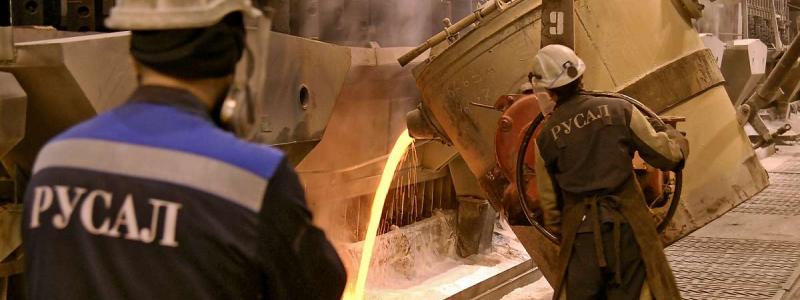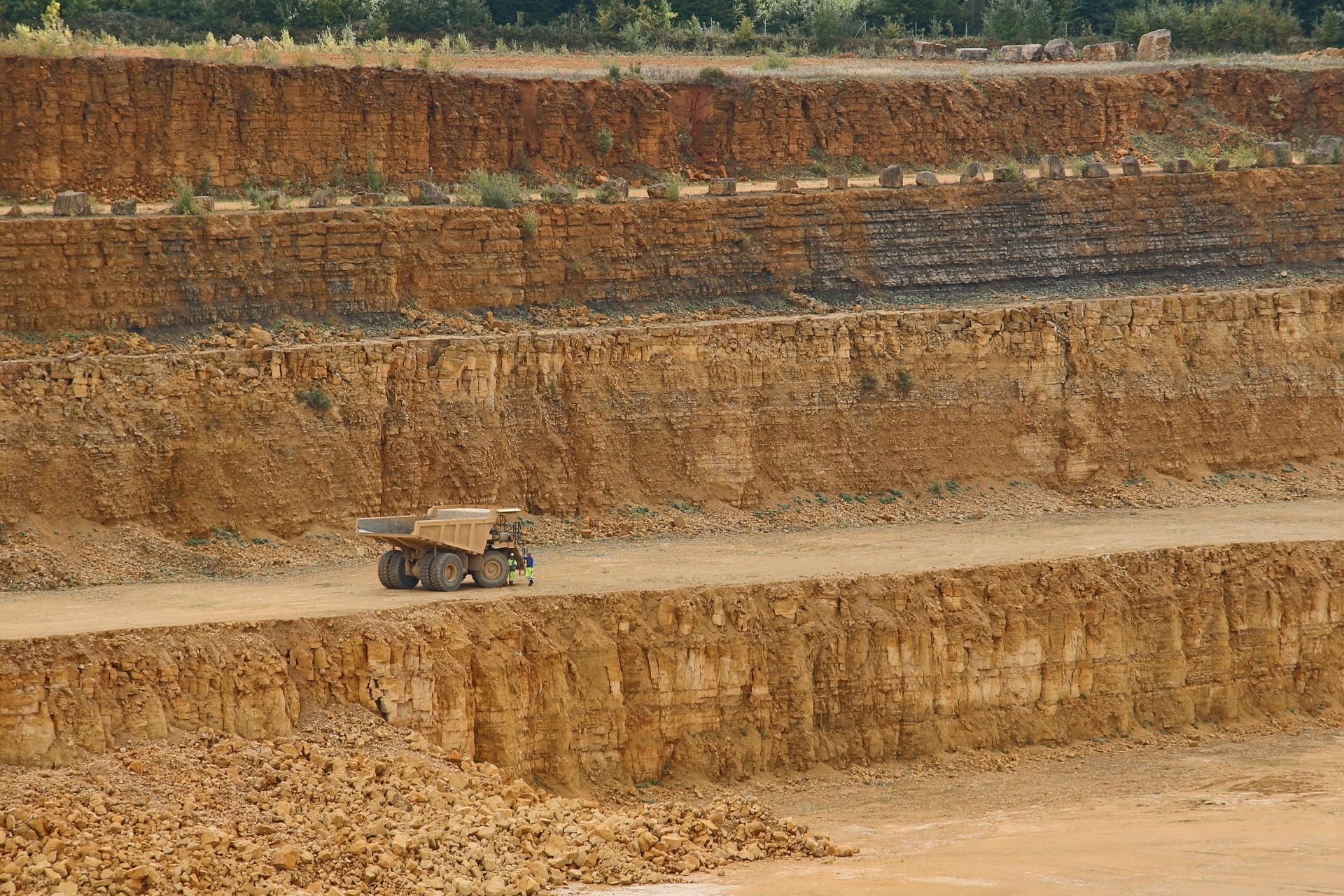

Only 26 per cent of combined demand for six important mineral groups came from renewable energy, power grids, energy storage and electric vehicles in 2024. The remaining 74 per cent was consumed by construction, conventional industry, electronics, defence and traditional transport, according to an analysis by the Oakland Institute.
The analysis uses data from the International Energy Agency (IEA) and covers copper, lithium, nickel, cobalt, graphite and magnetic rare earth elements. The findings were also reported by energy news site Oilprice.com.
The Oakland Institute challenges the idea that a very large expansion of mining is exclusively an unavoidable consequence of replacing fossil fuels.
The figures, however, describe demand during a single year. They do not establish which sectors will drive future growth. The IEA expects energy-transition technologies to account for a large share of the increase in mineral consumption through 2030.
Construction and steel production dominate
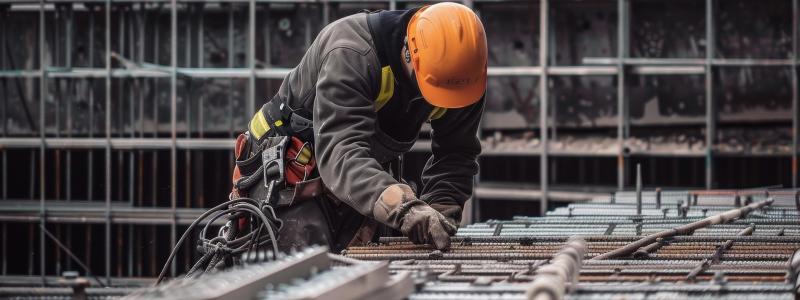
Demand patterns vary considerably between individual materials. Activities outside renewable energy and electric vehicles accounted for 83 per cent of nickel demand and 79 per cent of demand for magnetic rare earth elements in 2024, according to the Oakland Institute.
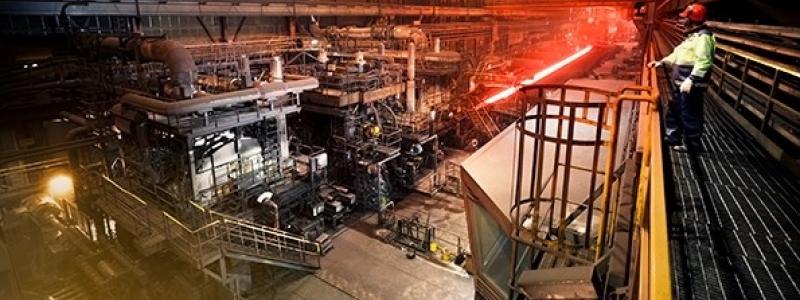
The corresponding share was 71 per cent for copper and 68 per cent for both cobalt and graphite. The construction sector alone consumed around 30 per cent of the world’s copper, while stainless steel production accounted for approximately two-thirds of global nickel demand.
Lithium differs from several of the other minerals because batteries are already its dominant application. Future consumption will therefore be strongly influenced by the number of electric vehicles manufactured and the size of their batteries.
In the IEA’s global net-zero roadmap, the number of battery-electric, plug-in hybrid and fuel-cell cars and vans rises from 11 million in 2020 to almost 2 billion by 2050.
Using the IEA’s projections, the Oakland Institute estimates that electric vehicles would consume 15.7 million metric tonnes of the six mineral groups by that date. This would correspond to around 23 percent of projected combined demand of 68.2 million metric tonnes.
The calculation also shows that mineral requirements are not determined solely by the speed at which fossil-fuelled vehicles are replaced. Vehicle size, battery capacity, product lifespan and recycling rates will also have a significant influence.
Smaller batteries could reduce lithium demand
Researchers, including a team from the University of California, Davis, have examined four possible pathways towards zero-emission personal transport in the United States. Their modelling varied vehicle ownership, battery size, warranty periods and recycling rates.
A combination of lower private vehicle ownership, smaller batteries and extensive recycling reduced annual lithium demand in 2050 by as much as 92 per cent compared with the most lithium-intensive scenario.
Smaller batteries alone could reduce lithium demand from US light-duty vehicles by up to 42 per cent, even if current levels of car dependence continued.
The IEA estimates that appropriately sized batteries, alternative battery chemistries and expanded recycling could together reduce global lithium demand by 25 per cent in 2030 under a net-zero pathway. That reduction would be roughly equivalent to current global lithium production.
Over the longer term, recycled materials could replace a substantial share of primary production. Under the IEA’s net-zero scenario, recycling could reduce demand for newly mined copper and cobalt by 30 per cent in 2040. The estimated reduction for lithium and nickel is 15 per cent.
Without greater recycling and reuse, the mining investment required to meet projected demand would need to be approximately one-third higher, according to the IEA.
This does not mean that all new mines can be avoided. The IEA expects mineral demand from clean-energy technologies to almost triple between 2023 and 2030. UN Trade and Development (UNCTAD) has estimated that around 250 new copper, lithium, nickel and cobalt mines may be required to meet global climate targets.
Defence and AI reshape mineral policy
Critical minerals have also become an industrial and national-security issue. The United States is seeking to reduce its dependence on China and secure raw materials for missile defence, AI, advanced manufacturing and other strategic technologies.
At a US ministerial meeting on critical minerals in February 2026, the emphasis was on defence, economic security and manufacturing, according to Oilprice.com. Renewable energy and decarbonisation were not mentioned in the opening remarks.
The United States has discussed federal loans, direct investments, strategic stockpiles, price floors and tariffs. In January, the US International Development Finance Corporation completed a 600-million-dollar investment in a consortium established to finance critical-mineral projects.
Expanding mining also creates conflicts over land and local rights. A study published in Nature Sustainability mapped 5,097 existing and proposed projects involving minerals used in the energy transition.
Of these projects, 54 per cent were located on or within 10 kilometres of Indigenous peoples’ land. A further 33 per cent were situated on or close to land used by local farming communities.
The Oakland Institute’s main conclusion is that future demand for new mines is not predetermined. It will be influenced by policy choices involving transport, battery sizes, recycling and resource consumption across the wider economy.
The figure showing that 74 per cent of demand came from other sectors applies only to 2024. It cannot demonstrate that the energy transition will remain a minority driver in the future. It does, however, show that the current minerals boom has considerably more causes than wind power, solar energy and electric vehicles alone.
Sources: Oakland Institute, International Energy Agency, University of California, Davis, Nature Sustainability, UNCTAD and Oilprice.com.