
European carmakers remain reluctant to purchase steel produced using green hydrogen. Although the additional cost may be small compared with the final price of a vehicle, it can have a significant impact on manufacturers’ already narrow margins, according to a new study by the Oxford Institute for Energy Studies.
The report, “From Targets to Tonnes: Can Europe’s Carmakers Unlock Green Steel?”, is based on interviews with anonymous representatives of the automotive industry, steel producers and analysts. Its findings have also been reported by Hydrogen Insight.
A central conclusion is that previous analyses have often compared the cost premium for green steel with the total sales price of a car. From that perspective, the increase can appear insignificant. Carmakers, however, assess individual purchases against much smaller margins within their production operations.
None of the vehicle manufacturers interviewed expressed confidence that customers would voluntarily pay more for a car made with green steel.
– Our analysis shows that customers are not prepared to pay more, a representative of an unnamed luxury car manufacturer told the researchers.
Steel remains invisible to the buyer
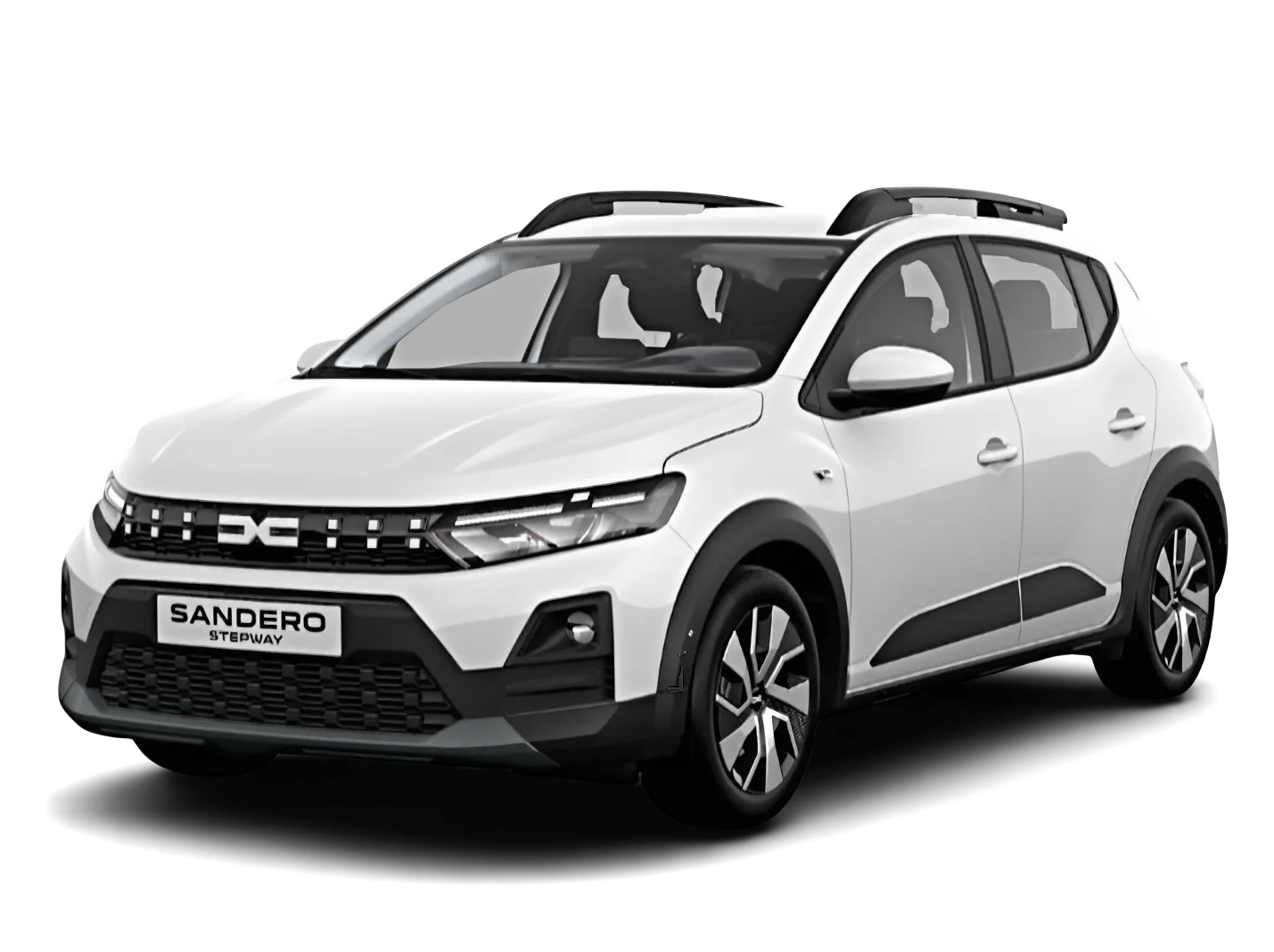
One difficulty is that the climate performance of steel cannot be seen in the finished vehicle. A customer can see and touch seat fabric made from recycled plastic but cannot determine whether the steel in the body was produced using hydrogen or coal.
This makes it difficult for manufacturers to charge a premium or use cleaner steel as a clear selling point. At the same time, Europe’s automotive industry is facing intense competition from lower-cost Chinese manufacturers.
If customers do not accept a higher price, the manufacturer or another participant in the supply chain must absorb the additional cost. One carmaker interviewed for the study said this would directly reduce earnings before interest and taxes, or EBIT.
Another industry representative explained that procurement margins for individual vehicle components may sometimes amount to around 1 euro. A cost increase that appears small in relation to the final price of a car can therefore have a considerable effect on profitability at each stage of production.
The researchers argue that willingness to pay for green steel should be assessed against carmakers’ margin structures rather than the vehicle price alone. Policy measures intended to create demand should also take the industry’s sensitivity to higher costs into account.
Some experts question whether manufacturers are exaggerating the problem to strengthen their negotiating position with steelmakers and regulators.
The study nevertheless notes that similar objections were raised by companies with different market positions, procurement systems and climate ambitions. Negotiating tactics are therefore unlikely to provide the full explanation.
Lack of EU standard creates uncertainty
Another obstacle is the absence of a common EU definition and label for green steel. Carmakers consequently find it difficult to market vehicles made with such steel in a comparable and legally clear manner.
There is also uncertainty over which production methods should qualify. Hydrogen-based direct reduction can substantially reduce the use of coal, but emissions can also be lowered through increased scrap recycling or direct reduction using natural gas.
Without common carbon-intensity thresholds, it is difficult to determine which products are entitled to carry a green steel designation. The uncertainty also complicates long-term purchasing agreements between vehicle manufacturers and new steel projects.
According to the study, the EU’s Industrial Accelerator Act did not include a formal definition or emissions threshold for green steel. Standardisation was instead deferred to work under the Ecodesign for Sustainable Products Regulation. The relevant rules are expected in late 2026 or during 2027.
The timing may create problems. EU industrial policy measures and the bloc’s automotive package are already encouraging new procurement, while companies still lack a common system for assessing the climate impact of steel.
The researchers warn that Europe could miss an opportunity to secure long-term supply agreements and establish an early market for low-emission steel.
Key issue for Swedish steel projects
The automotive industry is considered a particularly important customer for low-emission steel because carmakers consume large volumes and have ambitious climate targets for their supply chains.
The issue is also highly relevant to Sweden. Stegra is building a new steel plant in Boden where hydrogen is intended to replace coal in parts of the production process. Such investments depend on industrial customers signing long-term agreements and paying for the lower climate impact.
If European carmakers delay their purchasing decisions, producers of hydrogen-based steel may find it more difficult to secure sufficient demand. The manufacturers could simultaneously lose access to future supplies while production capacity remains limited.
The study indicates that the decisive question is not simply how many euros green steel adds to the price of a vehicle. It is equally important to determine who in the supply chain will bear the cost and how it will affect each company’s margins.
Clear definitions, verifiable climate labels and policy measures that reflect manufacturers’ profitability could therefore prove essential in turning the automotive industry’s climate targets into firm orders.
Sources: Oxford Institute for Energy Studies and Hydrogen Insight.