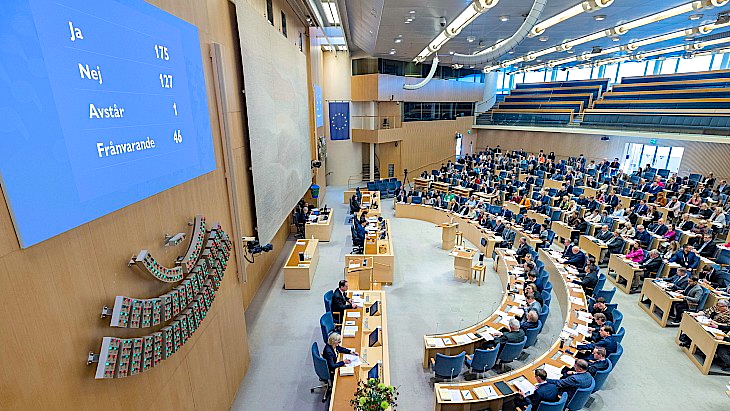

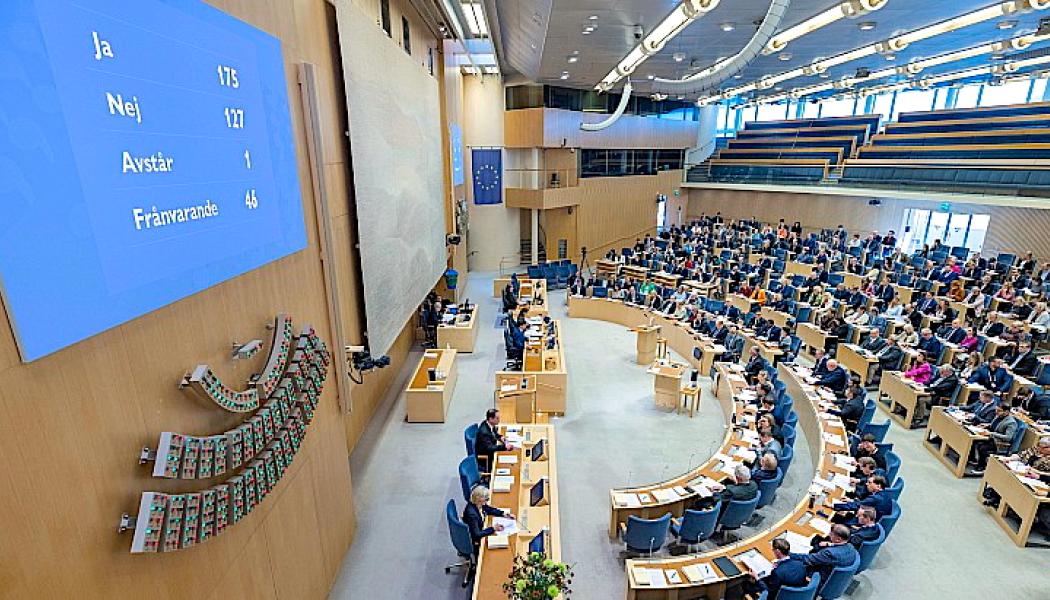
The Swedish Parliament has approved a series of legislative changes aimed at simplifying uranium mining and expanding the number of coastal locations available for future nuclear power projects.
The decision marks another step in Sweden’s changing energy policy following the repeal of the uranium mining ban earlier this year. The new rules will enter into force on 15 July.
One of the most significant changes is that uranium mines will no longer be classified as nuclear facilities under Sweden’s Nuclear Activities Act. At the same time, amendments to legislation governing residual products from nuclear activities mean that waste from uranium extraction and processing will no longer be classified as nuclear waste.
As a result, uranium mining will, in the future, largely be regulated in the same manner as other mining activities.
More predictable permitting process
With uranium mines no longer classified as nuclear facilities, the permitting framework becomes more aligned with ordinary mining projects and no longer requires the same explicit municipal approval procedures as before.
Aura Energy, owner of the Häggån polymetallic deposit in Berg Municipality in Jämtland, welcomed the decision.
– The positive momentum for pro-nuclear legislation continues in Sweden. Following the removal of the uranium mining ban earlier this year, uranium mines are no longer classified as nuclear facilities. This brings uranium into line with other minerals and creates a more predictable and uniform permitting framework, Executive Chairman Phil Mitchell said in a statement.
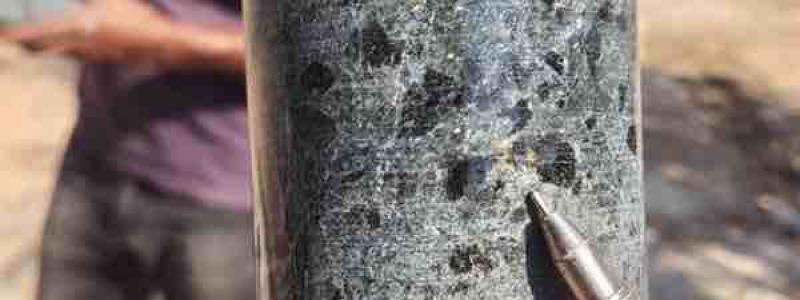
The Häggån deposit is estimated to contain around 307,700 tonnes of uranium, along with significant quantities of potash and vanadium. Earlier this year, the Geological Survey of Sweden proposed that the deposit be designated of national interest due to its valuable materials.
Canadian company District Metals, which controls the Viken deposit in Jämtland, also described the parliamentary decision as significant.
– This change fits well with Sweden’s continued expansion of nuclear power, said CEO Garrett Ainsworth.
He argued that a more predictable regulatory framework enhances the strategic importance of the Viken deposit and other Swedish alum shale properties as Sweden and the European Union seek secure supplies of uranium and other critical raw materials.
More coastal sites are available
Parliament has also approved government proposals to amend Sweden’s Environmental Code, allowing nuclear power facilities to be considered in a wider range of coastal locations.
Previous restrictions affecting coastal and archipelago areas in Bohuslän, Småland, Östergötland, Ångermanland, Öland and Gotland will be removed. Limitations that previously confined nuclear facilities to existing industrial areas in certain coastal regions will also be lifted.
The government says the objective is to increase the number of possible sites for future nuclear power projects while maintaining protections for natural and cultural values.
The decision does not mean new reactors will automatically be built in these areas, but it removes legal barriers that previously limited the available options.
Sweden currently operates six nuclear reactors located at Forsmark, Ringhals and Oskarshamn. The government’s long-term ambition is to create conditions for at least two large-scale reactors by 2035 and a broader expansion of nuclear generation by 2045.
Source: World Nuclear News.
Fact check:
The Swedish Parliament recently approved amendments to the Nuclear Activities Act and the Environmental Code. Uranium mining will no longer be treated as a nuclear activity, bringing the permitting framework closer to that used for other mining projects. At the same time, several geographical restrictions on future nuclear power sites have been removed. The legislative changes will take effect on 15 July.