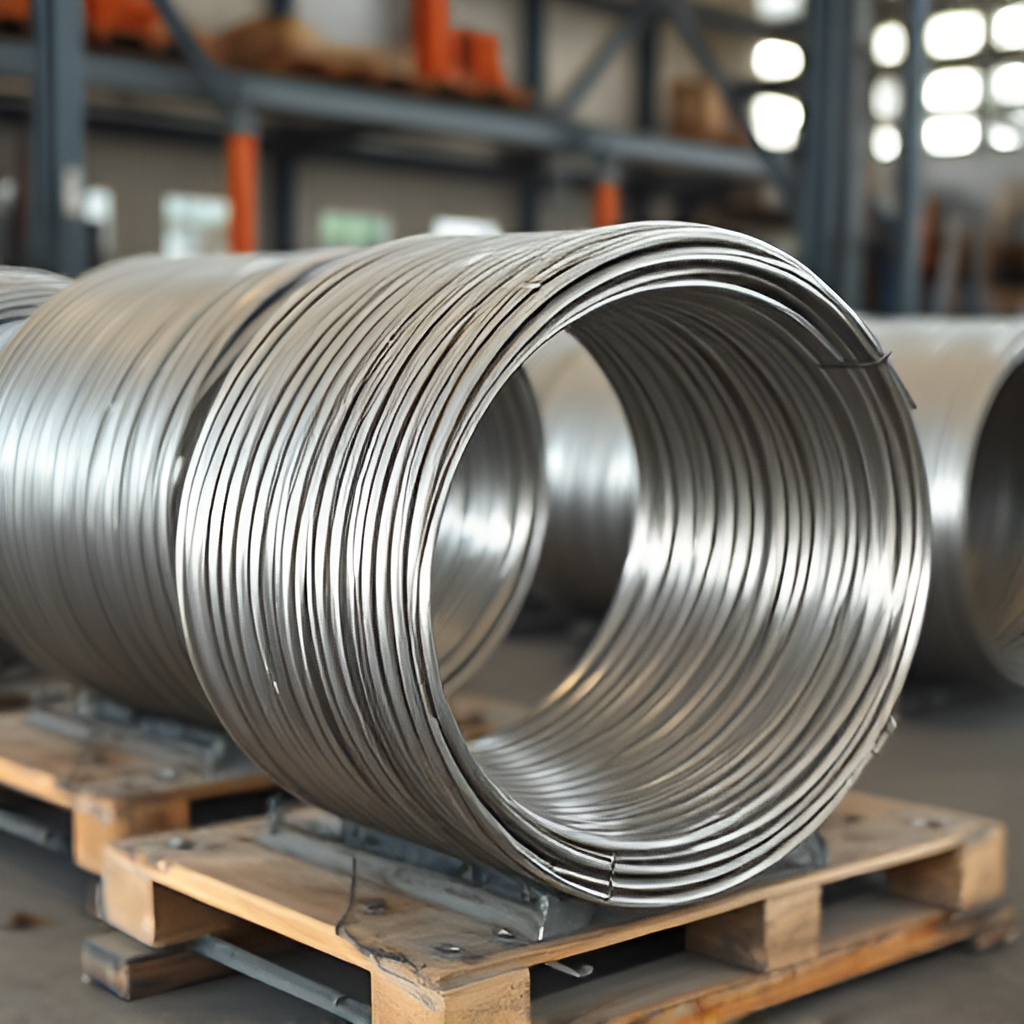



The global steel wire market is growing steadily, expected to be valued at around US$ 122.3 billion in 2026 and projected to reach US$ 177.9 billion by 2033, with a CAGR of 5.5% in the coming years.
This expansion comes from rising demand across construction, automotive, and energy sectors, along with advancements in steel processing technologies. Steel wires play a critical role in reinforcing concrete structures, producing springs and cables, and supporting heavy-duty industrial equipment.
Market dynamics show increasing investments in advanced cold-drawing and galvanizing technologies that enhance product durability and performance for demanding applications.
Surge in Infrastructure and Construction Activities
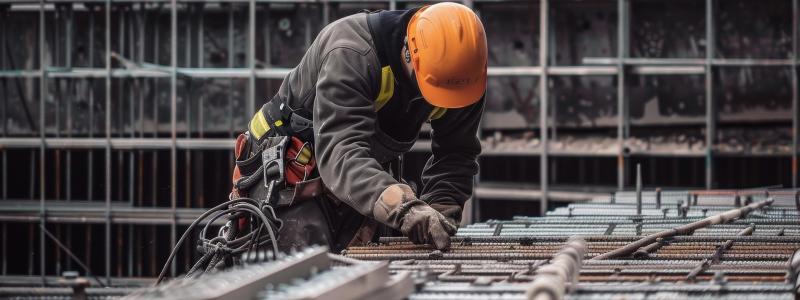
The worldwide surge in infrastructure development significantly boosts demand for steel wire products. Governments and private developers are investing heavily in transportation networks, residential buildings, and industrial facilities to accommodate urbanization and economic expansion. Steel wire is widely used in reinforcement applications such as prestressed concrete, fencing, and suspension cables because of its high tensile strength and reliability.
Large-scale infrastructure programs across emerging economies highlight this trend. Countries such as China and India continue to expand highways, rail systems, and urban infrastructure, creating strong demand for reinforcement materials like steel wire. Construction remains one of the largest consumers of steel wire globally, especially in bridges, tunnels, and high-rise buildings where durability and structural integrity are critical. Industry data shows that global infrastructure investment has accelerated over the past few years, driving consistent growth in demand for steel wire products.
Manufacturers are responding by scaling up production capacity and developing corrosion-resistant and galvanized variants that offer longer service life in challenging environments. Beyond traditional construction, renewable energy projects such as wind farms and power transmission networks rely on steel wire for cables, support structures, and reinforcement. This expanding use across multiple infrastructure segments ensures long-term growth for the steel wire market.
Key Highlights
The global steel wire market is projected to reach US$ 177.9 billion by 2033, expanding steadily as demand rises across construction, automotive, and industrial sectors.
Asia Pacific leads the global market, accounting for around 34.5% share, supported by strong infrastructure development and large-scale manufacturing activity.
Carbon steel wire dominates the product segment with about 39.4% market share, widely used in construction reinforcement, fencing, and industrial engineering applications.
Stainless steel wire represents the fastest-growing product category, driven by increasing demand in automotive systems, medical devices, chemical processing, and marine infrastructure.
Rapid infrastructure development projects across China and India are generating substantial demand for reinforcement wire, cables, and structural steel products.
Industry players are increasingly focusing on automation, digital quality monitoring, and high-performance wire products to meet evolving industrial and infrastructure requirements.
Key Players and Business Strategies
Leading players include ArcelorMittal, Bekaert, Nippon Steel Corporation, Tata Steel Limited, POSCO Holdings, Usha Martin Limited, Bridon-Bekaert Ropes Group, and Heico Wire Group, among others.
- ArcelorMittal focuses on expanding high-strength steel wire products used in automotive and infrastructure applications.
- Bekaert emphasizes advanced wire-processing technologies and specialty wire solutions for industrial and construction uses.
- Nippon Steel Corporation invests heavily in high-performance steel materials for automotive and energy sectors.
- Tata Steel Limited strengthens its wire manufacturing operations through capacity expansions and regional supply networks.
- POSCO Holdings focuses on advanced steel alloys and sustainable steel production technologies.
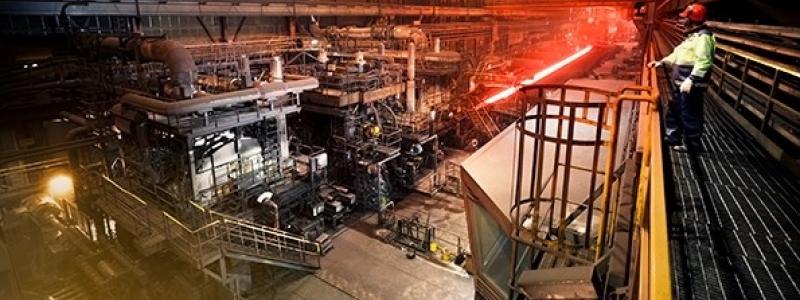
Industry strategies increasingly emphasize technological innovation, production efficiency, and expansion into emerging infrastructure markets. Companies are also investing in environmentally sustainable steel production processes to align with global carbon-reduction initiatives.