The Hybrit steel consortium has been granted an extended temporary permit for its pilot hydrogen storage facility in Luleå, northern Sweden. The decision allows the site to continue operating until 2031 and supports trials of fossil-free iron and steel production in the region.
Hybrit – a collaboration between SSAB, LKAB and Vattenfall – is testing the use of hydrogen instead of coal in ironmaking. The underground storage facility, commissioned in 2022, enables hydrogen to be produced when electricity prices are low and stored for later use in production.
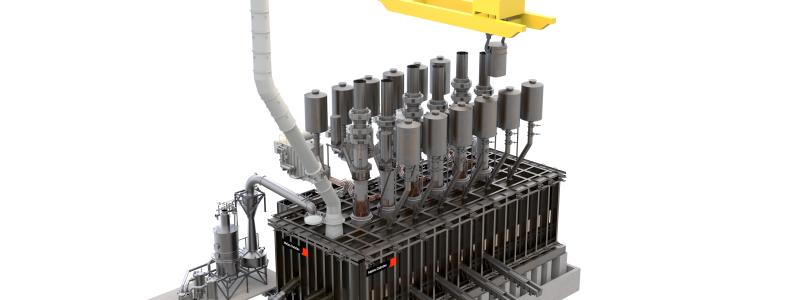
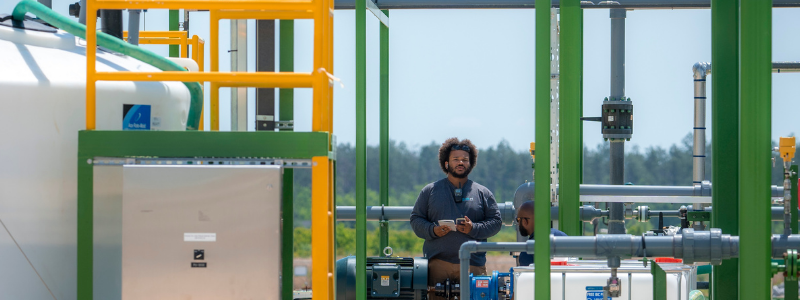
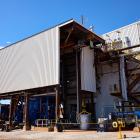
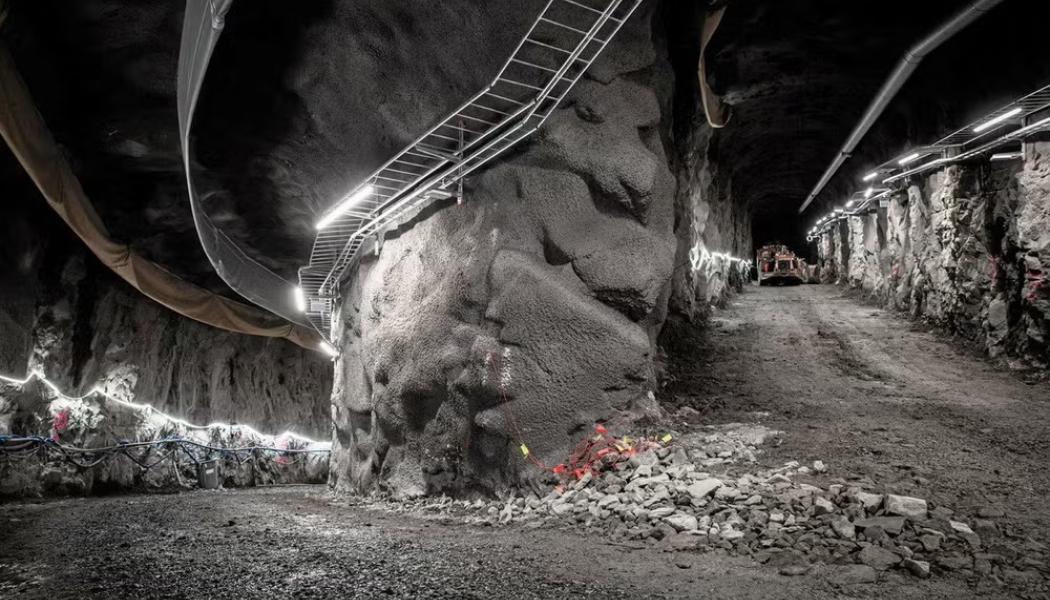
The installation consists of a rock cavern with a storage volume of roughly 100 cubic metres. It can store hydrogen equivalent to about 100 megawatt hours of electricity, compressed to pressures of up to 250 bar. Hydrogen is generated using electrolysers rated at 4.5 megawatts and supplied to a nearby pilot plant for direct-reduced iron.
Aims to reduce production costs
According to Hybrit, hydrogen storage can cut variable production costs by between 25 per cent and 40 per cent. By shifting hydrogen production to periods of lower electricity prices, operators can reduce overall costs in a power system with fluctuating supply.
– Hybrit’s tests at the pilot facility in Luleå prove that the technology is ready for industrialisation and can help reduce production costs for hydrogen, says Gunilla Hyllander, chief executive of Hybrit Development, in a statement.
– We want to continue building knowledge and experience to further develop large-scale commercial storage facilities. The next step is to continue developing integration with both the direct reduction process and the energy system through additional tests.
The pilot storage site has been operated intermittently since 2022, in periods lasting three to six weeks. By the end of last year, it had accumulated around 5,700 operating hours.
Hydrogen in steel production
The steel industry accounts for about 7–8 per cent of global carbon emissions. Traditionally, iron is produced by reducing iron ore with coal in blast furnaces, a process that generates large emissions. With hydrogen, oxygen can instead be removed from the ore to form water vapour, reducing emissions significantly.
The Hybrit pilot plant for direct-reduced iron in Luleå has produced more than 5,000 tonnes of hydrogen-based steel, according to Vattenfall. Steel from the project has been purchased by companies including Volvo and mining equipment manufacturer Epiroc. Amazon Web Services has also agreed to use hydrogen-based steel from the facility in a data centre under construction in Sweden.
At the same time, hydrogen production costs remain high in Europe. Prices above 5 euros per kilogram mean hydrogen-based steel risks being significantly more expensive than conventional steel. Several steelmakers therefore plan to use natural gas in the early stages of direct-reduction projects to reduce emissions without sharply increasing costs.
Continued testing ahead
The extended permit allows Hybrit to continue testing hydrogen storage technology in Luleå for several more years. The aim is to gather experience and data for possible large-scale commercial facilities in the future.
The project is one of several attempts to change steel production methods in Europe. However, technical, economic and energy-related challenges remain before hydrogen-based steelmaking can be widely deployed.
Source: Hybrit, project documentation and industry information.
Fact check:
Hydrogen-based direct reduction removes oxygen from iron ore without using coal. The method requires large amounts of electricity and hydrogen, making energy costs and infrastructure crucial for commercial viability.