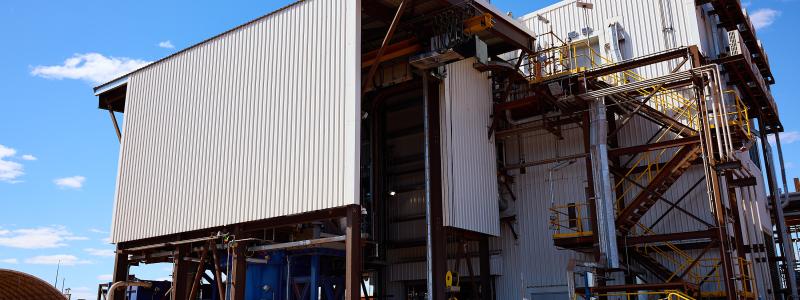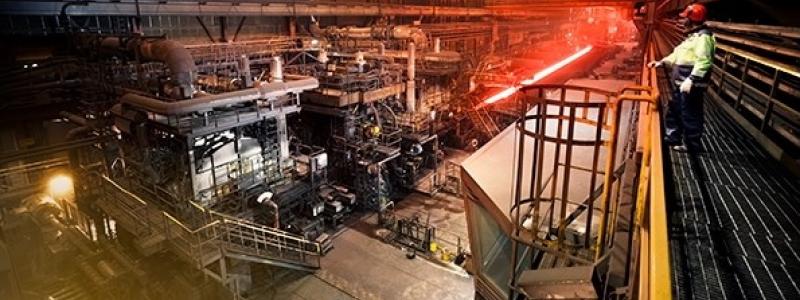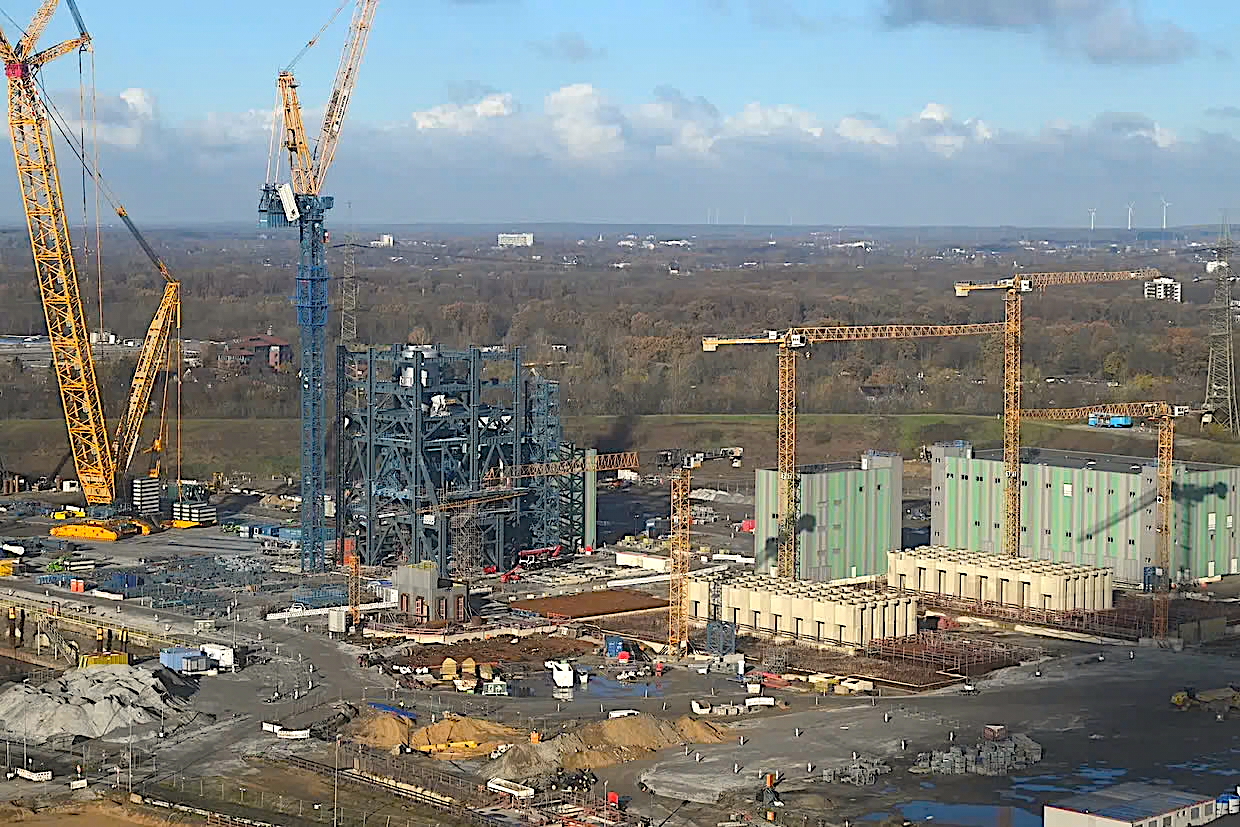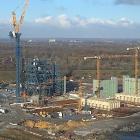

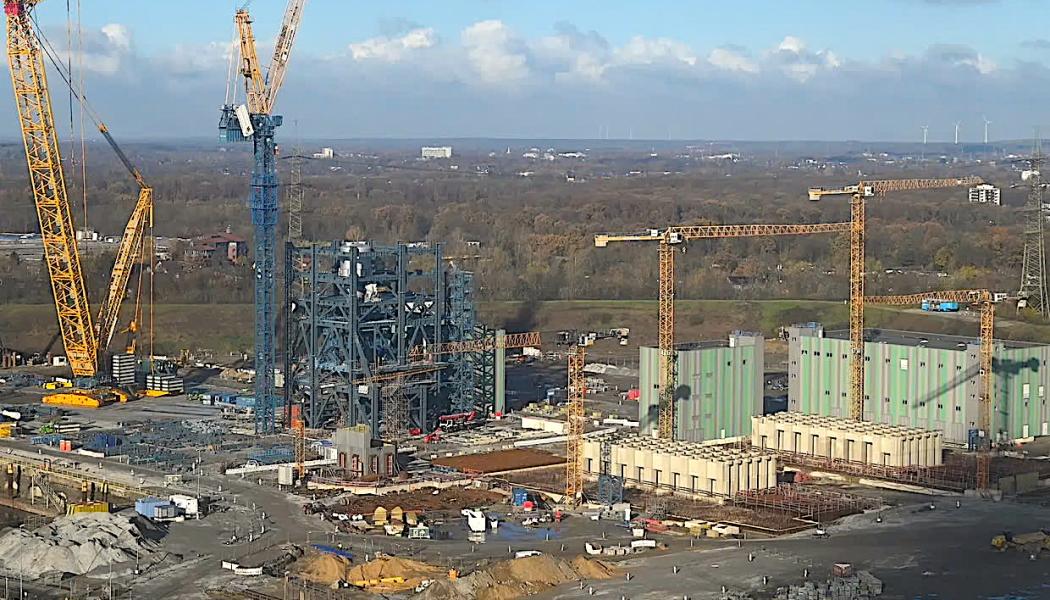
Thyssenkrupp has relaunched its hydrogen procurement process for the group’s new direct reduction plant in Duisburg. The planned initial volume has been cut sharply, while the first deliveries have been postponed by three years.
Under the new tender, the German steelmaker is seeking suppliers capable of delivering between 20,000 and 40,000 tonnes of hydrogen annually from 2031.
This is substantially less than the volumes requested in the original tender launched in 2024. At that time, Thyssenkrupp planned to purchase 104,000 tonnes in 2028. Demand was then expected to increase to 143,000 tonnes annually between 2029 and 2035, followed by 151,000 tonnes in both 2036 and 2037.
The lower end of the new range represents only about one-fifth of the volume originally planned for the first delivery year.
First tender halted over high prices
Thyssenkrupp suspended the previous procurement process in 2025 after the submitted prices were deemed too high. The company was consequently unable to approve the long-term supply contracts required under the original schedule.
The revised tender follows changes to the conditions attached to the project’s public funding. Thyssenkrupp will now be permitted to operate the plant with natural gas for a longer transitional period before increasing the proportion of hydrogen.
According to Hydrogen Insight, it remains unclear what requirements will apply to the production of the hydrogen. It is therefore uncertain whether the tender will be restricted to renewable hydrogen or whether other production methods could also qualify.
Two billion euros in public funding
The new direct reduction plant in Duisburg is expected to cost approximately three billion euros. The project has been awarded about two billion euros in public funding from the German federal government and the state of North Rhine-Westphalia.
The original funding conditions required the plant to use an increasing blend of hydrogen and fossil natural gas, reaching 100 per cent hydrogen by 2037.
These conditions have now been renegotiated. Thyssenkrupp can therefore use natural gas for longer without putting the entire subsidy at risk.
The change reduces the project’s immediate hydrogen requirement and gives the company more time to wait for lower prices, additional production capacity and expanded transport and storage infrastructure.
High costs slow green steel projects
Thyssenkrupp’s revised plan illustrates the difficulties facing Europe’s large hydrogen-based steel projects. Renewable hydrogen remains in limited supply, while its production cost is still considerably higher than that of natural gas-based alternatives.
For hydrogen producers, the reduced volumes mean that one of Europe’s largest prospective industrial customers is lowering demand during a critical period for market development. This could make it more difficult to finance new electrolysis projects.
For Thyssenkrupp, the revision reduces the risk of having to purchase large quantities of expensive hydrogen before the market has matured. However, the prolonged use of natural gas also means that the plant’s planned emissions reductions will be achieved later than originally expected.
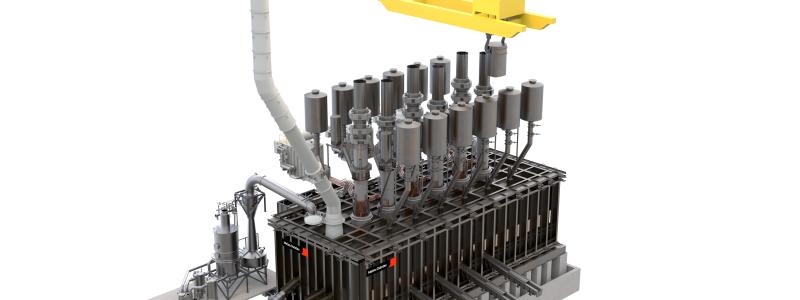
The direct reduction plant is intended to replace part of Thyssenkrupp’s conventional blast furnace production. Instead of using coke, iron ore will be reduced with gas. Hydrogen can gradually replace natural gas as sufficient supplies become available.
Source: Hydrogen Insight, based on information from Thyssenkrupp.