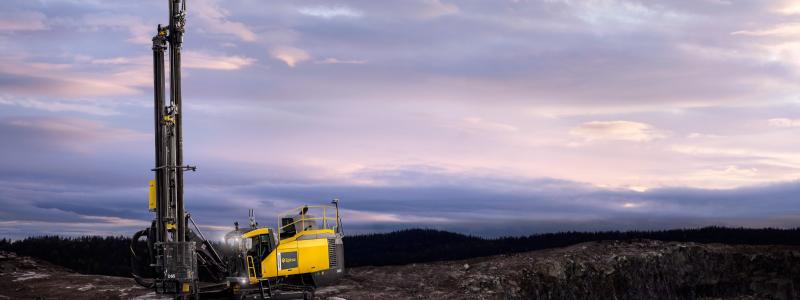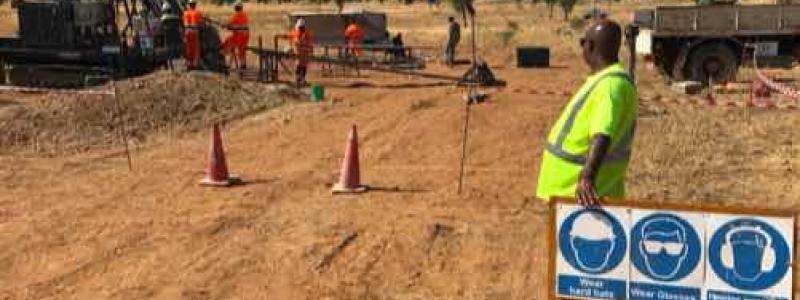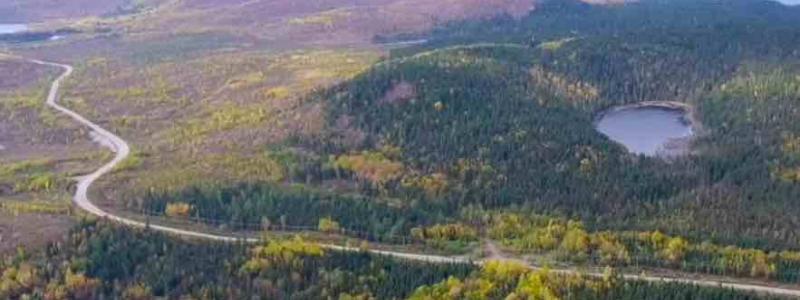


Parbo Resources Limited announces that it has discovered previously unrecognised greenstone in maiden Reverse Circulation (RC) drilling at the GoldenEye prospect, within its 100%-owned Mount Padbury Gold Project, approximately 90km northwest of Meekatharra in Western Australia.
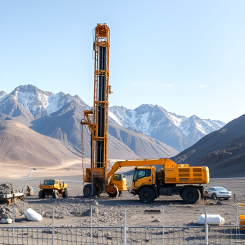
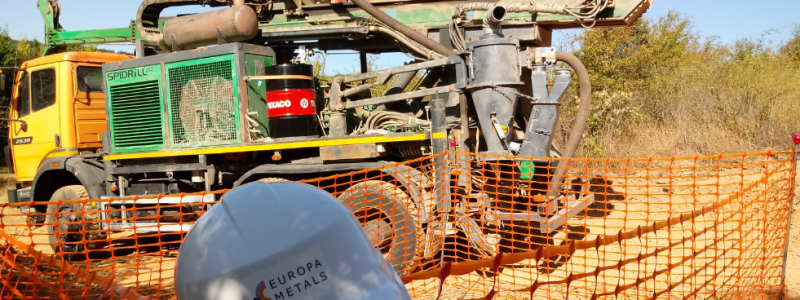
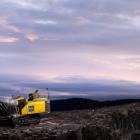
The company's first RC holes at GoldenEye rilled through a thin overthrust granite sheet into greenstone rocks from just 44m depth.
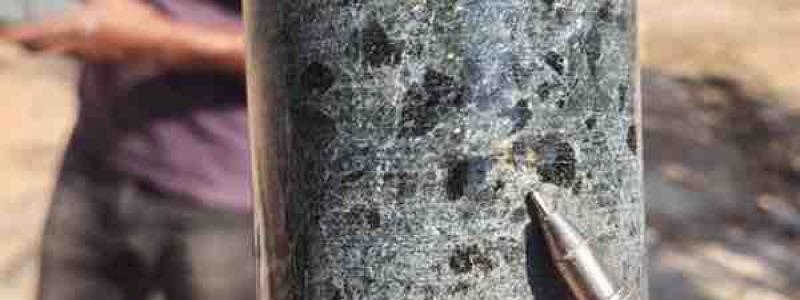
Greenstone belts host the majority of Western Australia's gold. The result confirms the company's model that the greenstones hosting the Plutonic Gold Mine continue south-west, concealed beneath granite, along the Plutonic structure into the Mount Padbury Project area.
Parbo Resources Chief Executive Officer Tim Campbell commented: “Our first hole at GoldenEye has achieved a significant company breakthrough, intersecting greenstone beneath 44m of granite and, encouragingly, it appears to be the same type of greenstone that hosts the Plutonic deposit, which sits on the same structure. Matching the gravity anomaly with the greenstone makes this a district-scale result. It also gives us confidence in the rest of our gravity model, which has defined approximately 60km of comparable, untested targets along the Plutonic structure. Parbo holds that corridor and we plan to rapidly drill first holes into the best targets.
“At Goldfinger, the first hole has intersected sulphide-bearing breccia where north-west crossstructures intersect the Plutonic structure, with visual analysis indicating the right alteration and sulphide textures we look for in a gold system. The assays will tell us whether gold is present.”