


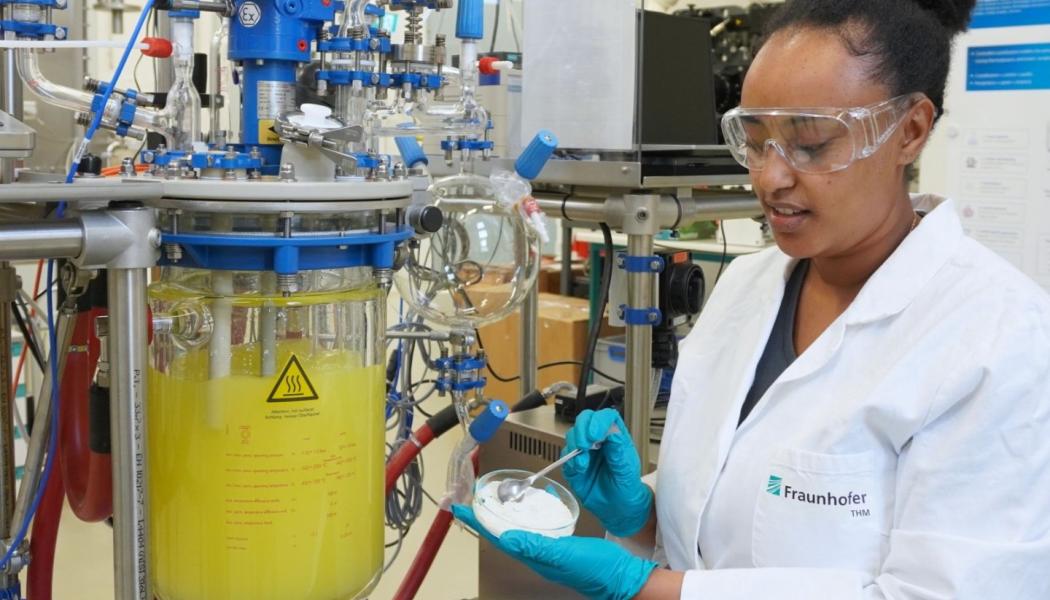
Magnets from discarded computers could supply raw materials for the chemical, pharmaceutical and fertiliser industries. Through the EU-funded NEO-CYCLE project, German researchers are developing two recycling methods that could help reduce reliance on imported resources.
The work involves the Fraunhofer Institute for Ceramic Technologies and Systems IKTS and partners including TU Bergakademie Freiberg. According to Fraunhofer, around 90 per cent of supplies of materials such as neodymium come from China.
Neodymium belongs to the rare earth elements, a group of chemical elements used in many technologies. Combined with iron and boron, it forms powerful permanent magnets, which retain their magnetism without an electricity supply.
These magnets are used in electric vehicles, wind turbines, loudspeakers and hard drives. Growing demand is increasing the importance of recovering their materials.
High purity requirements pose a challenge
Recycled neodymium must meet very high purity standards before it can be used in new magnets. Achieving this at an acceptable cost remains difficult.
According to Fraunhofer, magnet recycling is therefore limited in Europe. Collected material is often sent to China for processing, while European industry subsequently imports raw materials from there.
NEO-CYCLE is investigating how materials from old hard drive magnets can be recovered and refined for new applications. This is known as upcycling: turning waste into products or raw materials with greater practical value.
Testing heat and electricity
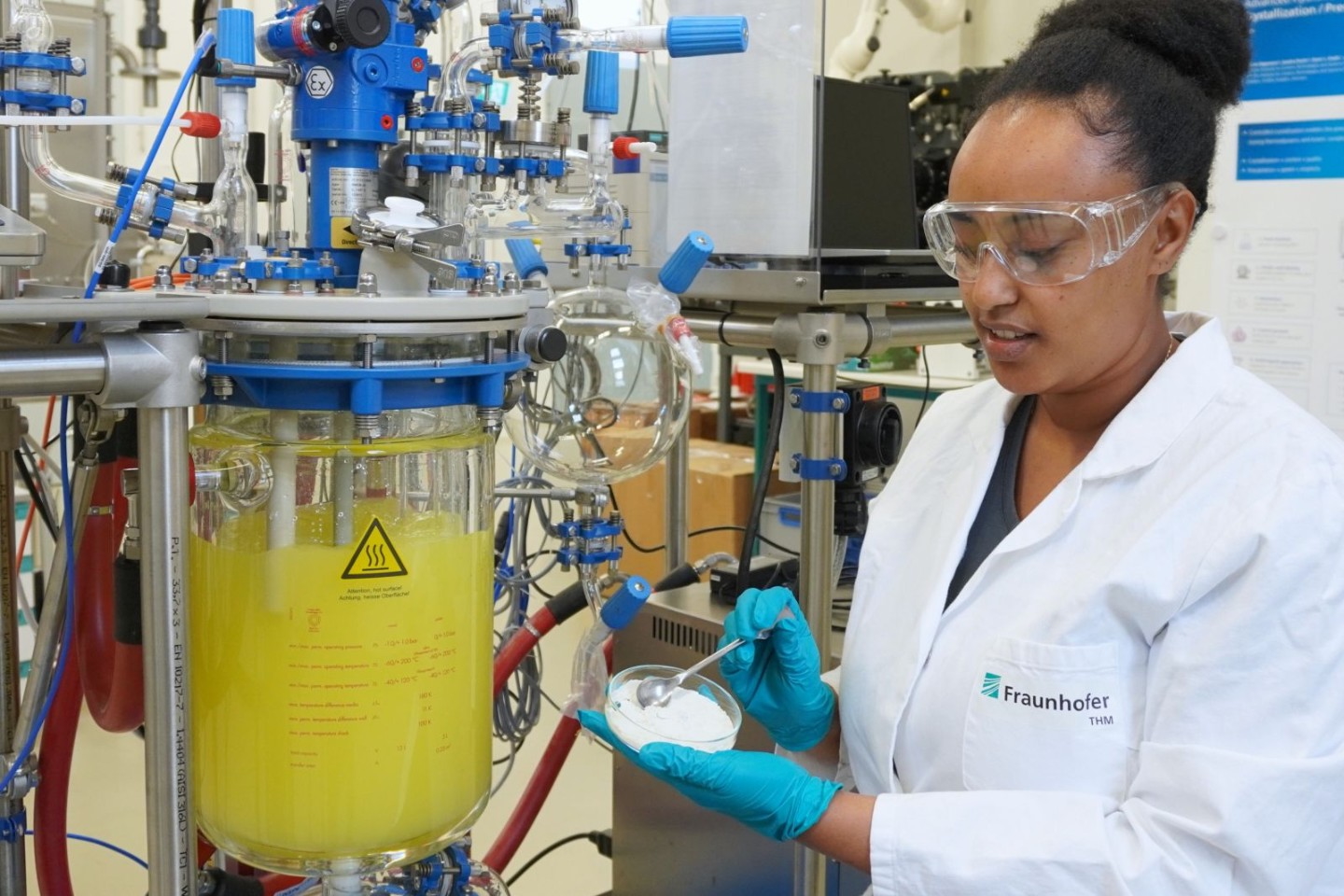
Researchers are comparing two methods. The first, called solid-state chlorination, involves treating magnet material with ammonium chloride, a salt, and heating it. The process produces metal chlorides — compounds of metals and chlorine — and an ammonia solution.
According to the researchers, trials indicate that almost all the metals can be extracted with relatively low chemical consumption. The patented method is already used to process material from fluorescent lamps and is now being tested on magnets.
The second method is electrochemical, meaning that electricity drives chemical reactions. Powdered magnet waste is treated in an electrolyte, a liquid that conducts electricity. Diluted sulphuric acid can serve this purpose.
A boron-containing solution is extracted first and then concentrated. Boron is a chemical element whose compounds have applications in the chemical industry.
Pilot plant planned
The products from both methods undergo further separation and purification. Researchers use hydrometallurgy, which involves extracting and separating metals using water-based solutions.
Neodymium and iron are separated, allowing pure metal salts to be produced. Project partners will further process the recovered materials for applications in the chemical, pharmaceutical, hydrogen and fertiliser industries.
The aim is to recover as much material as possible while minimising waste. NEO-CYCLE runs for four years with funding from the EU’s Horizon Europe research programme. A pilot plant is planned to test the processes at a larger scale.
Source: Fraunhofer, research release dated 2 November 2026.