



Industrial metal prices are moving in different directions as global supply conditions change. Copper is expected to remain expensive because of constrained production and uncertainty surrounding US import tariffs. Aluminium, meanwhile, has largely lost the price premium previously associated with supply risks in the Middle East. The contrasting developments are reflected in revised commodity forecasts from Standard Chartered.
The bank's latest assessment was presented during LME Week, the annual gathering of the metals industry in London, and reported by Oilprice.com on 21 October 2026.
According to Standard Chartered's commodity analysts, metal prices are being influenced by global economic conditions, Chinese industrial activity, US monetary policy and movements in the dollar.
Disruptions at mines and smelters are also playing an important role in determining supply and prices.
Copper supported by supply constraints
Standard Chartered has raised its average copper price forecast to USD 13,674 per tonne for 2026 and USD 13,210 for 2027.
Copper prices have increased by approximately 16 per cent since the beginning of the year.
One important factor is uncertainty over possible US import tariffs on refined copper.
This has encouraged substantial quantities of copper to be stored in the United States, contributing to a redistribution of inventories between international markets.
Stocks at the US commodities exchange Comex have reached a record 790,400 tonnes.
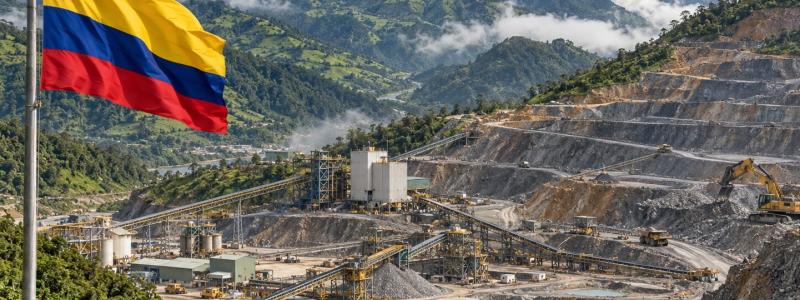
At the same time, copper mine production in Chile has weakened considerably.
In August, Chilean output declined by 12.8 per cent compared with the same month in 2025.
Standard Chartered expects the country's total copper production to fall by slightly more than five per cent in 2026 before recovering in 2027.
Continued supply disruptions, combined with expectations of growing demand from electrification and AI-related infrastructure, could help maintain elevated copper prices.
Aluminium faces pressure from expanding output
The outlook for aluminium is different.
Standard Chartered has lowered its average aluminium price forecast to USD 3,249 per tonne for 2026 and USD 3,001 for 2027.
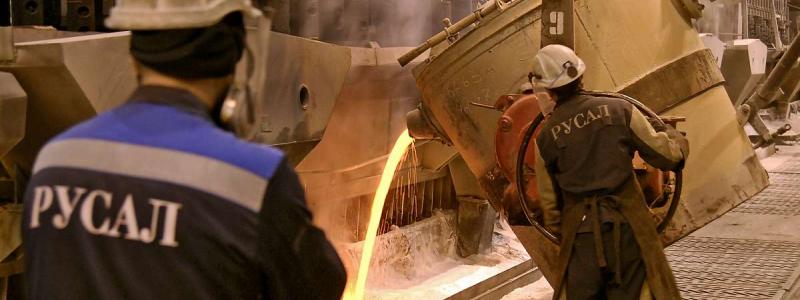
The downward revision reflects improving supply prospects, particularly increased production in China and Indonesia and the restart of several European smelters.
The price premium associated with supply disruptions in the Middle East has largely disappeared.
On 14 and 15 October, aluminium prices closed below USD 3,000 per tonne for the first time in 2026.
During the first eight months of the year, output totalled 31.1 million tonnes, representing an increase of 3.9 per cent compared with the corresponding period in 2025.
Higher production has helped ease earlier concerns about shortages.
However, transport disruptions around the Strait of Hormuz continue to create uncertainty for aluminium shipments from the Persian Gulf.
Freight costs and logistical difficulties therefore remain potential risks to supply.
Zinc strengthens while nickel weakens
Standard Chartered has also revised its zinc forecasts upwards.
The bank now expects average zinc prices of USD 3,555 per tonne in 2026 and USD 3,476 in 2027.
Limited availability of zinc concentrates and production disruptions at smelters are expected to support prices.
Although exchange inventories have increased, the market remains sensitive to further supply interruptions.
Nickel faces a weaker outlook.
Standard Chartered forecasts average prices of USD 17,055 per tonne in 2026 and USD 16,563 in 2027.
Nickel prices fell to approximately USD 15,221 per tonne in mid-October, their lowest closing level of the year.
The decline reflects rising inventories, subdued demand from stainless steel and battery manufacturers, and expectations of additional production capacity.
Indonesia's nickel mining policies are expected to be particularly important for future market developments.
Changes to the country's mining quotas for 2027 could significantly influence global supply and price expectations.
Overall, Standard Chartered's forecasts point to an increasingly divided industrial metals market.
Copper and zinc are benefiting from supply constraints, while aluminium and nickel are facing pressure from expanding production and weaker demand conditions.
The outlook highlights how individual supply chains, rather than a single global economic trend, are increasingly shaping the price movements of major industrial metals.
Sources: Oilprice.com, Alex Kimani, 21 October 2026; Standard Chartered commodity price forecasts as reported by Oilprice.com; Fastmarkets, 14 October 2026.